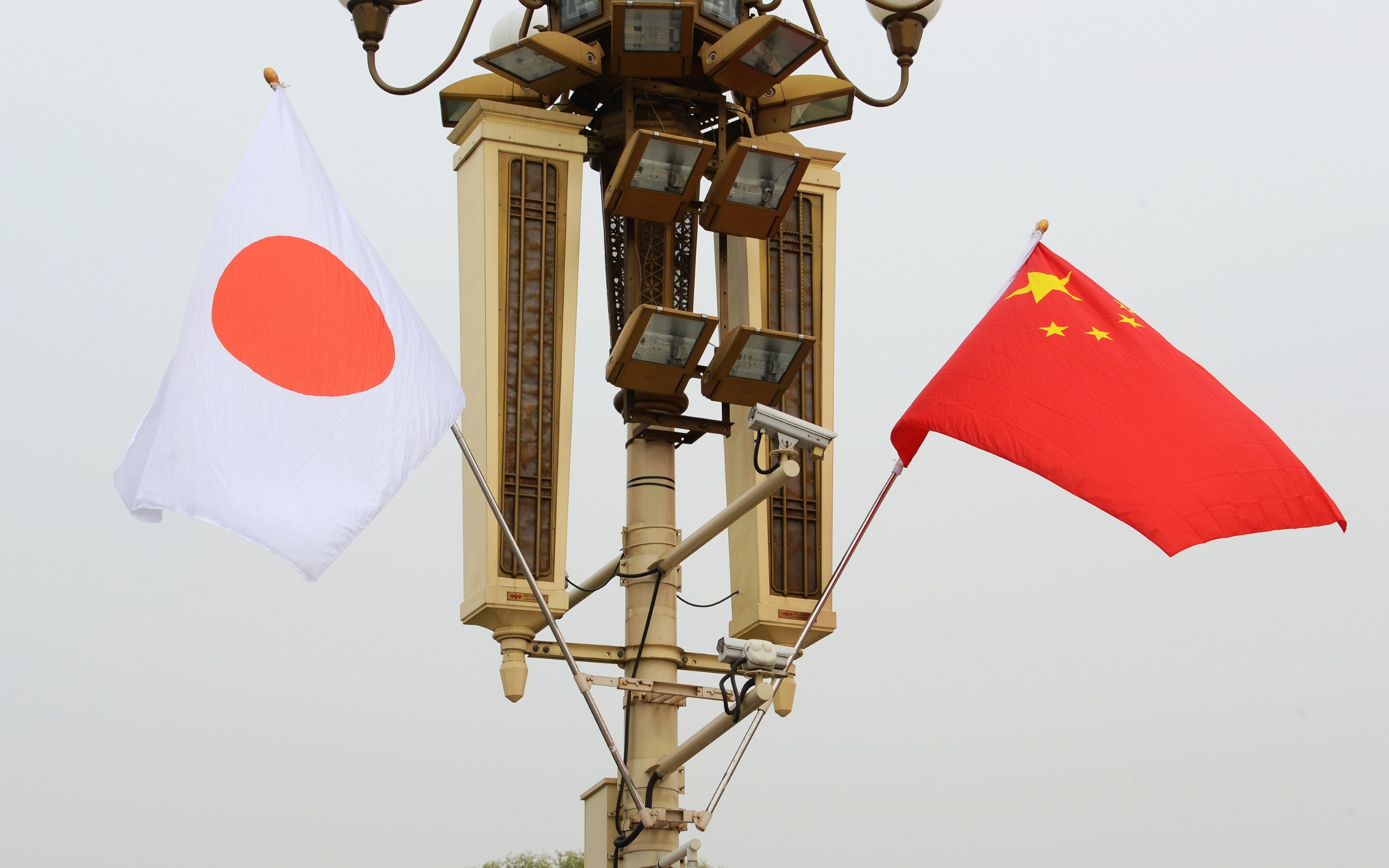
Japanese Prime Minister Sanae Takaichi’s landslide victory in Sunday’s election signals strong popular support for counterbalancing China’s ambitions in East Asia and may offer a lesson for other democracies in dealing with China. Takaichi now has strong backing for her more critical stance toward China – something Beijing does not want to see after rebuking her for remarks last year against escalation vis-à-vis Taiwan. In fact, with a two-thirds “supermajority” in parliament, Takaichi could even venture a change in Japan’s pacifist constitution, allowing it to deploy its military with fewer restrictions.
In November, Takaichi told parliament that if China were to attack Taiwan militarily, it could trigger a Japanese response involving military actions. But Beijing’s imposition of tourism and export restrictions along with diplomatic tensions appear to have backfired, agitating Japanese voters to cast their ballots for Takaichi’s Liberal Democratic Party whose coalition nearly collapsed in October. Beijing must now decide whether and when to de-escalate with Tokyo. Commenting on the election, a Chinese Foreign Ministry spokesperson said that “China’s policy toward Japan will not change because of any single election in Japan.”
Takaichi’s party won 316 of the 465 seats, the largest result since the founding of the LDP after World War II. The ruling coalition raised its total to 352 seats from 232 before the election, securing the two-thirds supermajority required to initiate amendments to the constitution. This could allow Japan to enhance its military posture to counter China’s growing assertiveness in the region, particularly regarding a heightened threat to Taiwan.
Takaichi’s remarks in a parliamentary debate came in response to a question on whether such a military threat would constitute an “existential crisis situation” under Japanese law – one that could justify collective self-defense. For Japan, a country highly dependent on maritime trade and sea-lane security, a Chinese blockade of the Taiwan Strait would pose a serious threat to national survival, even if China did not attack Japan directly.
Takaichi’s victory is likely to keep her in office for the long term and make a major shift in her position politically difficult. Now Beijing must decide whether to sustain confrontation and keep Sino-Japanese relations frozen for years or deescalate without appearing to back down. A more militarily self-reliant Japan would be a significant strategic burden for China. It would further change the regional balance toward the US and reduce Japan’s self-restraint, enabling a more capable Japan to counter China’s activities along the First Island Chain.
Unlike a recalibration of relations with China, as many of Takaichi’s Western counterparts are seeking to hedge against US retrenchment and the “America First” agenda, her policy of strength could be a model for responding to coercive measures from Beijing.
“Even amid deep economic interdependence, maintaining a firm stance from a position of strength is necessary to safeguard strategic autonomy and avoid being overpowered by a stronger actor that does not share the same views.”
Claus Soong, Analyst, MERICS
Media coverage and sources:



Comments (0)