


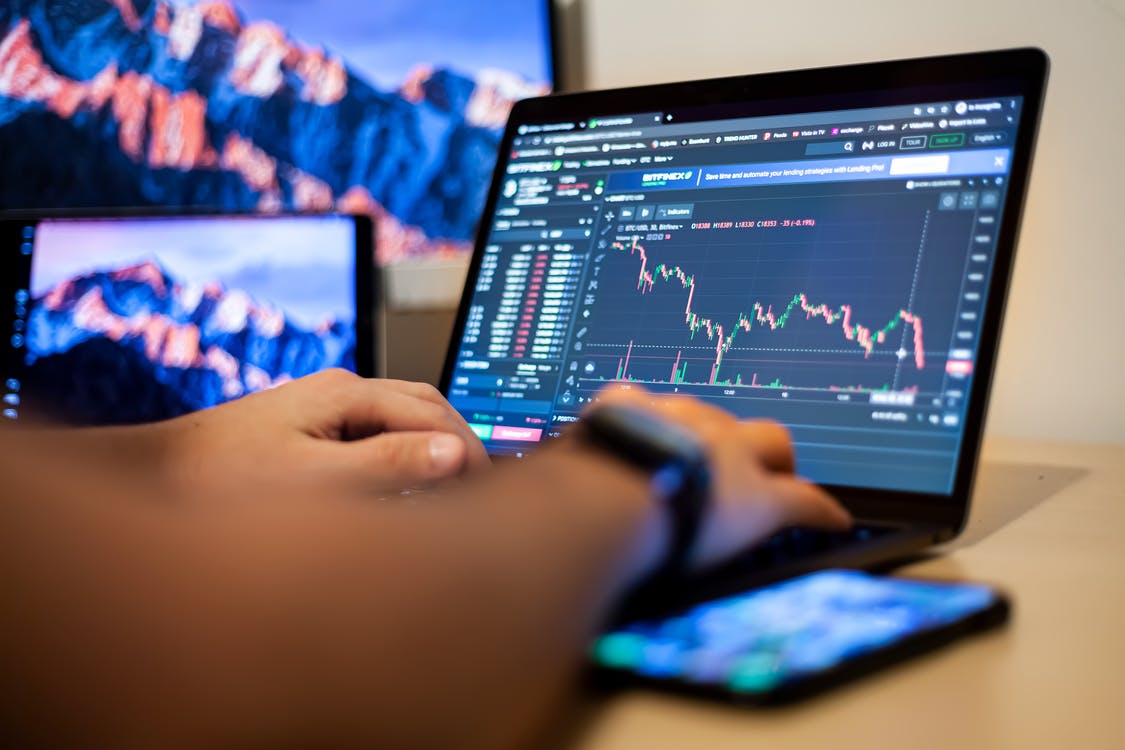
Most traders don’t talk about this. It’s not when you enter a trade, and it’s not when you exit. It’s the time in between, when nothing is happening and you’re just watching the chart, unsure if you should do something or simply wait.
For many traders in Indonesia, this is where Forex trading starts to feel uncomfortable. Not because the market is difficult, but because waiting doesn’t feel like progress.
Patience is not just about waiting to enter
Most people think patience means waiting for a setup. They tell themselves to be disciplined, to wait for the right moment, and not to rush into trades.
That’s part of it, but it’s not the full picture.
There are many moments where a setup is almost there but not quite clear yet. Acting too early feels tempting, especially when it looks like the move has already started, but waiting a little longer often changes how the situation unfolds.
This part of patience is easy to overlook, because it happens quietly and doesn’t feel active.
Acting less often doesn’t mean missing out
At first, stepping back can feel like you’re letting opportunities pass. You see price move without you, and it creates a sense that you should have done something.
But over time, traders begin to notice something different.
Not every move leads to a clear outcome, and not every opportunity needs to be taken. In Forex trading, avoiding unclear situations is just as important as recognising clear ones.
That shift in perspective usually takes time, especially for traders in Indonesia who are still building their sense of what matters.
Patience continues after you enter a trade
Waiting doesn’t stop once you are in a position.There is another kind of patience that comes after entry, and it often feels more difficult. You watch price move slightly against you or hesitate, and the urge to react becomes stronger.
Closing too early, adjusting decisions, or doubting the setup are all common reactions.
But with more experience in Forex trading, you begin to see that not every small movement requires action. Some trades need time to develop, and reacting too quickly can change the outcome.
It also shows up when nothing is happening
Some of the hardest moments are the quiet ones.The chart is moving, but nothing stands out. You keep watching, hoping something will form, but it doesn’t. That stillness can feel frustrating, especially when you’re used to being active.
Patience in these moments is not about forcing yourself to wait. It’s about recognising that not every period offers something meaningful.
For traders in Indonesia, this becomes easier only after seeing how often forced decisions lead to unnecessary trades.
Emotional pressure often disguises impatience
Impatience doesn’t always feel obvious.
Sometimes it shows up as a subtle feeling that you should be doing something. It might feel like you are falling behind, or missing out, or not making enough progress.
Those thoughts can quietly push you into decisions that don’t have a clear basis.
With time, you begin to recognise that feeling for what it is. In Forex trading, learning to pause in those moments becomes part of developing patience.
Patience is built through experience, not effort
At the beginning, patience feels like something you have to force.
You remind yourself to wait, to be disciplined, to avoid rushing. But that kind of effort doesn’t always last, especially when the market feels active.
Over time, patience starts to develop naturally.
You’ve seen what happens when you rush. You’ve experienced the difference between clear and unclear situations. That experience shapes your decisions without you having to think about it as much.
For traders in Indonesia, this shift is gradual and often goes unnoticed at first.
It changes how you see the market
As patience develops, the market begins to feel different.
You are no longer reacting to every movement. You are observing more, waiting for things to make sense before getting involved.
That doesn’t mean you avoid trading, it just means you approach it differently.
With Forex trading, patience doesn’t remove uncertainty, but it makes it easier to manage.
Why this part of patience is often missed
Most discussions about patience focus on discipline or self control.
But the part that is often missed is how it shapes your perception. It changes what you notice, what you ignore, and how you interpret movement.
Comments (0)