


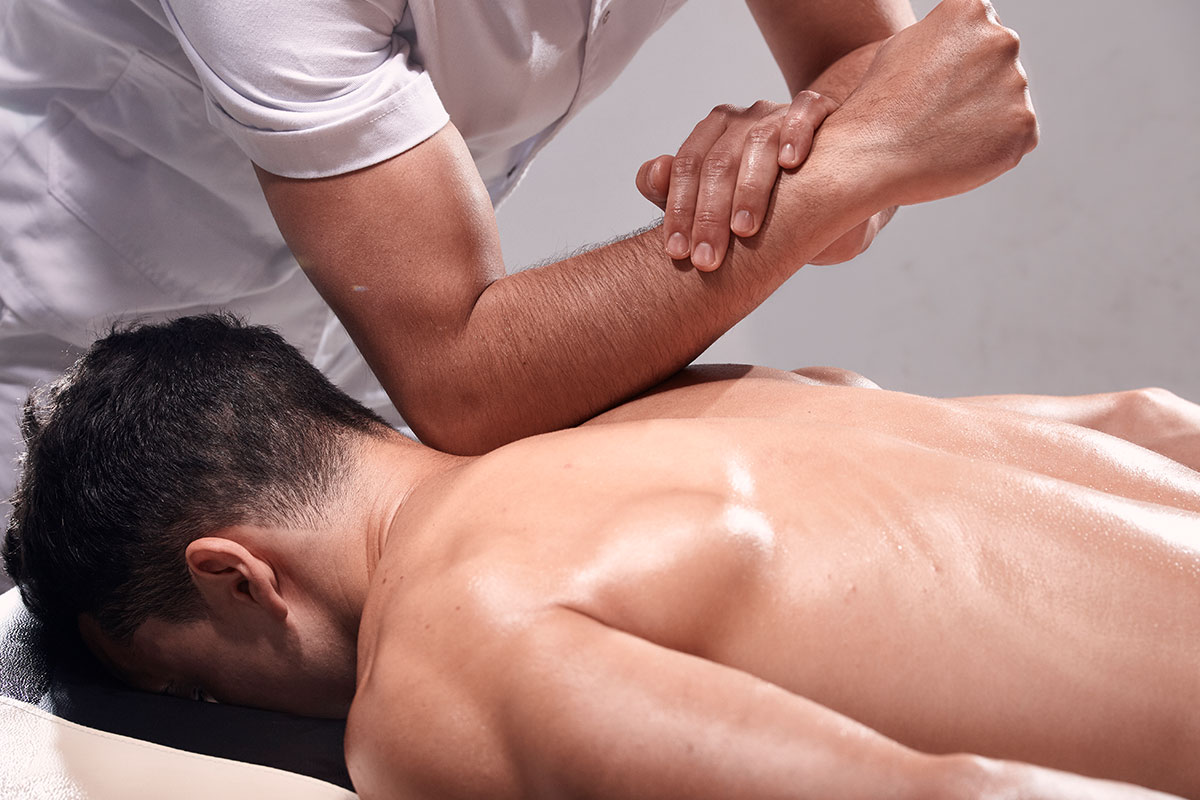
Hands-on therapy plays an important role in improving physical comfort, reducing muscle tension, and supporting overall body function. Many people rely on manual treatment techniques to manage stiffness, stress, and limited mobility caused by daily routines or physical strain. One widely recognized method is Deep tissue massage, which targets deeper muscle layers to release chronic tightness and improve circulation. Different therapy approaches are designed to address specific physical needs, ranging from relaxation to rehabilitation. This article explores common types of hands-on therapy methods and explains how each approach supports physical wellness.
Hands-On Therapy Methods
Hands-on therapy includes physical treatment techniques performed by trained professionals using their hands to manipulate muscles, soft tissues, and joints. The main goal is to improve movement, reduce pain, and restore natural balance in the body. These methods are widely used in rehabilitation clinics, wellness centers, and sports recovery environments. Each technique varies in pressure, depth, and purpose depending on individual needs. Some approaches focus on relaxation and stress relief, while others address chronic pain, injuries, or restricted mobility. Understanding how these methods work helps individuals select the right treatment for their condition. Proper application of hands-on therapy supports long-term physical stability and improved daily functioning.
Common Hands-On Therapy Techniques
Hands-on therapy includes multiple techniques that serve different physical purposes. Each method is designed to target specific muscle or joint issues for better overall body function.
- Swedish Massage
Swedish massage uses long, flowing strokes with light to medium pressure. It supports relaxation, improves circulation, and reduces general muscle tension. - Deep Tissue Techniques
Deep tissue work focuses on deeper muscle layers. It helps release chronic tightness, improves flexibility, and supports recovery from long-term strain. - Trigger Point Therapy
This method targets tight muscle knots that can cause pain in other parts of the body. Pressure is applied to release these points and reduce discomfort. - Myofascial Release
Myofascial release works on connective tissues that may become tight or restricted. It helps improve mobility and reduces stiffness in affected areas. - Sports Massage
Sports massage supports athletes and active individuals by improving recovery time, preventing injuries, and maintaining muscle performance. - Joint Mobilization
This technique uses controlled movements to improve joint flexibility and reduce stiffness. It is often used in rehabilitation programs.
Each method offers unique benefits depending on physical condition and wellness goals. Some techniques work best for relaxation, while others focus on injury recovery or chronic pain management. A skilled therapist may combine multiple approaches to achieve balanced results tailored to the client’s needs.
How Hands-On Therapy Supports Physical Health
Hands-on therapy supports physical health by improving circulation, reducing muscle stiffness, and promoting better joint movement. Increased blood flow helps deliver oxygen and nutrients to tissues, which supports healing and reduces soreness. These therapies also help release built-up tension caused by long working hours, poor posture, or repetitive movement. Many individuals notice improved flexibility and reduced discomfort after regular sessions. In addition, therapy techniques may support posture correction by addressing muscle imbalances. Relaxation effects also contribute to reduced stress and improved sleep quality. Over time, consistent treatment can improve body alignment, reduce fatigue, and support smoother movement in daily activities, making physical tasks easier and more comfortable.
Who Can Benefit From Hands-On Therapy?
Hands-on therapy benefits a wide range of individuals with different physical conditions. Office workers often use it to relieve neck, shoulder, and back tension caused by long sitting hours. Athletes rely on therapy to recover faster, improve muscle performance, and prevent injuries. Older adults may experience relief from joint stiffness and reduced mobility through regular sessions. Individuals recovering from injuries benefit from controlled techniques that support safe movement restoration. People dealing with stress-related muscle tightness also find noticeable improvement. Since therapy methods can be adjusted in pressure and technique, it remains suitable for different age groups, fitness levels, and physical conditions.
Choosing the Right Therapy Approach
Selecting the right hands-on therapy method depends on physical needs, pain levels, and personal wellness goals. Lighter techniques such as Swedish massage suit individuals seeking relaxation and stress relief. Deeper methods like trigger point therapy or deep tissue work are more effective for chronic pain or muscle stiffness. A trained therapist evaluates body condition, medical history, and lifestyle factors before recommending a treatment plan. This ensures safe and effective results tailored to each individual. Consistency also plays an important role in achieving long-term improvement. A properly chosen approach supports better mobility, reduced discomfort, and improved physical balance over time.
Conclusion
Hands-on therapy provides a wide range of techniques designed to improve physical comfort, mobility, and overall wellness. Each method serves a specific purpose, from relaxation to deep muscle treatment and recovery support. Understanding these options helps individuals choose the right therapy based on their body’s needs. Regular sessions contribute to reduced tension, improved posture, and better movement in daily life. With the right approach and consistent care, hands-on therapy becomes an effective part of maintaining long-term physical health and stability.
Comments (0)