


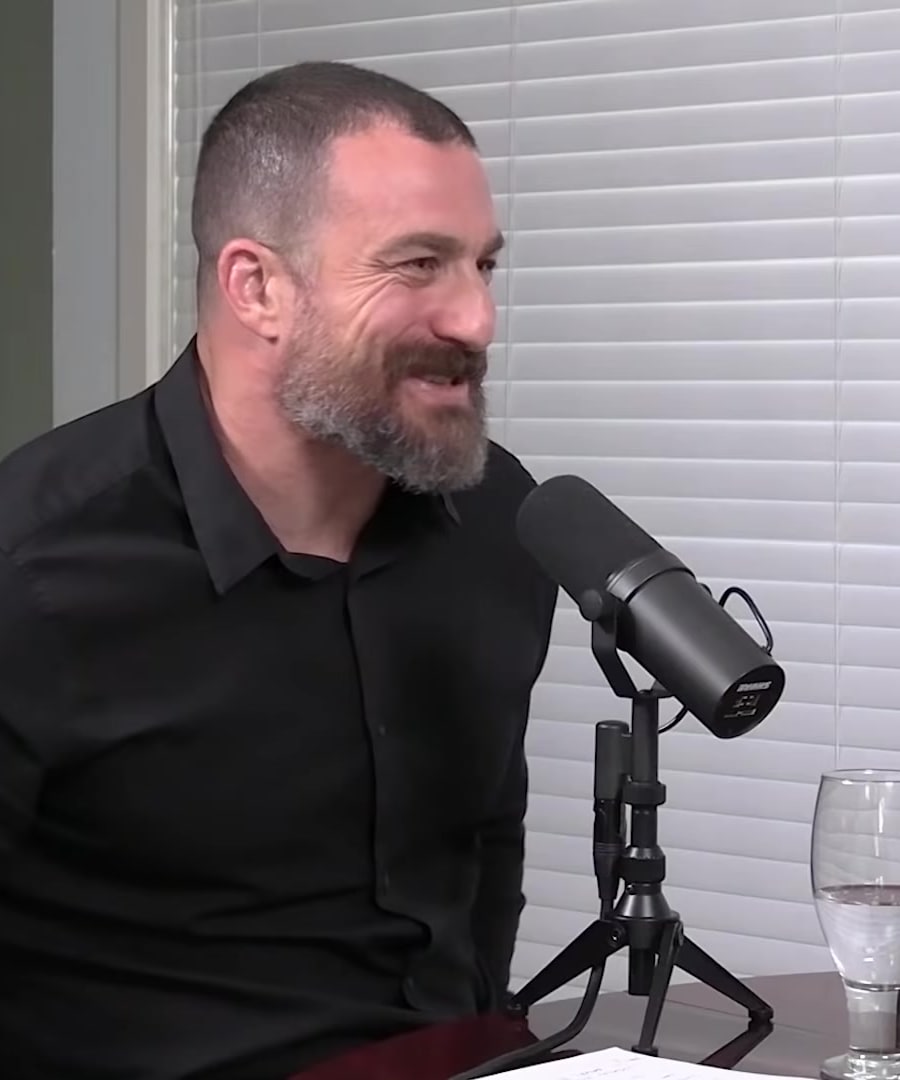
If you’ve ever dipped a toe into the world of neuroscience podcasts, you’ve almost certainly heard of Andrew Huberman’s show. The Huberman Lab has become a cultural phenomenon, not because it dumbs down complex topics, but because it translates hard science into daily protocols that actually work. With over ten million listeners per episode, the show covers everything from sleep and focus to addiction and emotional resilience. But with more than one hundred episodes now available, it can feel overwhelming to know where to start. Below, we’ll decode five of the most impactful episodes, pulling out the core lessons you can apply today without spending hours listening. Think of this as your curated backstage pass to the most actionable neuroscience on the internet.
Mastering Sleep: The Toolkit for Restorative Rest
One of the most downloaded episodes focuses on sleep, and for good reason—Huberman argues that sleep is the foundation upon which all mental and physical performance is built. In this episode, he breaks down the concept of sleep pressure, which is the biological drive to sleep that builds up the longer you stay awake. The key insight is that you can control sleep pressure by managing your exposure to light, temperature, and even your breathing patterns. For example, viewing morning sunlight within thirty minutes of waking sets a timer in your brain that makes you sleepy about fourteen to sixteen hours later. Evening bright light, especially from screens, resets that timer backward. Huberman also introduces the concept of temperature minimum, a point in your sleep cycle where your body temperature is at its lowest. Aligning your sleep schedule around this natural rhythm can eliminate morning grogginess and improve memory consolidation by nearly forty percent.

Focus Toolkit: Tools to Sharpen Concentration
Another fan favorite episode gives listeners a literal toolkit for focus, one that doesn’t rely on stimulants or sheer willpower. Huberman explains that focus is not a single state but a cycle that lasts about ninety minutes, followed by a mandatory rest period. Pushing past this natural boundary leads to diminishing returns and mental fatigue. The episode introduces the concept of “limbic friction,” which is the resistance you feel when starting a difficult mental task. To reduce limbic friction, Huberman suggests using a five-minute “focus warm-up” where you perform a low-stakes version of your task—writing one sentence, reading one paragraph, solving one simple equation. This primes your neural circuits without triggering the avoidance response. He also discusses the role of visual focus, showing that narrowing your gaze to a small point for sixty seconds triggers the release of norepinephrine, the brain’s natural focusing chemical. Listeners report that combining these tools has allowed them to work for hours without checking their phones or falling into distraction loops.
Optimizing Testosterone and Estrogen for Drive
Perhaps one of the most surprising episodes for general audiences covers the hormones testosterone and estrogen, which Huberman argues are crucial for both men and women when it comes to motivation and cognitive performance. The episode decodes how behaviors like winning, competing, and even simply adopting a “power pose” for two minutes can temporarily increase testosterone, which in turn enhances confidence and risk-taking in learning. For estrogen, Huberman explains its role in verbal memory and social cognition, noting that women perform differently on certain tasks depending on where they are in their menstrual cycle. The actionable takeaway is that you can naturally optimize these hormones through sleep, resistance training, and avoiding chronic stress. He also debunks common myths, such as the idea that cold showers lower testosterone (they actually raise it slightly) and that soy consumption feminizes the brain (it doesn’t). This episode is a masterclass in understanding that your daily behavior directly shapes your hormonal landscape, which then shapes your mental performance.
The Science of Emotions: Interoception Explained
In one of his more introspective episodes, Andrew Huberman dives into the science of emotions, centering everything on a little-known sense called interoception. This is your brain’s ability to sense what’s happening inside your body—your heartbeat, your breathing rate, your gut feelings. Huberman argues that emotions are not just abstract feelings but are literally your brain’s interpretation of these internal bodily signals. For example, anxiety is often just an elevated heart rate combined with a specific thought pattern. By training your interoceptive awareness, you can learn to separate the physical sensation from the emotional interpretation. The episode offers a simple protocol: lie down, place a hand on your chest, and try to feel your heartbeat without taking your pulse. Doing this for ten minutes daily for two weeks significantly improves your ability to regulate emotional responses. Many listeners have used this technique to reduce panic attacks, handle criticism at work, and even improve their performance in high-pressure situations like public speaking.
Neuroplasticity: The 5-Hour Per Week Rule
Returning to the topic of neuroplasticity, one episode stands out for its sheer practicality. Huberman breaks down the research showing that significant neural change requires a minimum of five hours of focused practice per week on a single skill. Less than that, and your brain doesn’t perceive the need to rewire. More than that without rest, and you risk burnout and injury. The episode introduces the concept of “random intermittent reinforcement,” where you deliberately vary your practice schedule and rewards to keep your dopamine system engaged. For example, if you’re learning guitar, don’t practice at the same time every day for the same duration. Instead, practice for twenty minutes one day, fifty the next, then skip a day, then practice for thirty-five. This unpredictability tricks your brain into treating each session as novel, which boosts the release of brain-derived neurotrophic factor. Huberman also emphasizes the importance of errors during practice, explaining that making mistakes triggers a specific neural signal that tells your brain to strengthen the correct pathway. Without errors, there’s no signal to change.
Dopamine Detox: The Hidden Episode on Motivation
Finally, a sleeper hit among dedicated listeners is the episode titled simply “Dopamine and Motivation,” which many have called a quiet masterpiece. Unlike the flashy cold exposure and focus tools, this episode focuses on what Huberman calls “dopamine regulation” rather than “dopamine hacking.” The core message is that modern life constantly spikes your dopamine with social media, processed foods, video games, and pornography. Each spike is followed by a crash below baseline, which leaves you feeling unmotivated and numb to everyday pleasures. The solution is not to eliminate all rewards but to practice what Huberman calls “dopamine scheduling.” This means clustering your high-dopamine activities into specific windows—say, thirty minutes after work—and keeping the rest of your day relatively low in artificial stimulation. He also introduces the concept of “cold exposure for the reward system,” where you deliberately delay a reward by five minutes when you feel the urge to check your phone or eat a sweet. This small act of friction retrains your brain to tolerate the anticipation of reward, which paradoxically increases your baseline motivation over time. Listeners who have followed this protocol for two weeks often report that they enjoy their work more, feel less irritable, and no longer feel controlled by their devices.
Comments (0)