


A dog’s ability to move freely shapes its entire lifestyle. From playful runs in the park to simple walks around the neighborhood, movement brings joy and mental stimulation. When mobility declines, dogs often lose more than just physical strength; they also lose confidence and enthusiasm. Many pet owners begin exploring options like a joint supplement for dogs when they notice these changes. Supporting mobility early helps maintain not only physical health but also emotional well-being, creating a happier life for your furry companion.
Joint Issues in Dogs Explained?
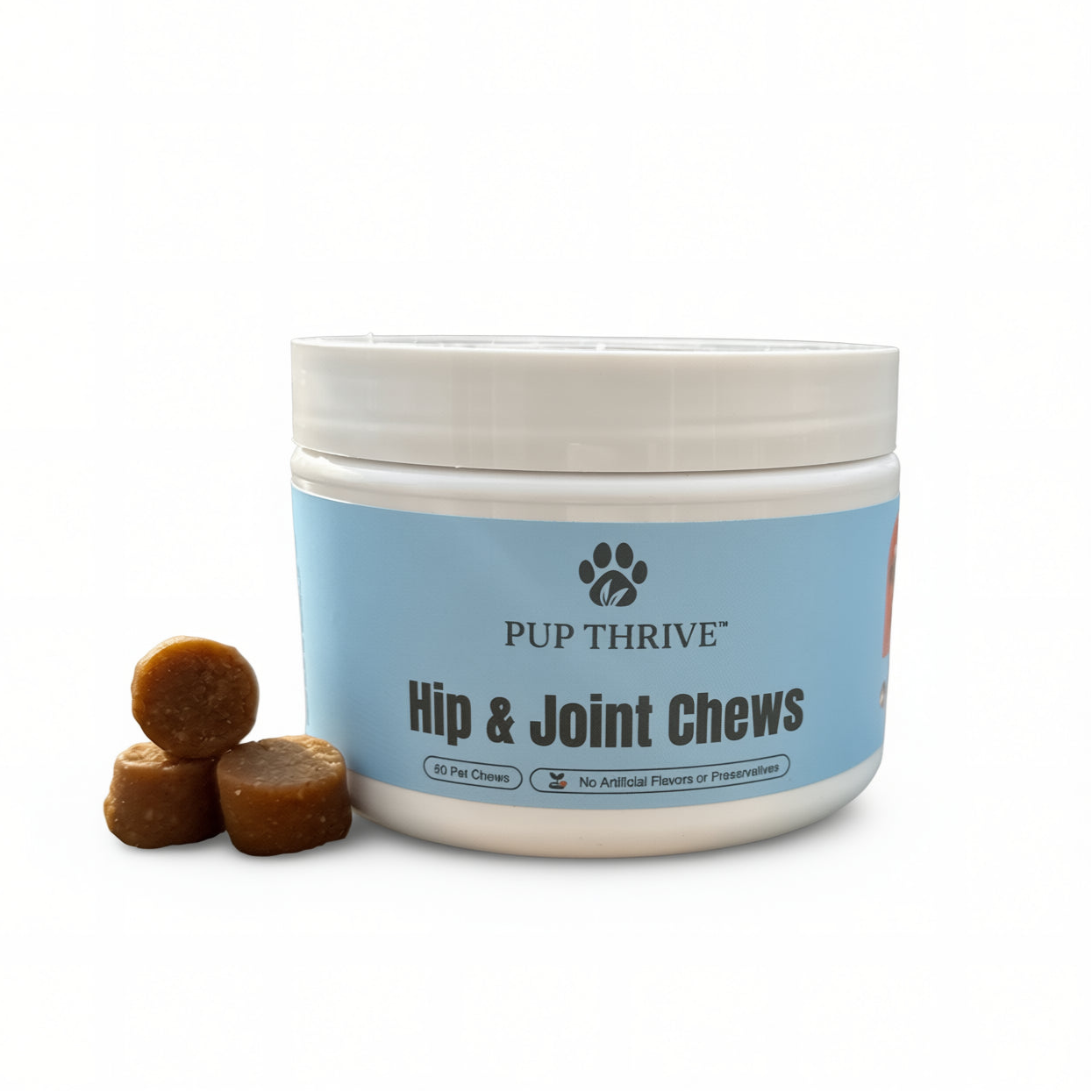
Most times, sore joints come from more than one thing going on. Old age matters a lot, yet other things mix in too. Some dogs inherit weak joints because of their bloodline, whereas carrying extra pounds pushes harder on those spots that are already shaky. A past knock or constant motion over years adds up slow, making damage stick around longer. Little by little, cartilage wears away, leaving joints less protected. As this happens, more pet parents begin including a joint supplement in their dog’s daily meals - just to help keep movement smoother and ease any stiffness.
Early Warning Signals That Matter
It might slip by unnoticed, but dogs show pain through quiet signs. Before leaping, they sometimes pause - just briefly - or take longer to get up once lying down. Playtime loses its spark for some, while others tilt their bodies oddly when standing. Stairs become something avoided, step by step. Spotting those small shifts early opens room to act, quietly and steadily. At this point, certain caregivers begin adding a joint-support blend into meals, aiming to keep steps smoother and limbs freer.
Joint Support Enhances Everyday Activities
Most folks think joint help just eases pain. Yet it lifts how dogs live every day - moving easier, lasting longer. Because joints work right, pups take longer strolls, bounce around more, notice what’s nearby. Often, those supplements pack stuff that keeps cartilage strong while calming swelling, so normal moments feel smoother. Stick with it, toss in a daily joint boost, some old spark comes back like it never left.
The Role of Diet in Joint Health
Food shapes how well your joints work every day. Not just fuel, it delivers what bones and muscles need to stay strong. Instead of ignoring fats, some types calm swelling inside the body. Vitamins jump in too, boosting durability where movement happens. Even snacks slip into the picture, doing more than most expect. Surprisingly few realize how freeze dried treats keep most of what a dog’s body actually uses from real food. Taste stays strong, even when cooking isn’t involved. A small switch like this feeds better fuel into daily routines - no loud flavors needed, just quiet satisfaction from something closer to nature.
Quality Over Quantity Why Treatment Depth Counts
Most folks overlook snacks. Yet these bits shape how your dog feels each day. Good ones fuel their body instead of weighing them down. Crunchy bites made with care taste rich yet pack real food benefits. Look for those snapped fresh - frozen fast keeps every bit alive. What you toss matters more than expected. Most pups go crazy for these snacks, so they work well when teaching new tricks or saying thanks. A surprise here and there keeps tails wagging while helping hips and knees stay strong. Freeze dried bits slip easily into daily meals without messing up balanced nutrition.
Putting Together an Even Workout Plan
Most days, movement keeps joints working well - though going too hard brings stress. On the flip side, hardly moving at all invites tightness and loss of strength. Walking each day, along with soft games, builds muscle nearby, which holds things steady. Water time, if possible, eases pressure while bringing fun for plenty of pets. Feeding right foods, plus snacks like freeze-dried bites, wraps it up into lasting care.
Prevention Works Better Than Treatment
Most times, waiting for clear signs of pain means healing takes longer. Before any trouble appears, looking after joint well-being matters most. Weight that stays within a normal range eases pressure on bones and movement parts, whereas visits to the vet every so often catch concerns before they grow. Meals balanced just right, activity done consistently, along with extra support when needed - these slow down joint wear. Adding a daily supplement aimed at joints may quietly shift outcomes in their favor across months.
Creating a daily routine that lasts
Every day counts when it comes to keeping joints healthy. A steady pattern of good food, movement, and added nutrients gives dogs what they need without gaps. Tiny choices - like better snacks or daily walks - build strength slowly. Life works smoother for dogs when things happen the same way each time. As years pass, that rhythm keeps them moving with ease.
Conclusion
Start smart when it comes to your dog's joints - small moves add up fast. Spotting changes early gives you time to respond before problems grow deep. Instead of waiting, feed meals rich in what matters, keep movement part of each day. Try adding a vet-approved formula made just for joint care - it might make daily walks easier. Toss in wholesome snacks, stick to steady habits. Watch how those pieces link together: better days on paws begin long before trouble shows its face.
FAQs
1. How early should I consider joint support for my dog?
Starting early works better when symptoms haven’t shown up yet - particularly true for dog breeds likely to develop joint trouble or those that move around a lot. A quiet beginning often hides what comes later, so timing shifts ahead of visible signs makes sense.
2. Freeze-dried snacks okay every day? Maybe, depends on your pet.
True, if offered in small amounts plus prepared with good ingredients, these treats may support your pet’s daily nutrition.
3. Can exercise alone maintain joint health?
Working out moves things forward, yet gains grow stronger alongside good food plus consistent recovery habits. A balanced approach lifts performance higher than effort alone ever could.
4. How long does it take to notice improvements?
A handful of dogs start getting better after just several weeks, yet some need more time - their progress tied closely to how severe things are plus how steady the treatment stays.
Comments (0)