


Every once in a while, a product comes along that quietly changes expectations. You do not notice the revolution happening until you look back and realize that nothing is the same. OKAY SOCKS has sparked that kind of shift in the world of custom socks. Before them, getting personalized socks meant choosing between quality and sustainability. You could have soft, durable socks made from questionable materials, or you could have eco-friendly socks that felt scratchy and fell apart. That false choice is over. OKAY SOCKS proved that bamboo could deliver both luxury and responsibility, and that custom printing could happen without toxic chemicals or plastic waste. What started as a niche idea has become a movement, with customers from all walks of life demanding socks that feel good on their feet and light on the planet. This is the story of that revolution, and why it matters for anyone who wears socks, which is to say, everyone.
Breaking the Synthetic Sock Addiction
For decades, the sock industry ran on petroleum. Nylon, polyester, acrylic, and spandex all come from crude oil, and they dominate the market because they are cheap to produce and easy to manufacture. The problem is that these materials never go away. They shed microplastics into every wash, persist in landfills for centuries, and rely on fossil fuels from extraction to disposal. OKAY SOCKS broke this cycle by proving that bamboo could match or exceed the performance of synthetics. Bamboo wicks moisture better than polyester. It breathes more than nylon. It stretches without losing shape. And unlike synthetics, it comes from a renewable plant that grows without pesticides. The revolution began when customers realized they did not have to choose between performance and planet. They could have both. That realization spread quickly, and today, more people than ever are asking why their socks need to be made from plastic at all.
From Greenwashing to Genuine Transparency
The eco-friendly market is full of claims that sound good but mean nothing. OKAY SOCKS refused to play that game. Instead of vague promises about being "green," they opened their factory doors, published their material sources, and explained their manufacturing process in plain language. You can read exactly where their bamboo comes from, how their closed-loop water system works, and what happens to their socks at the end of their life. This transparency was radical when they started, and it remains rare today. Other brands talk about sustainability. OKAY SOCKS shows their work. The revolution they sparked is not just about bamboo socks. It is about demanding that companies back up their claims with evidence. Customers have caught on. They ask harder questions now. They look for certifications, supply chain details, and third-party testing. OKAY SOCKS welcomed this scrutiny because they knew they would pass the test. The brands that could not, the ones hiding behind vague marketing, have been left behind.
Customization Without Environmental Compromise
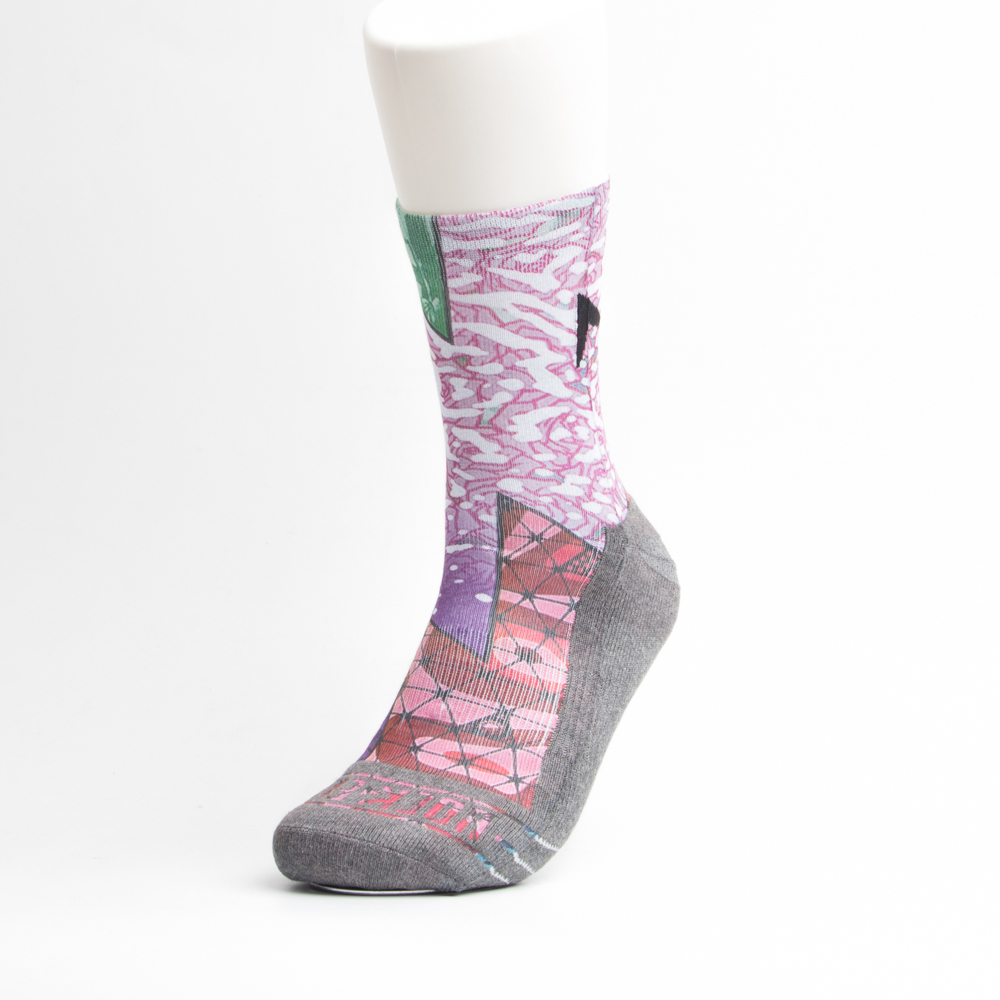
Personalized products have an environmental reputation problem. The assumption is that anything custom must involve extra waste, extra chemicals, and extra shipping. OKAY SOCKS turned that assumption on its head. Their sublimation printing process uses water-based inks and no plastic-based screens or stencils. A custom order uses the same amount of water and energy as a non-custom order because the printing happens digitally. There are no toxic runoff, no disposable screens, no chemical cleaners. The bamboo base remains the same sustainable material whether it carries a solid color or a complex design. This means you can express yourself through your socks without feeling guilty about the environmental cost. The revolution here is the idea that personalization and sustainability are not opposites. They can coexist, and OKAY SOCKS proved it. Today, customers expect customization without compromise, and the brands that cannot deliver are losing relevance.
The Ripple Effect on Other Apparel Categories
What started with socks is spreading. OKAY SOCKS showed that bamboo could work for a high-performance, customizable garment, and other companies have taken notice. Today, you can find bamboo underwear, bamboo T-shirts, bamboo bedsheets, and bamboo towels, all following the path that OKAY SOCKS helped pioneer. The revolution is not just about one product category. It is about changing how people think about everyday clothing. If socks can be sustainable and comfortable, why not everything else? The bamboo supply chain has grown more robust because of this demand. Processing technology has improved. Prices have come down. What was once a niche eco-material is becoming mainstream. OKAY SOCKS does not claim sole credit for this shift, but they were early believers, and their success helped prove that the market was ready. The revolution continues as more consumers refuse to accept the old tradeoffs between sustainability and quality.
Empowering Small Businesses and Individuals
The eco-friendly revolution is not just about materials. It is also about who gets to participate. Before OKAY SOCKS, custom socks were mostly available to large corporations that could afford huge minimum orders. A small business, a school club, or an individual could not justify ordering ten thousand pairs. OKAY SOCKS lowered the barriers with low minimums and accessible pricing. Now, a yoga studio can order custom bamboo socks for its instructors. A family can order matching socks for a reunion. A nonprofit can create branded socks for a fundraising campaign. The revolution democratized customization. It took a tool that was reserved for the few and put it in the hands of the many. And because the socks are eco-friendly custom socks, these smaller customers do not have to choose between their budget and their values. They can do good and save money at the same time. That combination is powerful, and it is driving the continued growth of the movement.
What the Future Holds for Sustainable Socks
The revolution is far from over. OKAY SOCKS continues to innovate, exploring new bamboo blends, improved dyeing techniques, and even more efficient manufacturing processes. They are researching fully home-compostable packaging, closed-loop recycling for worn-out socks, and carbon-neutral shipping options. Competitors are following their lead, which benefits everyone. More sustainable options mean lower prices, better quality, and greater availability. The future likely includes socks made from bamboo grown on degraded land that restores soil health, dyes derived from plant waste instead of petrochemicals, and production facilities powered entirely by renewable energy. These advances will happen because OKAY SOCKS and companies like them proved that customers care. Every pair of custom bamboo socks purchased is a vote for this future. The revolution started with a simple idea, that socks could be better, and it has grown into a movement that is changing how we think about everything we wear. The best part is that you can be part of it, one comfortable, sustainable, customized step at a time.
Comments (0)