


Chemical Peels in Dubai are often discussed as a structured approach to skin renewal where carefully selected solutions interact with the skin’s surface to encourage a fresher and more refined appearance. This process is widely appreciated for its ability to support skin clarity, smoothness, and overall radiance without relying on complicated routines. The way Chemical peels in Dubai function is based on controlled exfoliation, allowing the skin to naturally shed older layers and reveal healthier-looking skin beneath. Many people are drawn to this method because it focuses on improving skin texture from within its natural renewal cycle rather than masking imperfections on the surface. By working with the skin’s own regenerative abilities, chemical peels offer a gradual transformation that feels both gentle and effective over time.
Understanding the Science Behind Chemical Peels
Chemical peels work by using specific formulations that interact with the outermost layers of the skin. These formulations help loosen the bonds between dead skin cells so they can be naturally removed. As the upper layer begins to shed, the skin underneath starts to appear more even and refreshed.
The skin naturally renews itself, but this process can slow down due to environmental factors, stress, and age. Chemical peels support this cycle by encouraging faster and more uniform cell turnover. This helps reduce dullness and brings out a healthier complexion.
The controlled nature of this process ensures that the skin is not aggressively stripped but instead gently guided through a renewal phase that enhances its natural glow.
How Chemical Peels Interact with Skin Layers
The skin is made up of multiple layers, each playing a role in protection and renewal. Chemical peels primarily work on the outer layer, where dead skin cells tend to accumulate and cause uneven texture.
Once applied, the solution begins to break down the surface buildup. This allows fresh skin cells to move upward more efficiently. In some cases, depending on the strength of the peel, the solution may reach slightly deeper layers to support more noticeable skin refinement.
This interaction helps improve skin clarity and can make the surface feel smoother and more balanced over time.
Types of Chemical Peels Used for Skin Renewal
Different types of chemical peels are designed to suit various skin needs and levels of concern. Each type works at a different depth, offering a range of outcomes.
Superficial peels focus on the outer layer of the skin. They gently refresh the surface and are often used for improving mild dullness and uneven tone.
Medium peels reach slightly deeper and are designed to address more visible texture concerns. They support smoother skin by encouraging more noticeable cell turnover.
Deep peels work at a more intensive level and are used for more significant skin transformation needs. They target deeper layers to support long-term improvements in skin appearance and texture.
Each type follows the same core principle of encouraging skin renewal, but they differ in intensity and depth of action.
Step-by-Step Skin Renewal Process
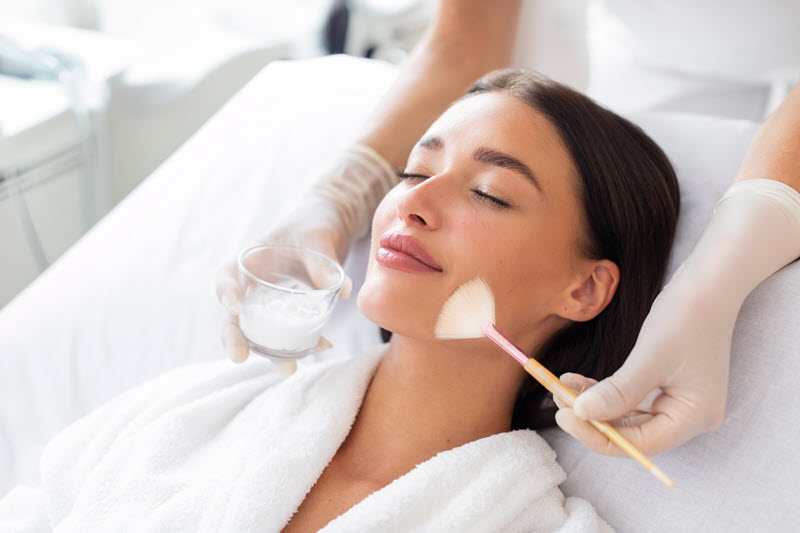
The process begins when the skin is prepared for the application of the peeling solution. This preparation ensures that the skin responds evenly and effectively.
Once applied, the solution begins interacting with the skin’s surface, loosening dead cells and initiating the exfoliation phase. During this stage, the skin may gradually start to feel smoother as the outer layer begins to renew itself.
After the solution completes its role, the skin enters a natural recovery and regeneration phase. New cells rise to the surface, replacing older ones and creating a more refreshed appearance.
Over time, this cycle supports improved skin texture, clearer tone, and a more vibrant look.
Visible Improvements People Notice
Many individuals notice gradual changes in their skin after undergoing chemical peel treatments. One of the most common improvements is a smoother skin texture that feels more refined to the touch.
The skin may also appear more even in tone, with reduced dullness and a healthier glow. Fine surface irregularities often become less noticeable as the skin renews itself.
With continued care and consistency, the skin can maintain a more radiant and balanced appearance that reflects its natural vitality.
Why Skin Responds Well to Chemical Peels
The skin responds positively to chemical peels because they align with its natural renewal process. Instead of forcing change, they enhance what the skin already does on its own.
By encouraging controlled exfoliation, the skin is able to shed outdated cells more efficiently. This helps reveal fresher layers that contribute to a more youthful and energized look.
The adaptability of the skin also allows it to adjust gradually, making the process feel natural and progressive rather than abrupt.
Frequently Asked Questions
What makes chemical peels effective for skin renewal
Chemical peels are effective because they support the skin’s natural exfoliation cycle, helping remove buildup and revealing fresher layers beneath the surface.
How does the skin benefit from repeated peel sessions
With consistent sessions, the skin continues to refine its texture, becoming smoother and more even over time as cell turnover remains active.
Are chemical peels suitable for different skin types
Yes, chemical peels are designed in various intensities, allowing them to be adapted to different skin conditions and needs.
How does the skin feel after the process
After the process, the skin often feels cleaner, softer, and more refreshed as new layers begin to take their place.
Final Thoughts on Skin Transformation
Chemical peels continue to be valued for their ability to enhance skin clarity through a scientifically guided renewal process. They work by supporting the skin’s natural shedding cycle and encouraging the emergence of healthier-looking layers. Over time, this leads to smoother texture, improved brightness, and a more balanced appearance that feels naturally restored. Chemical peels are often associated with this structured skin renewal approach, highlighting how effective controlled exfoliation can be in maintaining a refreshed complexion.
Conclusion
The way chemical peels function demonstrates how deeply connected skin health is to natural regeneration. By carefully encouraging the removal of surface buildup, these treatments allow the skin to renew itself in a structured and effective manner. The process remains grounded in simplicity, relying on the body’s own ability to restore balance and radiance. With continued understanding of how the skin responds, chemical peels remain a trusted approach for achieving a smoother, clearer, and more refined appearance that reflects long-term skin wellness.
Comments (0)