


The intersection of cuteness and technical precision in 3D modeling offers a unique playground for digital artists. When we think of "cute" in a digital context, it often refers to specific proportions—larger eyes, softer rounded edges, and expressive poses—that trigger an emotional response from the audience. However, achieving this look while maintaining a high level of detail requires a sophisticated understanding of mesh density and texture mapping. For designers looking to bridge the gap between realism and charm, the Tripo AI 3D model gallery serves as an excellent source of inspiration. Seeing how a simple feline silhouette can be transformed into a soulful character through careful "sculpting" of personality helps artists understand that detail isn't just about the number of polygons, but about how those polygons convey character.
The Aesthetic Appeal of Stylized Feline Characters
Stylization is a deliberate artistic choice that simplifies certain features while exaggerating others to create a specific "vibe." In the world of 3D cats, this often results in models that feel more like "characters" than mere biological specimens. Designers often draw inspiration from the concept of kawaii or Western animation styles, where the focus is on a sleek, clean finish and a vibrant color palette. These models are particularly inspiring because they challenge artists to communicate "cat-ness" with fewer visual cues. A successful stylized cat model uses smooth surfaces to catch light in a way that feels inviting and soft, making it a favorite for children's apps, casual mobile games, and whimsical advertising campaigns.
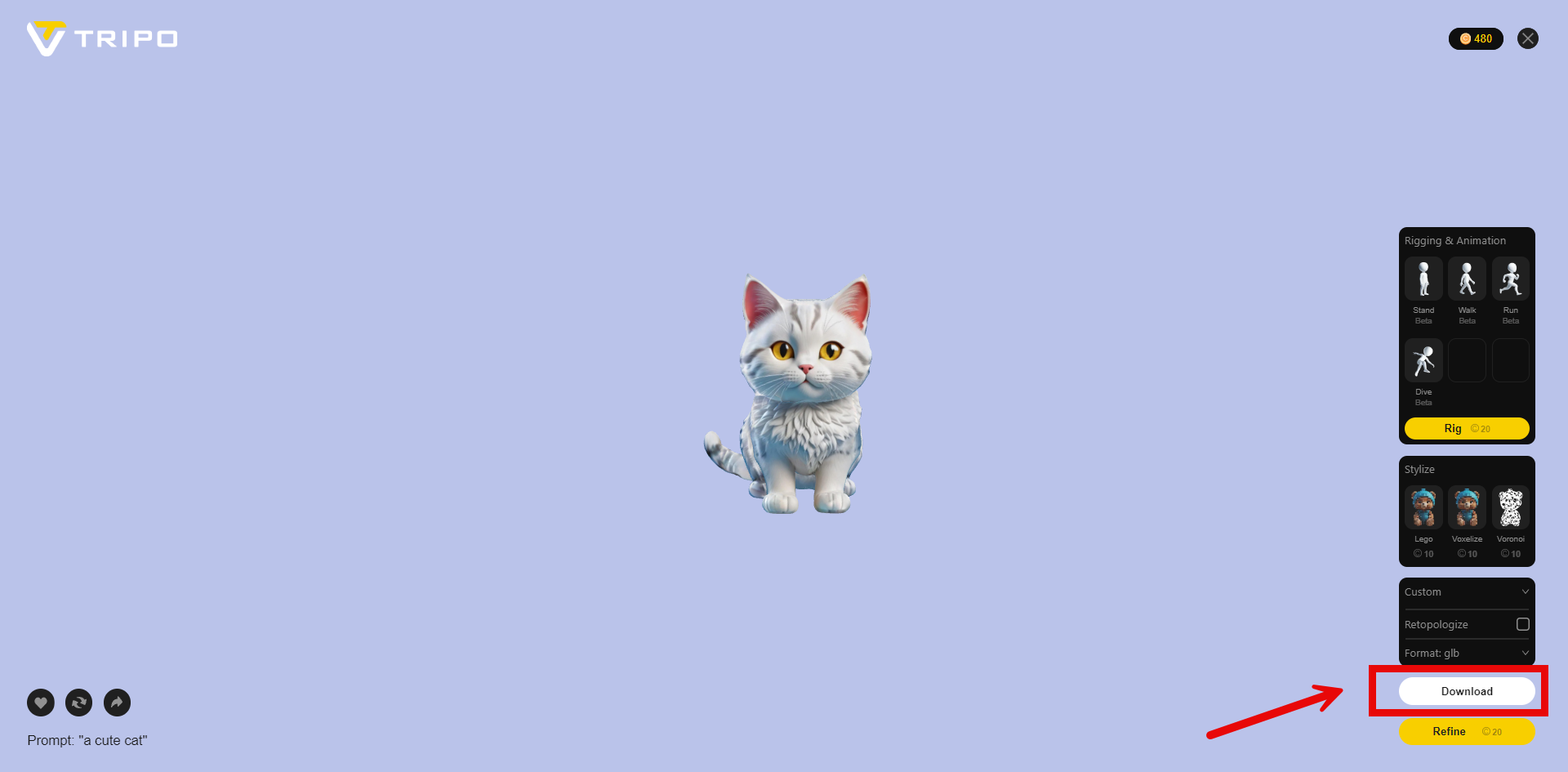
Capturing Personality Through Expressive Facial Rigs
What truly makes a 3D cat model "cute" is the ability to emote. Detailed facial rigging is a feat of engineering that allows a model to squint its eyes, twitch its nose, or pull back its ears in a playful manner. For artists, studying these rigs provides deep insight into how minor movements can drastically change a viewer's perception of a character. An inspired designer looks beyond the static mesh to see how the "blend shapes" allow for a purring expression or a curious head tilt. This level of detail is what turns a digital asset into a memorable protagonist, encouraging artists to experiment with their own rigs to create animals that feel sentient and reactive to their digital environments.
The Role of Fur Grooming in Enhancing Tactile Quality
Even in models designed to be "cute," the detail of the fur plays a massive role in the overall appeal. Modern 3D artists use "fur grooming" techniques to create a sense of softness that makes the viewer want to reach out and touch the screen. This involves carefully directing the flow of the hair particles around the face and paws to create a natural, "fluffy" look. Inspiration can be found in how top-tier models handle "clumping" and "frizz" to prevent the fur from looking like a solid, plastic block. By observing these details, designers can learn how to use particle systems to add a layer of warmth and approachability to their feline creations, making them much more appealing for interactive media.
Color Theory and Pattern Design in Feline Artistry
The coat of a cat is a natural canvas for exploring color theory. From the soft pastels of a dilute calico to the high-contrast stripes of a classic tabby, the patterns found in a 3D model gallery offer endless inspiration for texture artists. Designers can experiment with "procedural texturing," where mathematical algorithms create unique patterns that never repeat, or hand-painted textures for a more artisanal look. Understanding how colors interact across a curved 3D surface is a vital skill for any digital artist. Seeing a well-executed ginger tabby model can inspire an artist to explore how warm oranges and cream tones can be used to make a character feel friendly and energetic.
Incorporating Accessories for Storytelling and Charm
One of the easiest ways to add a layer of "cute" detail to a cat model is through the use of props and accessories. A small bell on a collar, a tiny hat, or even a piece of "bread" around a cat’s neck (a popular internet meme) can instantly provide a narrative for the character. These small additions require their own set of details, such as realistic leather textures for the collar or shiny metallic shaders for the bell. For artists, these accessories are a lesson in "secondary motion"—how an object should bounce and jingle in response to the cat’s movements. This level of environmental interaction adds a professional polish that elevates a simple animal model into a fully realized digital character.

Lighting Techniques to Highlight Softness and Form
Inspiration for designers often comes not just from the model itself, but from how it is presented. "Rim lighting" is a classic technique used to create a halo effect around a cat’s fur, highlighting its softness and separating it from a dark background. Artists can learn a lot by studying how different lighting setups interact with feline geometry. Using soft, diffused light can make a cat look gentle and domestic, while sharp, high-contrast lighting might make a "cute" cat look mischievous or mysterious. Mastering these lighting techniques allows artists to showcase the hard work they’ve put into the model’s details, ensuring that every whisker and fur tuft is visible to the audience.
From Reference to Render: The Creative Journey
Every detailed 3D cat begins with a strong reference. Artists often start by studying photos and videos of real cats to understand their unique quirks—the way their paws tuck under their chests or the specific "U" shape of their mouths. The journey from a blank digital canvas to a finished, high-detail render is a process of refinement. Inspiration can be found in the iterative nature of 3D art: starting with a rough "block-out" of the shapes, moving into high-resolution sculpting, and finally layering on textures and hair. For designers, the ultimate inspiration is seeing a final render that perfectly captures the "soul" of a cat, proving that with enough patience and attention to detail, digital art can be just as evocative as the real thing.
Comments (0)