


Let me be direct with you. Throwing money at your home does not automatically increase its value. I have watched neighbours install thousand-pound faucets and exotic stone countertops only to be disappointed when the appraiser barely blinked. The homeowners who succeed at building real value are not the ones who spend the most. They are the ones who spend the smartest. They understand that value comes from solving problems, improving function, and appealing to the widest possible pool of future buyers. In today's market, that means focusing on energy efficiency, low-maintenance materials, flexible spaces, and updates that make daily life easier. Whether you are planning to sell next year or simply want to build equity over time, these six smart strategies will help you upgrade wisely and increase your property's worth without wasting money on projects that do not pay back.
Start With Energy Efficiency for Immediate and Long-Term Returns
Energy efficiency is the gift that keeps on giving. It lowers your utility bills while you live in the home, and it becomes a powerful selling point when you leave. The smartest first step is a professional energy audit, which costs a couple hundred pounds but reveals exactly where your home is losing heat or wasting electricity. Based on that audit, prioritize attic insulation, which is relatively cheap and pays for itself in under two years through lower heating costs. Next, seal gaps and cracks around windows, doors, and where pipes enter the house. A few tubes of caulk and weatherstripping cost almost nothing but make a noticeable difference in drafts. Finally, upgrade to a smart thermostat. These devices learn your schedule, adjust temperatures automatically, and can be controlled from your phone. Buyers in today's market actively look for energy-efficient features because they understand that lower monthly bills mean more affordability. When you can hand a potential buyer a year's worth of utility bills showing consistent savings, you have created genuine value that an appraiser cannot ignore.
Refresh the Kitchen Without a Full Gut Renovation
The kitchen is often called the heart of the home for good reason. It is also one of the most expensive rooms to renovate. The smart approach is not a full gut job, which rarely recoups its full cost. Instead, focus on high-impact, lower-cost changes that make the kitchen feel current and well maintained. Start with cabinet hardware. New pulls and handles in a modern finish like matte black or brushed nickel cost under one hundred pounds but change the entire look. Next, consider painting the cabinet boxes rather than replacing them. A quality cabinet paint and a weekend of careful work can transform honey oak or tired white into something fresh. Replace an old backsplash with classic subway tile, which is affordable and timeless. Upgrade just the refrigerator and dishwasher to energy-efficient stainless steel models, leaving the stove and microwave if they work well. Finally, change out dated countertops for quartz or a solid surface material in a light, neutral color. These strategic updates typically cost between five and fifteen thousand pounds, far less than a full renovation, and they recover seventy to eighty percent of their value at resale. More importantly, they remove the "kitchen needs work" objection from a buyer's mind.
Transform Unused Space Into Functional Rooms
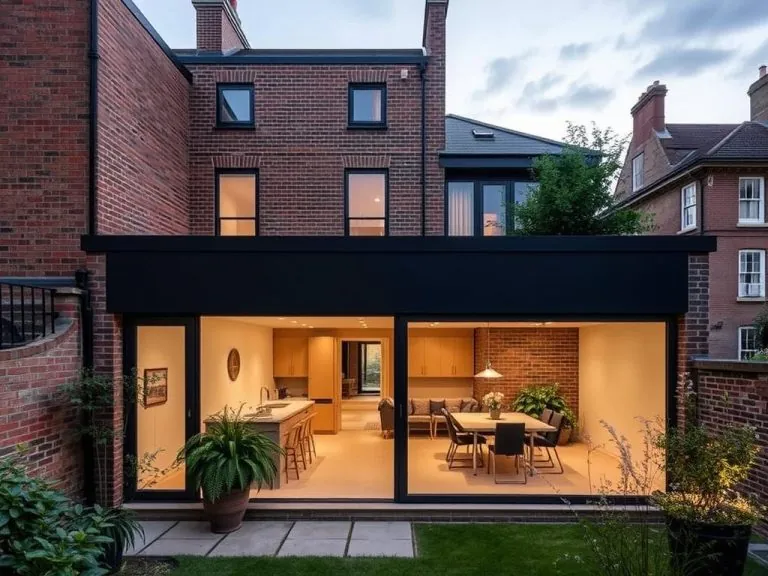
Every home has dead space. An unfinished basement. A cluttered attic. An oversized garage. An awkward landing at the top of the stairs. These areas are currently adding zero value to your home because buyers cannot imagine using them. The smart upgrade is converting dead space into functional, usable rooms. A basement can become a home office, gym, playroom, or media room. An attic can become a guest bedroom or a quiet reading nook. Even a large closet under the stairs can become a small desk area or a pet retreat. In today's world, where remote and hybrid work remain common, a dedicated home office is particularly valuable. For basement conversions, use light paint colors, recessed lighting, and luxury vinyl plank flooring to keep the space from feeling like a dungeon. Always add an egress window for safety and natural light, which is also a legal requirement for any bedroom. These projects typically cost between fifteen and thirty thousand pounds but can add ten to fifteen percent to your home's overall value because you are effectively adding square footage without the cost of a traditional extension.
Upgrade Bathrooms With a Focus on Light and Cleanliness
Dated bathrooms scream "this home needs work" louder than almost any other room. But a smart upgrade does not require ripping everything out. Focus on the elements that buyers notice first. Cleanliness, light, and fixtures. Start by reglazing the bathtub rather than replacing it, which saves thousands of pounds and makes an old tub look brand new. Replace a bulky, worn vanity with a sleek floating model that makes the room feel larger. Swap out an old toilet for a modern, low-flow version that uses significantly less water. Install bright, daylight-spectrum LED lighting around the mirror, which removes shadows and makes the space feel fresh and clinical. Add a fresh coat of moisture-resistant paint in a soft white or warm gray. If your budget allows, consider a simple glass shower door instead of an old curtain or a cracked sliding door. These updates typically cost between two and six thousand pounds and can recover over seventy percent of their value. The key is leaving the plumbing layout alone. Moving drains and supply lines destroys your return on investment quickly.
Boost Curb Appeal With Low-Maintenance Landscaping
First impressions are not just important. They are everything. A buyer or appraiser forms an opinion about your home within seconds of seeing it from the street. The smart ways to upgrade your home approach to curb appeal focuses on low-maintenance, high-impact changes that signal care without requiring constant work. Start with the front door. A fresh coat of paint in a bold but tasteful color like deep navy, forest green, or charcoal costs under fifty pounds but transforms the entire facade. Replace faded house numbers with modern, readable ones. Add a clean, simple doormat. Trim any bushes that block windows or hang over walkways. Power-wash the driveway, front walk, and any patios or decks. The difference is astonishing. Clean concrete looks new again. For landscaping, replace high-maintenance flower beds with native plants that thrive in your local climate with minimal watering. Add fresh mulch to all garden beds, which instantly makes planting areas look intentional and cared for. A few bags of quality mulch cost under fifty pounds. These small efforts take a weekend and a few hundred pounds but can add five to ten percent to your home's perceived value. Buyers will pay more for a home that looks loved from the curb.
Add Smart Technology That Buyers Actually Understand and Want
Not all smart home technology adds value. Some of it adds complexity and frustration. The smart approach focuses on a small suite of affordable, user-friendly devices that genuinely improve daily life and are easy for a new owner to take over. A video doorbell lets homeowners see who is knocking from anywhere in the world and deters package theft. Keyless smart locks mean no more fumbling for keys or hiding a spare under the mat, and they allow temporary codes for dog walkers or cleaners. A programmable smart thermostat learns your schedule, adjusts itself, and saves real money on heating and cooling. Smart leak detectors placed near water heaters, washing machines, and under sinks can prevent catastrophic water damage by sounding an alarm or sending a phone alert at the first sign of moisture. These devices are relatively inexpensive, often under two hundred pounds each, and can be installed in an afternoon with basic tools. Avoid overly complex systems that require proprietary hubs, professional programming, or monthly subscription fees. Buyers do not want to inherit someone else's tech headache. Stick with widely compatible products that work with standard voice assistants like Alexa or Google Home, and leave clear instructions for the new owner. The value here is not purely financial, though you will recoup most of your cost. The real value is making your home feel modern, safe, and move-in ready. In a competitive market, that feeling often translates into a faster sale and a better final offer, which is the definition of a smart upgrade.
Comments (0)