





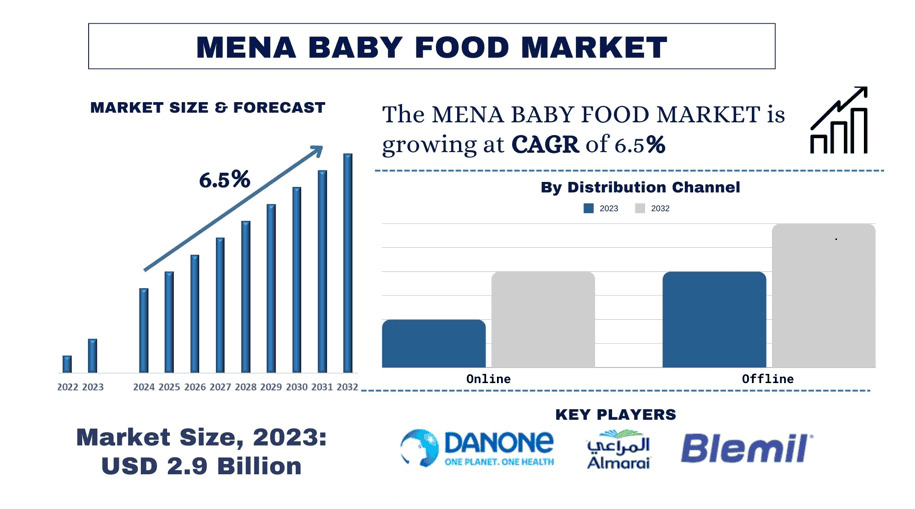
According to the UnivDatos, the growing awareness of organic food in the region will drive the scenario of Baby Food and as per their “Baby Food Market” report, the MENA market was valued at USD 2.9 billion in 2023, growing at a CAGR of 6.5% during the forecast period from 2024 - 2032.
In recent years, the MENA region has witnessed a remarkable shift in consumer preferences towards healthier and more sustainable choices, and this trend extends to the world of baby nutrition. Baby Food is emerging as a prominent trend in MENA countries, reflecting a growing demand for safer, more nutritious, and environmentally conscious options for the youngest members of society. In this article, we delve into the trending news surrounding Baby Food in MENA, exploring the factors driving its popularity and the exciting developments taking place in this dynamic industry.
Access sample report (including graphs, charts, and figures): https://univdatos.com/reports/mena-baby-food-market?popup=report-enquiry
The Baby Food market in MENA countries is also growing due to the increasing population and urbanization in the region. As the population grows, there is a greater demand for convenient and healthy food options for infants and young children. With the increasing urbanization, there is also a growing middle class in the region, which is driving demand for premium and organic products, including Baby Food. This growing middle class is willing to pay a premium for high-quality, healthy, and organic food options for their children, which is contributing to the growth of the Baby Food market in the MENA region
Market Sparks Ignited by Success Stories Companies like Spark Therapeutics and Bluebird Bio are spearheading this movement. Spark Therapeutics' Luxturna, a gene therapy designed for an inherited retinal disease, became a pioneer when it received FDA approval, marking it as the first gene therapy for a genetic disease in the U.S. Meanwhile, Bluebird Bio’s innovative therapies are promising to alleviate the suffering caused by genetic conditions like thalassemia and sickle cell disease. Venturing into a Genetic Future The healthcare market is acknowledging the profound potential these therapies have to offer. The acquisition of Spark Therapeutics by Roche for a hefty USD 4.3 billion, Astellas Pharma's USD 3 billion buyout of Audentes Therapeutics, and the billion-dollar partnership between Editas Medicine and Allergan (now part of AbbVie) underscore the faith investors have in the future of custom gene therapies.
The Rise of Baby Food in MENA
The MENA region has traditionally been celebrated for its rich culinary heritage, but the modern era has brought about a change in how parents approach feeding their infants. Baby Food, once a niche market, is now making its presence felt in the region. This rise in popularity can be attributed to several key factors.
· Parents across MENA countries are increasingly concerned about the safety of conventional baby food products. They are turning to organic alternatives, believing them to be free from harmful pesticides, chemicals, and genetically modified ingredients. Baby Food is perceived as a healthier and safer choice for their infants.
· Baby Food is often considered more nutritious. It is believed to contain higher levels of essential vitamins, minerals, and antioxidants, ensuring that infants receive the best possible start in life in terms of nutrition.
· Growing environmental consciousness is driving parents to seek out sustainable and eco-friendly products for their families. Baby Food aligns with this ethos as it is produced with an emphasis on environmentally responsible practices.
The trending news and developments in the world of Baby Food across MENA countries:
· Diverse Product Offerings: Baby Food brands are expanding their product lines to cater to various tastes and dietary needs. This includes a wider selection of pureed fruits and vegetables, organic infant cereals, and snacks with creative flavor combinations, making it easier for parents to introduce diverse foods to their infants.
· E-Commerce Boom: The digital revolution has transformed the way consumers shop for baby food. Online platforms and e-commerce sites have become increasingly popular channels for purchasing Baby Food products, offering convenience and a wide variety of choices to parents.
· Local Production: MENA countries are making strides in local Baby Food production. This not only supports regional economies but also ensures that products are tailored to local tastes and preferences, which can vary significantly across the region.
· Investment and Innovation: With the rising demand for Baby Food, the industry is witnessing increased investment and innovation. This includes research into new ingredients, improved packaging, and sustainable sourcing practices.
Click here to view the Report Description & TOC: https://univdatos.com/reports/mena-baby-food-market
Conclusion
Baby Food is experiencing a significant surge in popularity in MENA countries, driven by a combination of health-conscious parents, a desire for sustainability, and an increasing awareness of its benefits. The trending news surrounding Baby Food reflects a dynamic industry that is evolving to meet the demands and preferences of modern parents. As the industry continues to grow, consumers need to stay informed about the latest developments, certifications, and product offerings. Moreover, governments, organizations, and healthcare professionals play pivotal roles in supporting and promoting the Baby Food trend, ensuring that the youngest members of society receive the best nutrition and a healthier start in life.
Contact Us:
UnivDatos
Contact Number - +1 978 733 0253
Email - contact@univdatos.com
Website - www.univdatos.com
Linkedin- https://www.linkedin.com/company/univ-datos-market-insight/mycompany/
Comments (0)