





As interest in hemp-derived and botanical products continues to expand worldwide, CBD Powder has become a topic of curiosity for many consumers seeking to understand different cannabidiol formats. While cannabidiol is commonly discussed alongside oils, capsules, and topical products, powder-based formats are often explored for their versatility and refined composition. For readers researching this category, it’s essential to understand what this format entails, how it’s produced, and what indicators suggest quality, without relying on marketing language or unsupported claims.
At PA Botanicals, safety and transparency guide every step of our process. All products undergo rigorous laboratory testing and are subject to clearly documented manufacturing practices. This article is strictly informational and designed to help readers evaluate product quality responsibly.
What Is CBD Powder?
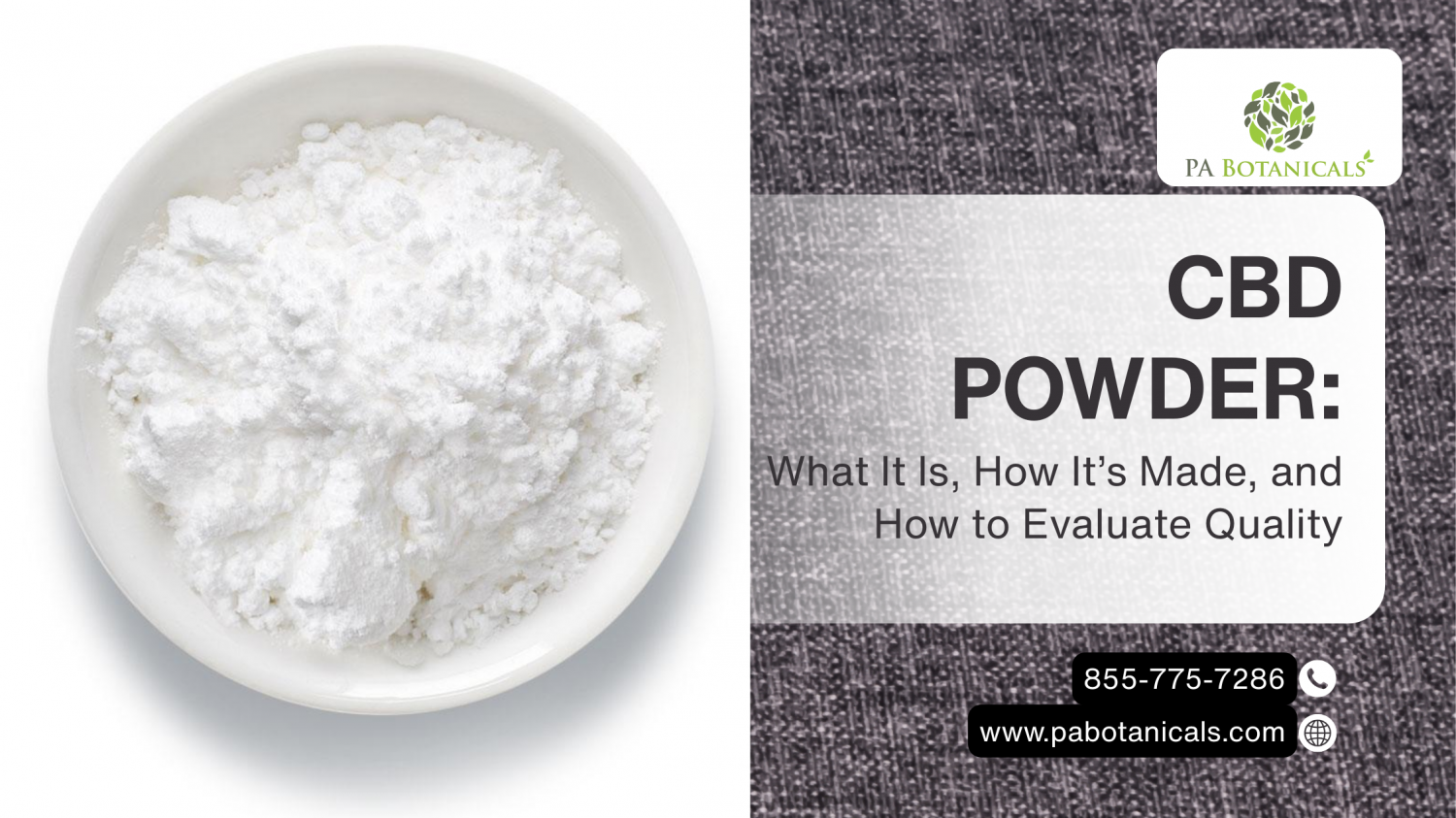
CBD Powder is a refined hemp-derived product that typically contains cannabidiol in a highly concentrated and isolated form. Unlike liquid extracts or infused products, powder-based formats are often valued for their neutral profile and consistency. The powder itself does not suggest how it should be used or what outcomes it may have; it simply represents a physical form of cannabidiol.
Consumers exploring botanical products often compare different formats across categories, including kratom varieties such as White Vein Kratom or Green Maeng Da Kratom, alongside hemp-derived products. While these are distinct plant sources with different regulatory considerations, the same evaluation principles apply: transparency, sourcing, testing, and responsible manufacturing matter more than product names or trends.
How CBD Powder Is Made
The production process plays a critical role in determining the quality, consistency, and integrity of CBD Powder. Although methods may vary by manufacturer, responsible production generally includes several essential stages.
1. Hemp Cultivation and Sourcing
High-quality hemp plants form the foundation of a reliable product. Reputable manufacturers source hemp from farms that follow agricultural best practices and comply with applicable regulations. Soil quality, cultivation methods, and harvesting standards all influence the final output.
Just as consumers researching White Vein Kratom or Green Maeng Da Kratom often examine where and how the plants are grown, those evaluating hemp-derived products should prioritize transparent sourcing information.
2. Extraction Process
After harvesting, cannabidiol is extracted from the hemp plant using controlled methods designed to separate target compounds from plant material. Extraction techniques are selected to preserve the integrity of compounds while minimizing
unwanted residues. The resulting extract is then prepared for further refinement.
The goal at this stage is clarity and consistency, not claims about potency or effects.
3. Refinement and Isolation
To produce CBD Powder, the extracted material undergoes additional refinement. This step removes excess waxes, lipids, and other plant components, resulting in a more uniform and stable product. Isolation focuses on purity and standardization rather than outcome-based messaging.
This refinement approach mirrors quality-focused practices seen across other botanical categories, including responsibly produced kratom varieties.
4. Drying and Powder Formation
Once refined, the cannabidiol is processed into a dry powder form. Manufacturers typically conduct internal quality checks and third-party testing at this stage to verify composition and consistency before packaging. Clean environments and precise handling are critical to maintaining product integrity.
How to Evaluate the Quality of CBD Powder
With a wide range of products available online, understanding how to evaluate quality is essential. Consumers researching CBD Powder often look for the following indicators:
Third-Party Lab Testing
Independent laboratory testing is one of the most important quality benchmarks. Reputable brands provide Certificates of Analysis that confirm product composition and screen for contaminants. Lab reports should be easy to access and clearly presented.
At PA Botanicals, transparency in testing is a core principle, allowing customers to review verified data rather than rely on assumptions.
Transparent Product Information
Clear and accurate labeling helps consumers make informed decisions. Trustworthy companies typically share:
- Ingredient and product details
- Sourcing information
- Manufacturing practices
- Batch-specific testing data
- Educational resources
Vague or incomplete descriptions can signal a lack of accountability.
Manufacturing Standards and Quality Control
Companies committed to quality often follow structured manufacturing protocols and internal quality control systems. These practices support consistency from batch to batch and reflect a long-term commitment to product integrity.
The same principles apply across botanical categories, whether someone is researching hemp-derived formats or kratom varieties like Green Maeng Da Kratom.
Compliance and Responsible Communication
Ethical companies avoid medical or therapeutic claims. Instead, they focus on compliance, education, and transparency. Responsible communication helps consumers understand product categories without creating unrealistic expectations.
Why Informed Research Matters
Products like CBD Powder exist within an evolving regulatory landscape. Laws and guidelines vary by region, making it important for consumers to stay informed about local regulations before purchasing or handling any hemp-derived or botanical product.
Educational resources play a critical role in this process. By understanding how products are made, tested, and presented, consumers can evaluate information responsibly, without relying on promotional language or unsupported claims.
Final Thoughts
CBD Powder is best understood as a refined hemp-derived format that emphasizes consistency, clarity, and transparency. Evaluating sourcing, production methods, third-party testing, and responsible communication can help consumers navigate available information more confidently.
As with all botanical categories, including kratom varieties such as White Vein Kratom and Green Maeng Da Kratom, quality standards and transparency should always come first. Informed research empowers consumers to make responsible decisions grounded in verified information, regulatory awareness, and a clear understanding of product integrity.
Comments (0)