


Green methanol is a low-carbon fuel produced from biomass, biogas or captured CO2 combined with green hydrogen. Compared with fossil fuel based production, it may considerably reduce greenhouse gas emissions and enable decarbonization of the maritime, chemical, power and automotive industries, among others.
The green methanol plant consists of feedstock of renewable origin, green hydrogen from electrolysis, a way to supply or produce CO2, and a synthesis method to combine the prior components. Size, energy integration and source, renewable energy source, capital expenditure and permitting, and future offtakes are some important aspects to consider.
IMARC’s new report titled “Green Methanol Production Cost Analysis 2026: Industry Trends, Plant Setup, Machinery, Raw Materials, Investment Opportunities, Cost and Revenue” provides a comprehensive roadmap for setting up a green methanol production plant cost. The study encompasses all the essential information needed to enter the green methanol industry, including capital investment, operating costs, raw material requirements, and profit projections. The green methanol production plant cost analysis offers detailed insights into cost structures and economic feasibility, helping stakeholders make informed decisions. It is a valuable resource for entrepreneurs, investors, researchers, consultants, business strategists, and anyone with an interest or stake in the green methanol sector.
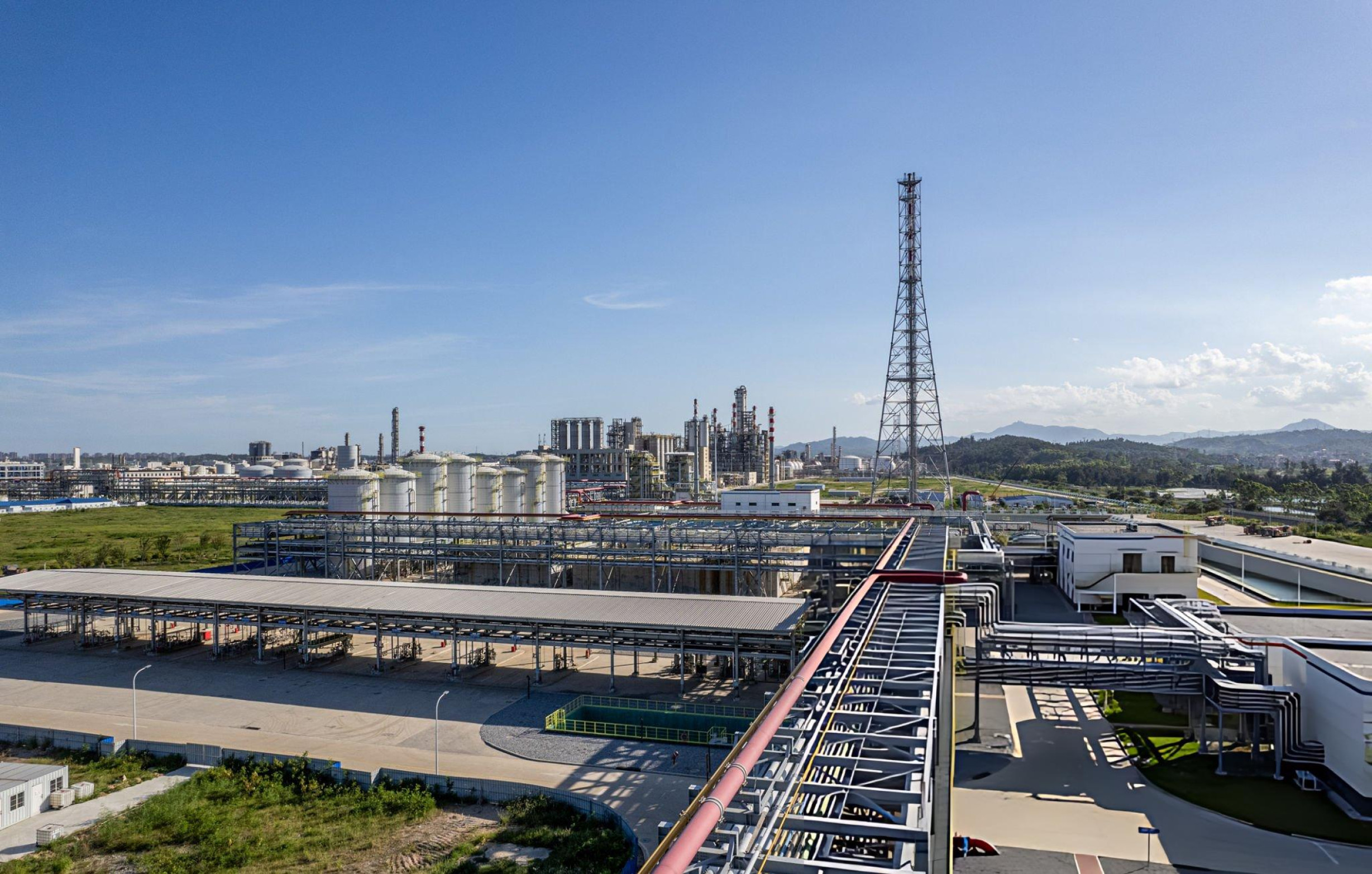
Key factors for setting up a green methanol production plant:
1. Market Research
The green methanol market expands fast, driven by climate policies that accelerate, emissions limits that get more stringent, and demand that rises for fuels low in carbon. The maritime sector is one of the largest drivers of demand because shipping companies seek to meet International Maritime Organization decarbonization goals. Investing in renewable energy infrastructure allows greater access to low-carbon green hydrogen increasing project bankability, while pricing carbon plus other government incentives help make low-carbon fuels more price competitive with fossil fuels. Furthermore, industrial stakeholders see green methanol as a carbon circular economic solution to decarbonizing production emissions via capturing CO2. Electrolysis, carbon capture and carbon synthesis technologies are improving in efficiency and reducing green methanol production costs. The expansion of longer-term offtake agreements, increased commitments by corporations to achieving net zero, and the expanding use of green methanol in chemicals and energy storage are spurring the market with green methanol expected to be an integral part of the energy transition.
The report offers an exhaustive overview of the global green methanol industry, including a detailed breakdown by segments and regions within the sector. It also includes in-depth analyses of prices involved, market trends and historical data and forecast.
- Market Forecast
- Price Analysis
- Market Breakup by Region
- Market Breakup by Segment
- Market Trends
2. Planning and Designing
A detailed and up-to-date business plan is indispensable for mapping out the steps to establish and operate a green methanol production facility. This report offers in-depth details about the process flow and the various unit operations involved in a green methanol production plant.
- Technical Tests
- Quality Assurance Criteria
- Mass Balance and Raw Material Requirements
- Unit Operations Involved
- Product Overview
Request for a Sample Report: https://www.imarcgroup.com/green-methanol-manufacturing-plant-project-report/requestsample
3. Legal and Regulatory Compliance
Understanding and complying with the intricate framework of business laws and regulations is a vital aspect of establishing a green methanol production facility. This requires a detailed knowledge of legal obligations, such as labor laws, environmental standards, tax policies, and industry-specific regulations.
4. Plant Requirements and Costs
The report offers a detailed location analysis, including insights into land selection, key criteria, location importance, environmental considerations, and associated costs for establishing a green methanol production facility. It also provides information on plant layout and the factors that impact its design.
- Human Resource Requirements and Costs
- Utility Requirements and Costs
- Transportation Requirements and Costs
- Packaging Requirements and Costs
- Raw Material Requirements and Costs
- Machinery Requirements and Costs
- Plant Layout
- Land, Location and Site Development
5. Hiring and Training
Effective workforce planning and recruitment strategies are critical for assembling a skilled and efficient team to manage a green methanol production plant. This process includes identifying the specific skills and qualifications needed for different roles and anticipating future staffing requirements based on production goals and business expansion.
- Developing Health and Safety Protocols
- Implementing Training Programs for Employees
- Complying with Labor Laws and Regulations
Ask Analyst for Customization: https://www.imarcgroup.com/request?type=report&id=28008&flag=C
6. Supply Chain Management
Building strong partnerships with suppliers and vendors is crucial to maintaining a dependable and cost-efficient supply chain. This requires choosing partners who can reliably deliver high-quality raw materials and components at competitive rates.
- Planning Logistics and Transportation Networks
- Implementing Efficient Inventory Management Systems
7. Project Economics
This entails a thorough analysis of the costs associated with a green methanol production plant, covering capital expenditure (CapEx), operating expenditure (OpEx), income forecasts, taxation, depreciation, liquidity, profitability, payback period, net present value (NPV), uncertainty, sensitivity assessments, etc. In addition to this, it includes an in-depth review of financial assistance options and a comprehensive list of certifications necessary for establishing the plant.
- Financial Analysis
- Profit Projections
- Taxation and Depreciation
- Revenue Projections
- Expenditure Projections
- Operating Costs
- Capital Investments
8. Marketing and Distribution Strategies:
Creating a robust marketing strategy and establishing strong brand positioning are vital for building a production plant’s market presence. This process includes conducting thorough market research to identify customer needs, preferences, and competitive trends.
- Identifying Distribution Channels and Sales Networks
- Leveraging Digital Marketing and E-Commerce Platforms
- Participating in Trade Shows and Industry Events
About Us:
IMARC Group is a global management consulting firm that helps the world’s most ambitious changemakers to create a lasting impact. The company excel in understanding its client’s business priorities and delivering tailored solutions that drive meaningful outcomes. We provide a comprehensive suite of market entry and expansion services. Our offerings include thorough market assessment, feasibility studies, company incorporation assistance, factory setup support, regulatory approvals and licensing navigation, branding, marketing and sales strategies, competitive landscape, and benchmarking analyses, pricing and cost research, and procurement research.
Contact Us:
IMARC Group
134 N 4th St. Brooklyn, NY 11249, USA
Email: sales@imarcgroup.com
Tel NoD) +91 120 433 0800
United States: (+1–201971–6302)
Comments (0)