


Fin fan heat exchangers also generally called air- cooled heat exchangers or air- fin coolers — represent a abecedarian thermal operation technology that rejects artificial process heat directly to ambient air rather than taking intermediate water cooling systems or other liquid cooling media. These ubiquitous bias have come standard outfit across petroleum refineries, chemical shops, natural gas processing installations, power generation stations, and innumerous other artificial operations where cooling conditions demand dependable, effective heat rejection without the complexity, cost, or environmental impacts of water- cooled systems. At their core, fin- fan heat exchangers correspond of finned tube packets through which hot process fluids flow while large suckers force ambient air across the external finned shells, transferring thermal energy from the process fluid through the tube walls and fins into the air sluice which carries the heat down to atmosphere. While this introductory principle sounds straightforward, the engineering behind effective fin-fan heat exchangers involves sophisticated consideration of heat transfer improvement, air- side optimization, mechanical design, accoutrements selection, and control strategies that maximize thermal performance while icing dependable operation under varying conditions. Understanding how fin- fan heat exchangers work — from abecedarian heat transfer principles to practical design rudiments and functional considerations — provides essential knowledge for anyone involved in artificial thermal operation, installation design, or process engineering.
The Abecedarian Operating Principle
Fin- fan heat exchangers operate on the simple principle of convective heat transfer where hot process fluid flowing inside tubes loses thermal energy through the tube walls to cooler air flowing over the external shells. The hot process fluid enters the tube pack at elevated temperature, flows through multiple tube passes, and exits at reduced temperature after rejecting heat along its path. contemporaneously, ambient air — drawn or pushed by mechanical suckers — flows across the surface tube shells, absorbing thermal energy and adding in temperature before discharging back to atmosphere. The heat transfer occurs in three successional way convective heat transfer from hot fluid to inner tube wall, conductive heat transfer through the tube wall material, and convective heat transfer from external tube face through fins to the air sluice. The effectiveness of this thermal energy transfer depends on heat transfer portions on both fluid sides, the thermal conductivity of tube and fin accoutrements , and the total face area available for heat exchange. The air- side heat transfer measure is innately low compared to liquid- cooled systems due to air's poor thermal parcels, which is precisely why fins are essential — they multiply the effective face area on the air side by factors of 10 to 30, compensating for air's inferior heat transfer characteristics and making air cooling practical for artificial operations.

The Critical part of Fins in Heat Transfer improvement
Fins represent the defining point that makes air cooling industrially feasible despite air's poor thermal parcels compared to water or other liquid coolants. Without fins, bare tubes transferring heat to air would bear impractically large tube lengths and enormous vestiges to achieve artificial cooling duties. Fins are thin essence extensions generally aluminum or galvanized sword — attached to tube surfaces that dramatically increase face area exposed to air inflow. Common fin configurations include plate fins( flat wastes vertical to tubes with tubes passing through holes), helical fins( strip crack helically around individual tubes), or individual extruded fins on each tube. The fin effectiveness — the fresh heat transfer fins give beyond bare tubes — depends on fin figure, material thermal conductivity, and relating quality between fins and tubes. Aluminum fins offer excellent thermal conductivity and erosion resistance for utmost operations, while sword fins give superior continuity in mechanically harsh surroundings. The fin viscosity( fins per inch) balances toast transfer face area against air- side pressure drop and fouling vulnerability — advanced fin viscosity increases heat transfer but also increases resistance to tailwind and vulnerability to plugging with airborne debris. Proper fin design and selection critically determines overall fin- fan performance and represents where important engineering optimization occurs.
Forced Draft vs. Induced Draft Configurations
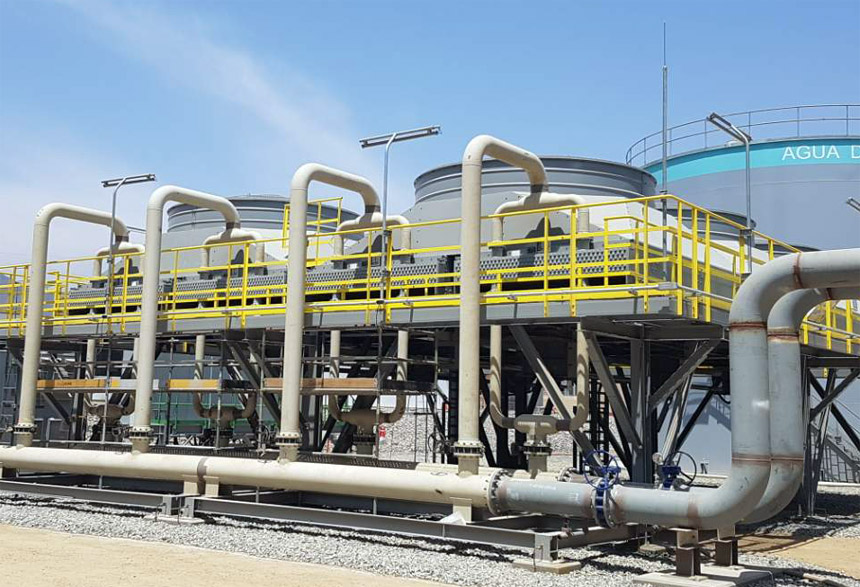
Fin- fan heat exchangers come in two abecedarian mechanical configurations forced draft and convinced draft, each with distinct characteristics, advantages, and applicable operations. Forced draft units position suckers below tube packets, pushing air overhead through the finned shells. This arrangement provides easy fan and motor access for conservation, better air distribution across tube packets, and lower hot air recirculation because discharge rapidity are advanced. still, forced draft places suckers and motors in hot exhaust air aqueducts, potentially reducing motor life and limiting maximum process temperatures. Induced draft units position suckers above tube packets, pulling air overhead through fins and discharging at high haste from the top. This configuration keeps suckers and motors in cooler medium air, perfecting motor life and allowing advanced process temperatures. The high exit haste in convinced draft significantly reduces hot air recirculation — a common problem where discharged hot air reenters the unit, reducing thermal performance. Induced draft generally provides 10- 20 better thermal performance than forced draft for original tube packets due to superior air distribution and reduced recirculation. The choice between configurations balances conservation availability( favoring forced draft), thermal performance( favoring convinced draft), and specific point constraints or functional precedences.
Multi-Pass Tube Arrangements and Flow Patterns
The internal inflow path of process fluid through tube packets significantly impacts thermal performance and pressure drop in fin- fan heat exchangers. Single- pass arrangements flow fluid straight through from bay to outlet in one nonstop path — simple but frequently thermally hamstrung for operations taking substantial cooling. Multi-pass configurations use heads or return bends to route fluid through multiple vertical sections, adding hearthstone time and heat transfer face exposure. Common arrangements include two- pass, four- pass, or six- pass configurations where fluid makes multiple traverses across the pack range before exiting. Each pass increases tube- side haste, perfecting heat transfer portions but also adding pressure drop — a trade- off optimized during design. Curve inflow arrangements where fluid flows contrary to state movement give better thermal effectiveness than resemblant inflow. The number of passes and flow arrangement must be optimized for each operation grounded on required thermal duty, permissible pressure drop, bay/ outlet temperature conditions, and fluid parcels. For largely thick fluids, multiple passes maintain rapidity sufficient for turbulent inflow and good heat transfer, while low- density fluids might achieve acceptable performance with smaller passes and lower pressure loss.
Control Systems and Performance Optimization
ultramodern fin- fan heat exchangers incorporate sophisticated controls that optimize performance, minimize energy consumption, and cover against functional issues across varying conditions. Variable frequence drives( VFDs) on fan motors allow nonstop tailwind adaptation matching cooling conditions rather than operating at fixed pets anyhow of demand. During low ambient temperatures or reduced process loads, VFDs reduce fan pets, cutting energy consumption dramatically suckers follow cell- law connections where 50 speed reduction cuts power to 12.5 of full speed consumption. Temperature control systems modulate fan pets to maintain target process outlet temperatures within tight forbearance despite varying heat loads or ambient conditions. Some systems employ two- speed motors or on- off cycling as simpler druthers to VFDs for operations where sophisticated control is not justified. Louvers — malleable mutes controlling tailwind — give another control system, particularly useful for snap protection in cold climates where inordinate cooling during downtime could solidify process fluids or damage outfit. Advanced control systems optimize multiple units operating in parallel, sequencing suckers to maximize overall effectiveness while meeting aggregate cooling conditions. Temperature, pressure, and vibration monitoring give functional data supporting prophetic conservation and early problem discovery.

Common Artificial Operations and Use Cases
Fin- fan heat exchangers serve innumerous artificial cooling operations across different diligence. Petroleum refineries use them considerably for overhead condenser cooling, product coolers, lube oil painting coolers, and multitudinous process aqueducts where water cooling would be impracticable or precious. Natural gas processing installations employ fin- fan coolers for gas contraction intercooling and aftercooling, amine result cooling, and glycol dehumidification systems. Chemical shops use them for reactor cooling, distillation condenser duty, and cooling colorful process aqueducts. Power generation installations apply fin- fan cooling for unrestricted- cycle cooling water, motor oil painting cooling, and supplementary systems. Compressor stations in channel operations calculate on fin- fan coolers for contraction heat junking. The common thread across operations is the need to reject process heat to atmosphere without water consumption, in locales where water is unapproachable or precious, or where environmental regulations circumscribe water use. The scalability from small package units to massive installations with multiple kudos and hundreds of suckers allows fin- fan technology to serve thermal duties from kilowatts to hundreds of megawatts.
Sourcing Quality Air- Cooled Heat Exchange results
Designing and enforcing effective fin- fan cooling requires moxie in thermal engineering, mechanical design, accoutrements selection, and operation-specific considerations that significantly impact long- term performance and trustworthiness. Working with educated manufacturers ensures optimal outfit selection and configuration. Air cooled heat exchangers from good suppliers incorporate proven designs, quality accoutrements, and engineering meliorated through decades of actual service. Kinetic Engineering specializes in air-cooled heat exchanger results finagled for demanding artificial operations, furnishing customized designs that duly regard for process conditions, point climates, and performance objects. Their comprehensive engineering capabilities insure fin- fan systems deliver dependable thermal performance while maximizing energy effectiveness and functional life. Whether you need standard configurations for common operations or largely tailored results for unique conditions, their experience across diligence and operations translates into outfit that performs as promised.
Conclusion
Fin- fan heat exchangers represent mature, proven technology that solves artificial cooling conditions through elegant operation of abecedarian heat transfer principles enhanced by fins, optimized by mechanical design, and controlled through ultramodern robotization. Understanding how these systems work — from introductory convective heat transfer to practical design considerations and functional strategies — enables informed opinions about when and how to emplace air cooling effectively. The combination of water independence, functional simplicity, environmental benefits, and dependable performance makes fin- fan heat exchangers necessary across ultramodern assiduity. As water coffers come scarcer and environmental scrutiny intensifies, air- cooled technology's significance continues growing, cementing fin- fan heat exchangers as essential structure in sustainable artificial operations worldwide. Proper design, quality manufacturing, and applicable operation insure these workhorses of artificial cooling deliver decades of dependable service while minimizing environmental impacts and operating costs.
Comments (0)