


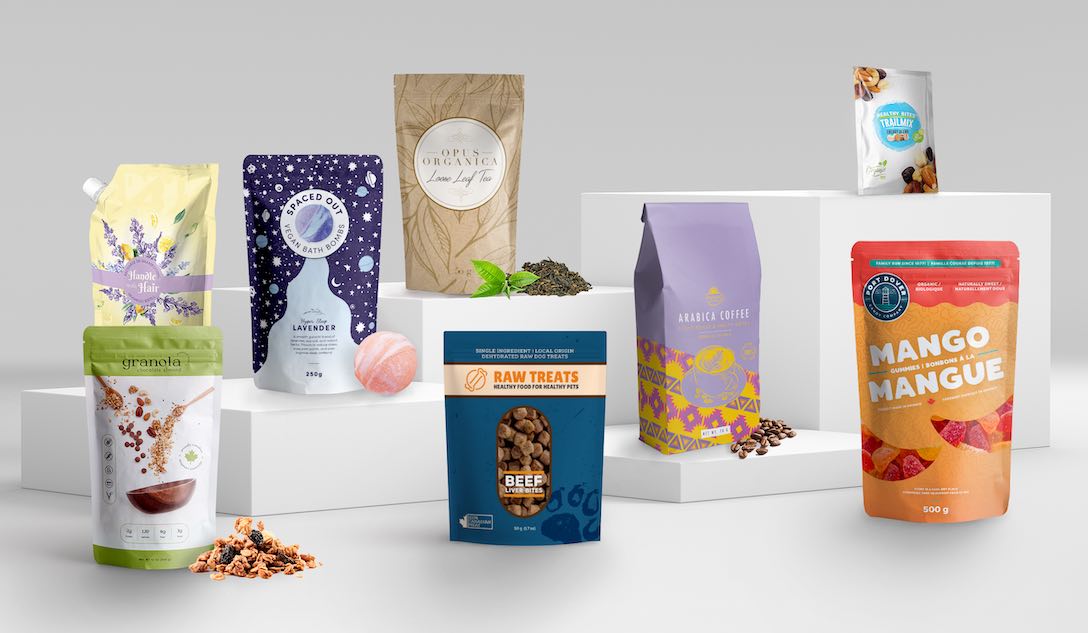
In today’s highly competitive marketplace, packaging is no longer just a protective layer around a product. It has become a powerful marketing tool, a sustainability statement, and a reflection of a brand’s identity. Businesses across industries—from food and beverages to pharmaceuticals and cosmetics—are rapidly shifting toward flexible packaging solutions to meet modern consumer expectations. At the same time, the demand for custom flexible packaging continues to grow as brands look for ways to stand out on crowded shelves and online marketplaces.
Flexible packaging is transforming how products are stored, transported, displayed, and experienced. It offers versatility, cost-efficiency, and design freedom that rigid packaging simply cannot match. As consumer preferences evolve and sustainability becomes a priority, flexible packaging is shaping the future of the packaging industry.
Understanding Flexible Packaging Solutions in the Modern Manufacturing Landscape
Flexible packaging refers to packaging made from flexible materials such as plastic films, paper, foil, or combinations of these materials. Unlike rigid containers like glass jars or metal cans, flexible packaging can easily change shape and is lightweight by design. This flexibility makes it highly adaptable to various product types, including liquids, powders, snacks, frozen foods, personal care items, and more.
The popularity of flexible packaging solutions lies in their ability to deliver multiple benefits simultaneously. They reduce shipping costs due to lower weight, occupy less storage space, and often require fewer raw materials compared to traditional packaging options. For manufacturers, this means lower production costs and improved supply chain efficiency. For consumers, it translates to convenience, resealability, portability, and extended shelf life.
Beyond functionality, flexible packaging also offers significant design freedom. High-quality printing technologies allow brands to showcase vibrant graphics, detailed product information, and eye-catching branding elements. This visual appeal plays a crucial role in influencing purchasing decisions.
The Growing Importance of Custom Flexible Packaging for Brand Identity
In a marketplace where consumers are overwhelmed with choices, differentiation is everything. Custom flexible packaging provides brands with the opportunity to create unique, recognizable packaging that aligns perfectly with their identity and target audience.
Custom packaging goes far beyond simply printing a logo on a pouch. It involves tailoring every aspect of the packaging to meet specific requirements, including size, material composition, barrier properties, printing style, finishes, and functional features such as zippers or spouts. This level of customization allows brands to deliver a cohesive and memorable experience.
For example, a premium organic snack brand may choose matte-finish stand-up pouches with earthy tones to communicate sustainability and natural ingredients. On the other hand, a high-energy sports supplement brand may opt for bold colors and metallic finishes to convey performance and power. Custom flexible packaging enables such strategic design decisions, ensuring that packaging aligns with brand messaging.
Key Benefits of Flexible Packaging Solutions for Businesses
Flexible packaging solutions offer a wide range of advantages for manufacturers, retailers, and consumers alike. While the benefits vary depending on industry and product type, several core advantages make flexible packaging a preferred choice across sectors.
-
Reduced material usage compared to rigid packaging, leading to lower production costs.
-
Lightweight structure that minimizes transportation expenses and carbon footprint.
-
Excellent barrier properties that protect products from moisture, oxygen, and contaminants.
-
Space-saving design that optimizes storage and shelf display.
-
Enhanced convenience features such as resealable closures and easy-tear openings.
These advantages not only improve operational efficiency but also contribute to a better customer experience. In an era where convenience and sustainability drive purchasing decisions, flexible packaging meets both expectations effectively.
Sustainability and Environmental Impact of Flexible Packaging
Sustainability has become a central concern for businesses and consumers alike. Traditional packaging materials, particularly rigid plastics, have faced criticism due to environmental impact. Flexible packaging solutions are increasingly being developed with sustainability in mind.
Modern flexible packaging often uses less material overall, which reduces waste at the source. Additionally, advancements in recyclable films, compostable materials, and mono-material structures are making it easier to integrate flexible packaging into recycling systems. Some manufacturers are also exploring bio-based materials derived from renewable resources.
By reducing material consumption and improving transportation efficiency, flexible packaging can lower greenhouse gas emissions across the supply chain. Its lightweight nature means fewer trucks are needed for distribution, resulting in reduced fuel consumption.
However, sustainability in packaging requires a holistic approach. Businesses must carefully evaluate material selection, recycling infrastructure, and consumer disposal behavior to ensure that environmental goals are truly achieved.
Applications of Custom Flexible Packaging Across Industries
The versatility of custom flexible packaging allows it to serve a wide variety of industries. Each sector has unique requirements, and flexible packaging can be engineered to meet those needs precisely.
In the food and beverage industry, flexible packaging is widely used for snacks, frozen foods, sauces, coffee, and ready-to-eat meals. High-barrier films help maintain freshness and extend shelf life, while resealable features improve convenience.
In pharmaceuticals and healthcare, flexible packaging ensures product safety and compliance with regulatory standards. Specialized materials protect medicines from moisture and contamination, maintaining efficacy.
The cosmetics and personal care industry also benefits from flexible pouches and sachets, particularly for sample-sized products and refill packs. These packaging formats reduce plastic usage while offering modern aesthetics.
E-commerce has further accelerated the demand for flexible packaging solutions. With the growth of online shopping, brands require durable yet lightweight packaging that can withstand shipping conditions without significantly increasing costs.
Design and Printing Technologies Driving Innovation
One of the most exciting aspects of custom flexible packaging is the innovation in printing and finishing technologies. High-definition digital printing allows for short production runs with exceptional color accuracy. This is especially beneficial for limited-edition products or seasonal campaigns.
Rotogravure and flexographic printing techniques offer high-quality results for large-scale production. Brands can incorporate metallic inks, matte or gloss finishes, embossing, and transparent windows to enhance visual appeal.
These design capabilities empower brands to tell their story directly through packaging. A well-designed pouch can communicate product benefits, sustainability commitments, and brand personality at a glance.
Additionally, smart packaging technologies are emerging, including QR codes and augmented reality features. These interactive elements bridge the gap between physical packaging and digital engagement, providing consumers with product information, promotions, and brand storytelling experiences.
How Flexible Packaging Improves Supply Chain Efficiency
Efficiency is a critical factor in modern business operations. Flexible packaging solutions contribute significantly to streamlined supply chains. Because flexible materials take up less space before filling, they reduce warehousing requirements. Once filled, their lightweight nature makes them easier and more cost-effective to transport.
Manufacturers can also benefit from faster production processes. Many flexible packaging systems are compatible with automated filling and sealing equipment, increasing output while maintaining quality standards.
Retailers appreciate the shelf efficiency of flexible packaging. Stand-up pouches, for instance, maximize display space and improve product visibility. This efficient use of space can translate into higher sales per square foot.
The Role of Innovation in Custom Flexible Packaging Development
Innovation continues to shape the future of custom flexible packaging. Material science advancements are enabling the development of stronger, thinner films that maintain durability while reducing environmental impact. Barrier technologies are improving product protection without adding unnecessary layers.
Brands are also exploring refillable flexible packaging formats to promote sustainability and reduce waste. Consumers increasingly favor products that align with their environmental values, and packaging innovation plays a key role in meeting those expectations.
Near the end of the production process, collaboration with experienced packaging providers becomes crucial. Companies like Attapack understand how to balance design, functionality, and sustainability in flexible packaging solutions. By working closely with clients, they help transform creative concepts into practical packaging that performs efficiently in real-world conditions.
Challenges and Considerations in Implementing Flexible Packaging Solutions
While flexible packaging offers numerous benefits, businesses must consider certain challenges during implementation. Material compatibility with the product is essential to prevent contamination or degradation. Regulatory compliance, particularly in food and pharmaceutical sectors, must be carefully addressed.
Recycling infrastructure varies by region, which can impact the sustainability goals of flexible packaging. Brands must clearly communicate disposal instructions to consumers to maximize recyclability.
Cost considerations also play a role. Although flexible packaging often reduces overall expenses, initial customization and tooling investments may be required. However, these costs are typically offset by long-term savings in transportation and material usage.
The Future Outlook for Flexible Packaging Solutions
The future of flexible packaging solutions appears promising. As technology advances and sustainability standards become stricter, flexible packaging will continue to evolve. Consumer demand for convenience, portability, and eco-friendly options will drive further innovation.
Custom flexible packaging will remain a strategic tool for brand differentiation. In a digital-first world, physical packaging still plays a vital role in shaping first impressions. Whether displayed on retail shelves or delivered through e-commerce platforms, packaging influences how consumers perceive product quality and brand credibility.
We can expect continued growth in recyclable and compostable materials, enhanced barrier technologies, and smarter printing solutions. The integration of digital elements into packaging will also expand, connecting brands with consumers in new and engaging ways.
Conclusion: Why Flexible and Custom Packaging Matter More Than Ever
Flexible packaging solutions and custom flexible packaging are no longer optional enhancements—they are essential components of modern product strategy. They offer cost savings, sustainability advantages, design flexibility, and improved consumer convenience. Businesses that embrace flexible packaging gain a competitive edge in both retail and online markets.
As industries evolve and environmental concerns intensify, the packaging landscape will continue to transform. Companies that invest in innovative, high-quality flexible packaging will be better positioned to meet customer expectations and regulatory requirements.
Ultimately, packaging is more than a container. It is a communication tool, a sustainability statement, and a critical part of the customer experience. By leveraging advanced flexible packaging solutions and embracing customization, brands can build stronger connections with their audiences and thrive in an increasingly dynamic marketplace.
Comments (0)