


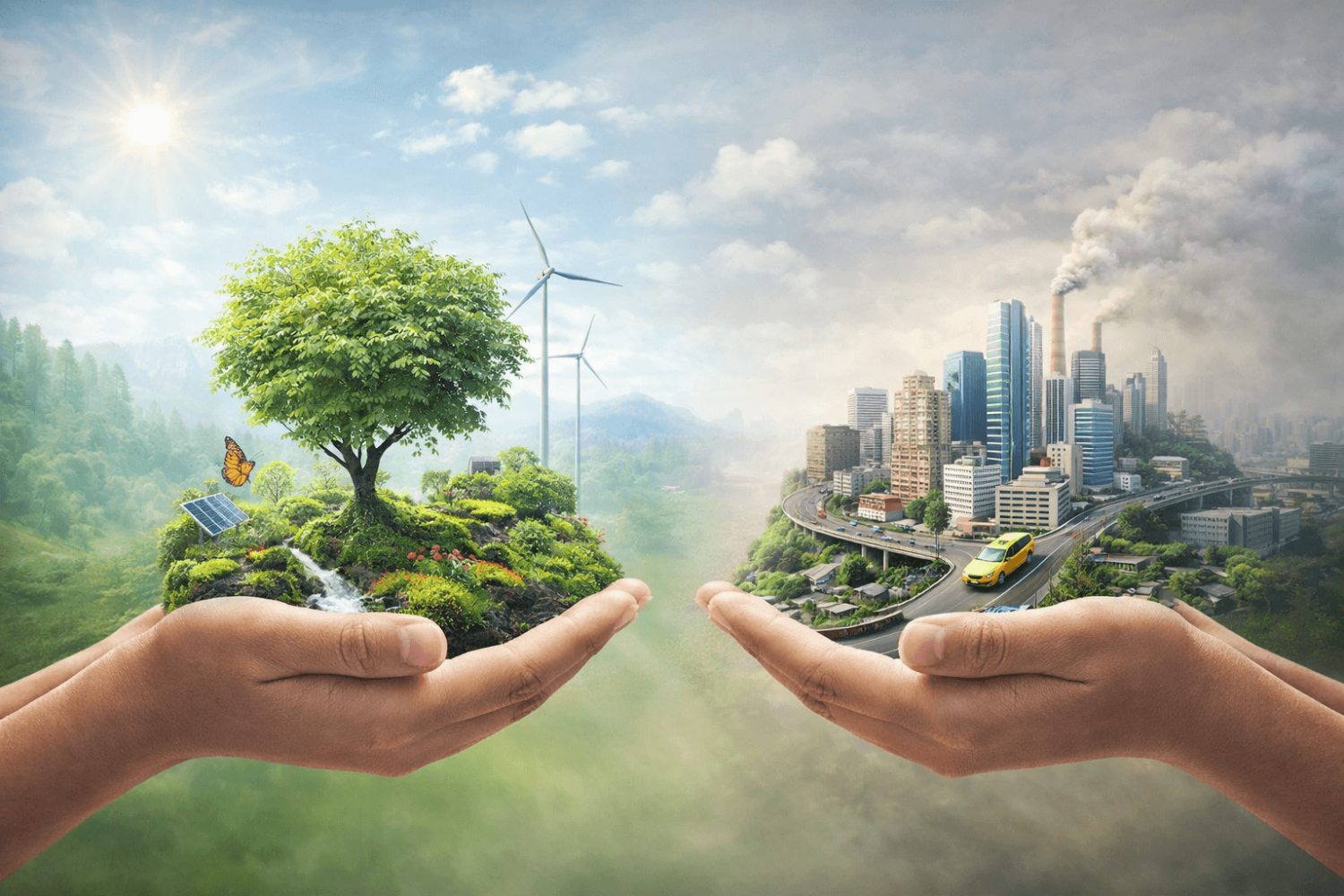
Plastic injection moulding has long been a cornerstone of modern manufacturing, producing everything from automotive components to household products. However, with growing environmental concerns and increasing pressure on manufacturers to reduce waste, adopting circular economy approaches in injection moulding is becoming essential.
By recycling scrap material, regrinding defective parts, and designing products for recyclability, manufacturers can not only reduce environmental impact but also improve cost efficiency and operational resilience.
In 2026 and beyond, circular economy principles are set to transform how the industry approaches plastics, moving from a linear “take-make-dispose” model to a sustainable, closed-loop system.
Let’s take a closer look.
Understanding The Circular Economy In Plastic Injection Moulding
The circular economy is a sustainability framework that prioritises reuse, recycling, and regeneration over disposal. In the context of plastic injection moulding, this means viewing every piece of material—not just the finished product—as part of a continuous life cycle. Rather than sending scrap, rejects, or end-of-life products to landfill, manufacturers can reclaim the material, reprocess it, and reintegrate it into production.
This approach not only conserves resources but also reduces dependency on virgin polymers, which are energy-intensive to produce. For example, regrinding and reusing defective parts or excess sprues can cut raw material consumption significantly, directly lowering production costs and carbon footprints.
As sustainability becomes a priority for regulators, investors, and customers alike, circular economy practices are quickly becoming a competitive advantage in the plastic injection moulding sector.
Recycling Scrap And Defective Parts
One of the most immediate ways manufacturers can adopt circular practices is by recycling scrap material generated during production. Injection moulding inevitably produces waste: runners, sprues, and rejected components account for a significant portion of plastic use. Traditionally, these would be discarded or incinerated, contributing to environmental harm.
Modern recycling techniques allow these materials to be collected, cleaned, and re-ground into reusable pellets. These recycled pellets can then be blended with virgin resin to create new components, maintaining quality while reducing the consumption of new plastic. Some manufacturers report savings of up to 15–20% in raw material costs by consistently recycling production waste.
Recycling is not limited to manufacturing scrap. Post-consumer plastics, such as returned products or packaging, can also be integrated into the production cycle. For example, a company producing injection-moulded containers can incorporate recycled PET or HDPE sourced from post-consumer waste streams.
By combining internal scrap recycling with post-consumer material use, manufacturers can create products that are not only cost-efficient but also more environmentally responsible.
Designing For Recyclability
Adopting circular economy practices goes beyond recycling existing waste; it also involves designing products that are easier to recycle at the end of their life. This principle, often referred to as “design for recyclability,” ensures that components can be disassembled, sorted, and processed efficiently.
For instance, avoiding multi-material parts or incompatible additives can make the recycling process smoother and more cost-effective. Colour-coded resins or standardised polymer grades further enhance recyclability, as sorting becomes simpler and contamination risks are minimised.
By considering the full lifecycle of a product during the design phase, manufacturers can significantly extend the usability of their materials and reduce environmental impact.
Moreover, designing with recyclability in mind helps manufacturers comply with emerging environmental regulations and eco-certifications. Governments and industry bodies in the UK and EU are increasingly introducing legislation requiring plastic products to meet certain sustainability standards, including recyclability and recycled content thresholds.
Planning for recyclability early in the design process ensures compliance and positions a company as a sustainability leader.
Implementing Closed-Loop Manufacturing
A fully circular approach requires integrating recycling and reprocessing directly into production systems, creating a closed-loop manufacturing model. In this system, scrap and defective parts are automatically collected, re-ground, and fed back into the injection moulding process without leaving the factory.
Closed-loop systems offer several advantages. They reduce transportation and disposal costs associated with sending scrap to external recycling facilities. They also improve material traceability, allowing manufacturers to monitor the proportion of recycled material in each batch, which can be important for quality control and regulatory reporting.
Additionally, closed-loop manufacturing supports innovation. Engineers can experiment with different recycled blends to optimise mechanical properties, aesthetics, and cost efficiency. Over time, this approach allows manufacturers to achieve a high percentage of recycled content in products while maintaining performance standards—a key factor for industries such as automotive, packaging, and consumer goods.
The Financial And Environmental Benefits
Adopting circular economy practices in injection moulding delivers tangible financial and environmental benefits. On the cost side, using recycled materials reduces expenditure on virgin resins, lowers waste disposal costs, and enhances operational efficiency. Environmentally, these practices minimise landfill contributions, reduce energy use associated with new plastic production, and cut greenhouse gas emissions.
Furthermore, adopting circular practices can improve a company’s brand reputation. Customers and business partners increasingly value sustainability and transparency. Manufacturers that demonstrate a commitment to circular economy principles can differentiate themselves in a competitive market, attracting eco-conscious buyers and potential investors.
Moving Towards A Sustainable Future In Injection Moulding
Circular economy approaches are no longer optional for plastic injection moulding manufacturers—they are becoming a strategic imperative. By recycling scrap, reusing defective components, and designing products for recyclability, companies can reduce costs, improve efficiency, and lower their environmental footprint. Implementing closed-loop manufacturing systems ensures that sustainability is embedded in every stage of production, creating a resilient, future-ready operation.
As the industry advances towards 2026, manufacturers who embrace circular economy principles will not only contribute to a more sustainable planet but will also enjoy financial, operational, and reputational benefits. In an era where customers, regulators, and investors increasingly demand responsible production, circular approaches in injection moulding represent a win-win: better for business, better for the environment.
Comments (0)