


In today's tech-centric landscape, organizations are rapidly adopting cloud computing due to its numerous advantages, including scalability, flexibility, and cost-effectiveness. Microsoft Azure is a frontrunner in the cloud service market. This blog will define Microsoft Azure and highlight its crucial role in enhancing business security. If you want to excel in this career path, then it is recommended that you upgrade your skills and knowledge regularly with the latest MicroSoft Azure Training in Chennai.

What is Microsoft Azure?
Microsoft Azure is a comprehensive cloud computing platform created by Microsoft that provides a diverse range of services, including computing power, storage, databases, analytics, and networking. Azure supports various programming languages, tools, and frameworks, making it suitable for a wide array of applications—from simple websites to complex enterprise systems.
With Azure, organizations can build, deploy, and manage applications and services within a global network of Microsoft-managed data centers. This on-demand access to resources enables businesses to efficiently scale operations, quickly respond to market changes, and lower physical infrastructure costs.
Enhancing Security with Microsoft Azure
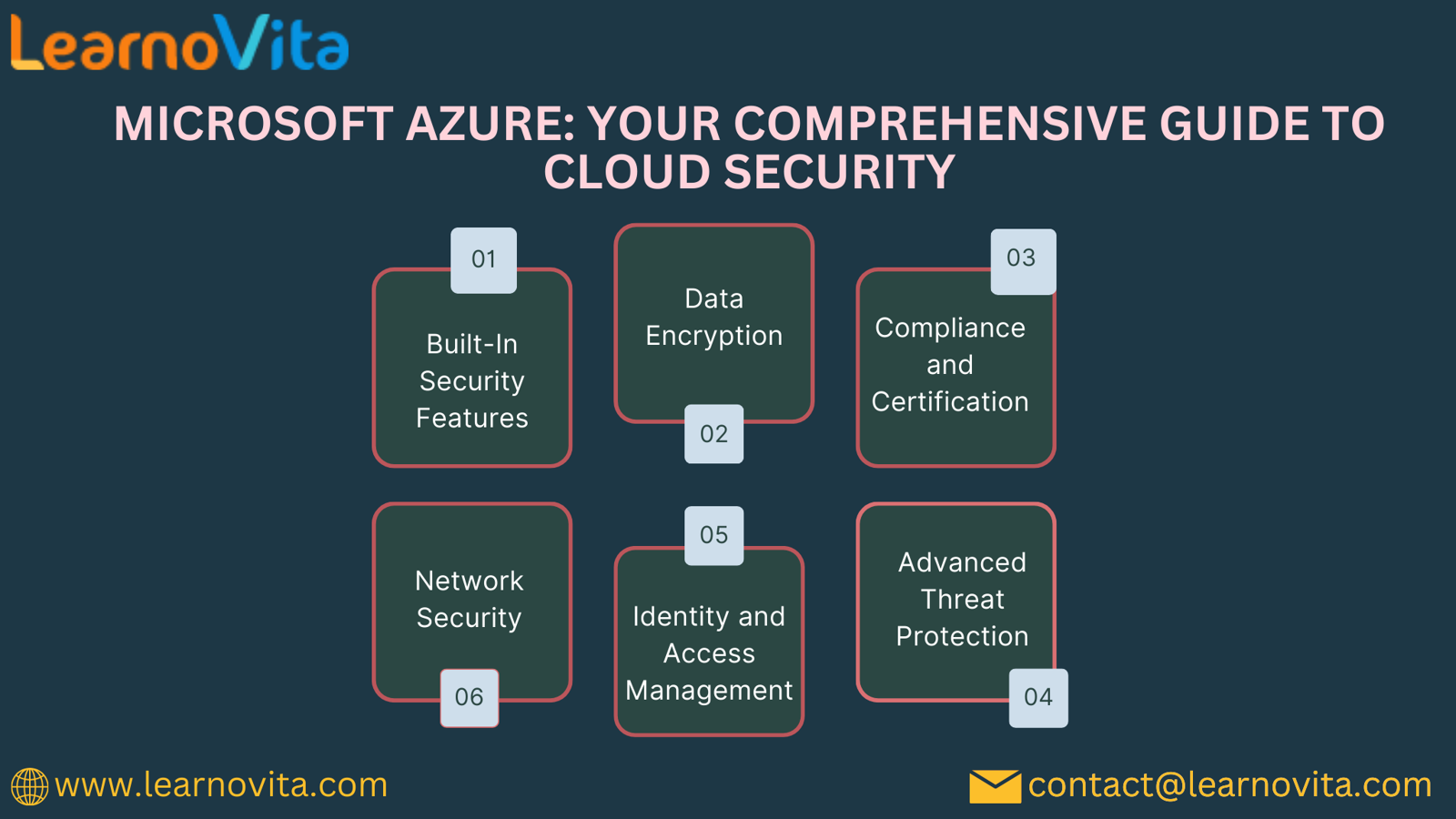
As organizations migrate to the cloud, security is a top priority. Microsoft Azure implements a multi-layered security architecture designed to protect data and applications at all levels. Here’s how Azure strengthens security:
1. Comprehensive Security Solutions
Azure offers an extensive suite of integrated security tools that enhance the protection of applications and data. The Azure Security Center serves as a centralized platform for security management, featuring unified policy management, security assessments, and actionable insights to ensure ongoing compliance and monitoring.
2. Robust Identity and Access Management
With Azure Active Directory (Azure AD), Microsoft provides a powerful identity and access management service that enables organizations to securely manage user identities and control access to resources. Features like Multi-Factor Authentication (MFA) add an extra layer of security, ensuring that only authorized users can access sensitive information.
3. Strong Data Encryption Practices
Azure prioritizes data security through encryption, both at rest and in transit. Services such as Azure Storage Service Encryption and Azure Disk Encryption offer end-to-end encryption, ensuring that sensitive data remains protected from unauthorized access during storage and transmission.
It’s simpler to master this tool and progress your profession with the help of Best Training & Placement program, which provide thorough instruction and job placement support to anyone seeking to improve their talents.
4. Compliance with Regulatory Standards
Microsoft Azure adheres to a variety of international standards and regulations, including GDPR, HIPAA, and ISO 27001. This commitment to compliance helps organizations mitigate risks associated with data breaches and regulatory penalties, ensuring their data is managed according to industry best practices.
5. Advanced Threat Detection Capabilities
Azure significantly invests in advanced threat detection technologies powered by artificial intelligence and machine learning. This proactive approach detects unusual behavior and potential threats in real time, enabling rapid responses and minimizing the impact of security incidents.
6. Enhanced Network Security Features
Azure incorporates several network security features, including Virtual Network (VNet), Network Security Groups (NSGs), Azure Firewall, and Azure DDoS Protection. These tools assist in creating secure network architectures, managing traffic flow, and protecting against distributed denial-of-service (DDoS) attacks, ensuring that cloud resources remain secure from external threats.
Conclusion
Microsoft Azure is a leading cloud computing platform that not only supports business growth but also emphasizes security. By leveraging its extensive suite of security features, identity management tools, data encryption, and compliance standards, organizations can effectively protect their data and applications in the cloud.
In a landscape where cyber threats are increasingly sophisticated, choosing a secure cloud platform like Microsoft Azure is essential for any organization looking to safeguard sensitive information. With Azure, businesses can confidently navigate the digital realm while guaranteeing that strong security measures are firmly in place. Secure your future in cloud computing with Microsoft Azure!
Comments (0)