


If you are planning a renovation or new construction project in Toronto, the demolition contractor Toronto is likely the first major hurdle you will face. It is loud, it is messy, and if not handled correctly, it can derail your entire timeline and budget. The process of finding and hiring the right contractor can feel overwhelming, especially if you have never done it before. Between verifying credentials, comparing quotes, and understanding the fine print, there is a lot to navigate. However, by approaching the task methodically and knowing what to look for at each stage, you can secure a skilled professional who will clear your site safely and efficiently, setting the stage for everything that follows.
Step One: Defining the Scope of Your Project
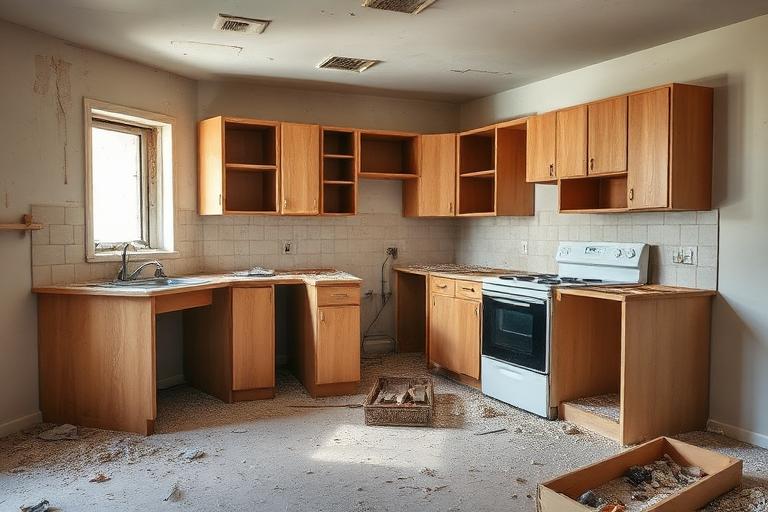
Before you even begin reaching out to companies, you need to have a clear understanding of what you actually need. Are you removing a single interior wall in a residential home, or are you gutting an entire commercial floor? Will the work require heavy machinery, or can it be done by hand? Do you suspect the presence of hazardous materials like asbestos or lead paint? Take the time to walk through your property and make notes about every element you want removed. If possible, gather any available architectural drawings. Having this information organized before you start calling contractors will allow you to communicate your needs clearly and help potential bidders provide you with more accurate and comparable estimates.
Step Two: Researching and Shortlisting Potential Contractors
Not all demolition companies are created equal, and finding the right fit for your specific project requires some homework. Start by asking for recommendations from architects, general contractors, or real estate developers you know. Online resources are also valuable; look for companies with strong, detailed websites and positive reviews on platforms like Google and the Better Business Bureau. Pay attention to reviews that mention specific qualities like punctuality, cleanliness, and communication. Create a shortlist of at least three to five contractors who have demonstrable experience with projects similar to yours in scale and complexity. This research phase is your opportunity to weed out companies that lack the expertise or reputation to handle your job.
Step Three: Checking Credentials and Verifying Compliance
Once you have a shortlist, it is time to dig into the details of their qualifications. In Ontario, demolition contractors must be properly licensed and insured. Ask each candidate for proof of liability insurance and Workplace Safety and Insurance Board (WSIB) coverage. Without these, you could be held financially responsible if a worker is injured on your property. Additionally, verify that they hold the necessary city licenses to operate in Toronto. A reputable contractor will be transparent about their credentials and happy to provide documentation. This step is non-negotiable; hiring an uninsured or unlicensed contractor might save money upfront but poses a massive financial risk down the road.
Step Four: Conducting On-Site Consultations and Interviews
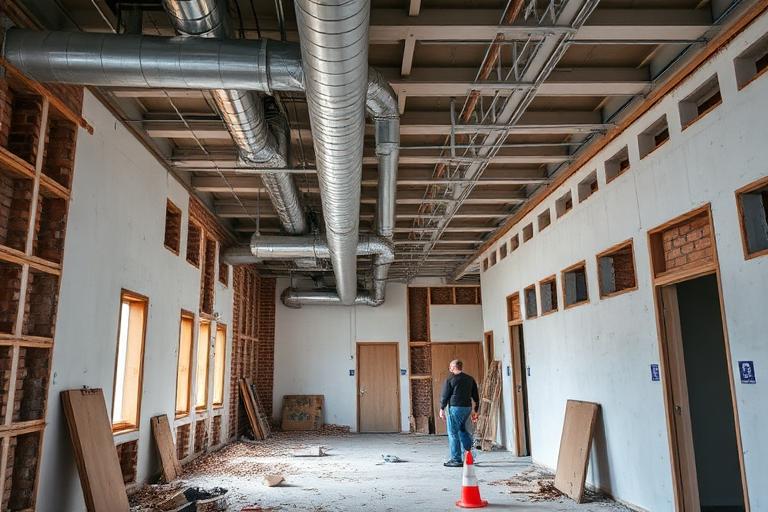
After verifying credentials, invite your top candidates to visit the property for an in-person consultation. A walkthrough is essential because it allows the contractor to see the conditions firsthand—the access points, the proximity to neighboring buildings, and any potential challenges that photos cannot capture. Use this opportunity to interview them as well. Ask about their experience with similar projects, their approach to safety, and how they handle unexpected issues like discovering unknown materials. Pay attention to how they communicate. Do they listen to your concerns? Do they explain things clearly? This face-to-face meeting is often the best way to gauge whether a contractor is someone you can trust and work with comfortably.
Step Five: Comparing Detailed Written Estimates
Following the on-site visits, you should receive written estimates from the contractors you interviewed. Avoid the temptation to simply choose the lowest number. Instead, compare the estimates line by line. A detailed quote should break down the costs for labor, equipment, disposal fees, permits, and any specialized services like hazardous material abatement. It should also outline the proposed timeline and the specific scope of work. A vague, one-line estimate is a red flag; it suggests the contractor has not thought through the project thoroughly. Look for transparency and thoroughness in the estimate, as these qualities often translate into how they will run the job itself.
Step Six: Reviewing the Contract Thoroughly
Once you have selected a contractor, the final step before any work begins is a meticulous review of the contract. This legally binding document should include everything discussed and agreed upon: the full scope of work, the total price, the payment schedule, the start and completion dates, and the procedures for handling change orders or unexpected discoveries. Ensure it also outlines the contractor's responsibilities for waste removal, site cleanup, and securing necessary permits. Do not hesitate to ask questions about any clause you do not fully understand. A reputable company will welcome your scrutiny and want you to feel confident before signing. Taking the time to review the contract carefully now can prevent disputes and misunderstandings later.
Comments (0)