


There is a growing movement of people willingly stepping into freezing water, and it is not just for the thrill. Andrew Huberman has brought the science of cold exposure into the mainstream, explaining why this uncomfortable practice is one of the most powerful tools available for building mental resilience. According to Huberman, deliberate cold exposure does something that few other interventions can: it bridges the gap between the mind and the body, training your nervous system to remain calm and composed under conditions of acute stress. The benefits extend far beyond a momentary adrenaline rush, influencing everything from focus and mood to long-term emotional stability. What makes cold exposure so compelling is that it works precisely because it is uncomfortable, teaching your brain that you can endure discomfort and emerge stronger on the other side.
The Neurochemical Cascade of Cold Immersion
When your body hits cold water, something remarkable happens inside your brain. Huberman explains that cold exposure triggers a sustained release of norepinephrine, a neurotransmitter and hormone that acts as both a focus enhancer and a stress regulator. Unlike the brief spike you might get from a startling noise, cold water produces a prolonged elevation of norepinephrine that can last for hours after you step out. This neurochemical shift sharpens attention, elevates mood, and prepares the brain to handle subsequent stressors with greater ease. Additionally, cold exposure has been shown to increase dopamine levels by as much as two hundred and fifty percent above baseline—a boost that rivals the effects of certain stimulants but without the crash. This combination of norepinephrine and dopamine creates a state of heightened alertness and motivation that makes cold exposure a uniquely effective tool for starting the day or resetting a flagging mental state.
Training the Anterior Mid-Cingulate Cortex
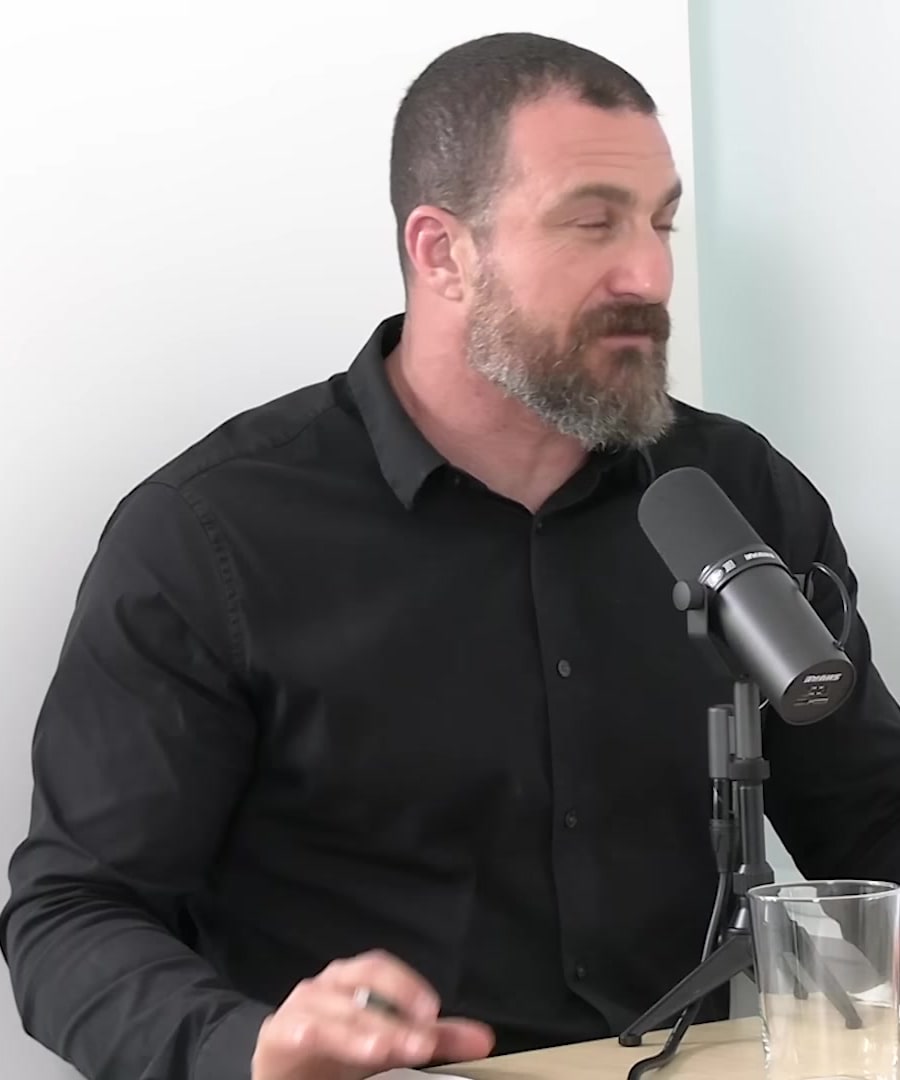
Perhaps the most fascinating aspect of cold exposure, according to Huberman, is its effect on a specific brain region called the anterior mid-cingulate cortex. This area is associated with grit, perseverance, and the ability to push through resistance. Every time you willingly do something your brain instinctively wants to avoid—like stepping into a cold shower or lowering yourself into an ice bath—you activate and strengthen this neural circuit. Huberman describes this as a form of “non-negotiable” training for willpower. Unlike other forms of discomfort that feel imposed upon you, deliberate cold exposure is chosen. This act of choice, combined with the physical challenge, builds a sense of agency and self-efficacy that spills over into other areas of life. Over time, regular cold exposure literally reshapes the brain to be more resilient in the face of any challenge, whether physical, emotional, or cognitive.
Building Stress Inoculation Through Controlled Discomfort
One of Huberman’s central frameworks for understanding cold exposure is the concept of stress inoculation. He draws a parallel to vaccines, which expose the immune system to a weakened pathogen to build immunity. Cold exposure does something similar for the stress response. By voluntarily subjecting yourself to a controlled, manageable stressor, you teach your nervous system that it can withstand discomfort without falling into a state of overwhelm. This repeated practice raises your threshold for what triggers a full-blown stress response in daily life. Situations that once felt daunting—difficult conversations, high-pressure deadlines, unexpected setbacks—begin to feel more manageable because your brain has learned, through direct experience, that discomfort is survivable and often followed by a sense of accomplishment.
The After-Drop and Emotional Regulation
Anyone who has tried cold exposure knows that the moments after you step out can feel just as intense as the moments inside. Huberman explains this phenomenon, known as the after-drop, where body temperature continues to decrease slightly after exiting the cold, triggering a rebound effect in the nervous system. This period is when much of the emotional regulation benefit occurs. The body’s attempt to rewarm itself activates a parasympathetic rebound—a deep wave of calm that follows the initial sympathetic activation. This cycle of stress followed by recovery trains the brain to return to baseline more efficiently after future stressors. Huberman notes that regular cold exposure practitioners often report greater emotional stability, fewer reactive outbursts, and a general sense of being less rattled by the inevitable ups and downs of daily life.
Practical Protocols for Safe Cold Exposure
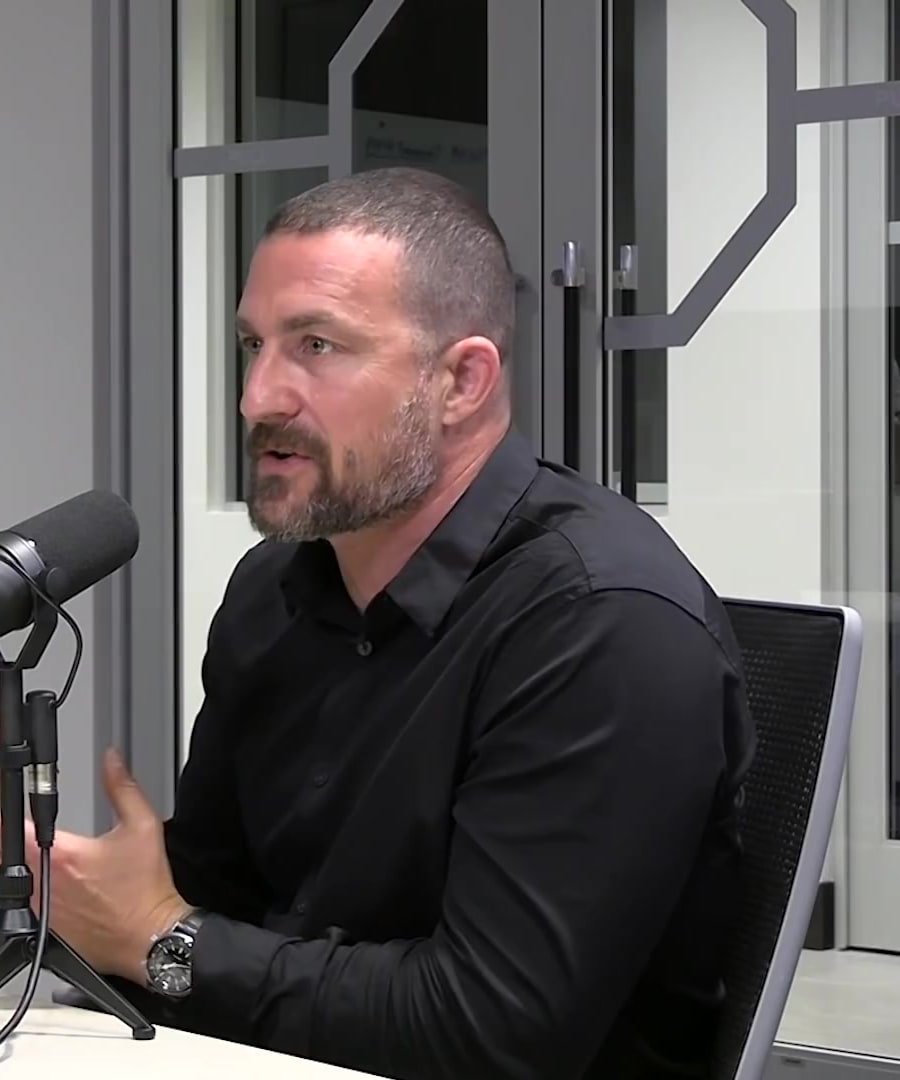
Huberman emphasizes that cold exposure is most effective when done with intention and consistency, not extreme duration or temperature. He recommends starting with what is accessible: turning the shower to cold for the final thirty seconds to two minutes of your morning routine. For those seeking deeper benefits, ice baths or cold plunges in the forty to sixty-degree Fahrenheit range for one to five minutes, three to four times per week, represent a solid protocol. Importantly, he cautions against staying in cold water to the point of shivering uncontrollably or losing fine motor control, as this indicates the body is being pushed past a productive threshold. Safety considerations matter—cold exposure is not recommended for pregnant individuals or those with certain cardiovascular conditions without medical guidance. The goal is not suffering but controlled, repeatable challenge.
Integrating Cold Exposure with Other Resilience Practices
Finally, Huberman discusses how cold exposure fits into a broader toolkit for mental resilience. He notes that combining cold exposure with deliberate breathing practices can amplify its effects. For instance, practicing cyclic sighing or other controlled breathing techniques both before and after cold immersion can help you maintain calm during the experience and extend the recovery benefits afterward. Additionally, he suggests pairing cold exposure with a consistent morning routine that includes sunlight viewing, creating a powerful anchor for circadian rhythms and nervous system regulation. When used consistently, cold exposure becomes more than a physical practice—it becomes a daily reminder that you are capable of facing discomfort, that you can choose to lean into challenge rather than avoid it, and that resilience is not something you are born with but something you build, one cold morning at a time.
Comments (0)