


You have picked out your products, designed your logo, and planned your marketing campaign. Then the shipment arrives, and nothing goes right. The colors are wrong, half the units do not turn on, and the supplier stops answering your emails. These stories are painfully common in the small appliance suppliers industry, but they are not inevitable. The mistakes that sink new businesses are usually the same ones, repeated by buyers who trusted too quickly or asked too few questions. SOKANY has watched these scenarios play out from the supplier side, and they have deliberately built their operations to avoid the traps that damage other manufacturers. Understanding these common pitfalls helps you spot trouble before you commit, and shows why SOKANY consistently earns repeat business.
The Sample Trap: Gorgeous First Unit, Disappointing Bulk Order
One of the oldest tricks in the supplier playbook is sending a perfect sample, then cutting corners on the mass production run. The sample blender purrs like a luxury car, but the bulk units rattle and overheat. The sample hair dryer has a premium feel, but the production version uses cheaper plastic that cracks. SOKANY avoids this pitfall by keeping their sample and production lines essentially identical. The same workers, same materials, and same quality checks apply whether they are making ten samples or ten thousand units. Additionally, SOKANY offers a production sample service where you can pay a small fee to have a unit pulled from the actual manufacturing run before the whole order is packed. This single step catches discrepancies early. Many buyers skip this service to save a few dollars, but experienced importers consider it the cheapest insurance they will ever buy.

The Vanishing Supplier After the Deposit
Another nightmare scenario involves a supplier who is wonderfully responsive before receiving payment, then becomes nearly impossible to reach afterward. Emails go unanswered for weeks. Phone calls go to voicemail. Production updates stop arriving. SOKANY avoids this reputation by maintaining dedicated account managers for each client. Your contact person knows your order details, has direct access to the production floor, and typically responds within one business day. They also provide regular written updates at key milestones: materials ordered, production started, quality checks completed, and shipment booked. This structured communication builds accountability. If a SOKANY representative goes silent, their manager steps in. For buyers, this consistency provides peace of mind that your money did not disappear into a black hole. Always ask potential suppliers about their communication schedule before paying a deposit.
Overpromising on Delivery Dates
Many suppliers want your order so badly that they will promise any delivery date you ask for, regardless of whether it is realistic. The result is a frantic rush just before the deadline, often sacrificing quality control to save face. SOKANY takes a different approach. Their sales team gives honest lead times based on current factory capacity, material availability, and holiday schedules. If they say sixty days, they mean sixty days, not forty with a hopeful prayer. Sometimes this honesty costs them orders from buyers who choose faster-talking competitors. Those buyers often return later, frustrated by delays and broken promises. SOKANY has learned that under-promising and over-delivering builds the kind of long-term trust that keeps distributors loyal for years. When a SOKANY shipment arrives on the promised date, it is not a miracle—it is just a factory that knows its own limits.
Hidden Fees and Unexpected Charges
Nothing sours a supplier relationship faster than receiving an invoice with surprise charges. Tooling fees that were supposed to be included. Packaging costs that were never mentioned. A rush fee that somehow applies even though you never asked for rush production. SOKANY avoids this pitfall by providing detailed, line-item quotes before any money changes hands. Their proforma invoices typically list product cost, mold fees if applicable, packaging expenses, certification costs, and shipping estimates separately. Nothing is hidden. If something changes during production—say, a component price increases or you request a last-minute modification—their sales team communicates the new cost before proceeding, never after. This transparency allows you to plan your budget accurately. If a supplier gives you a vague quote that lacks detail, consider that a warning sign. The real price is almost certainly higher than what they first mentioned.
Ignoring Market-Specific Voltage and Plug Requirements
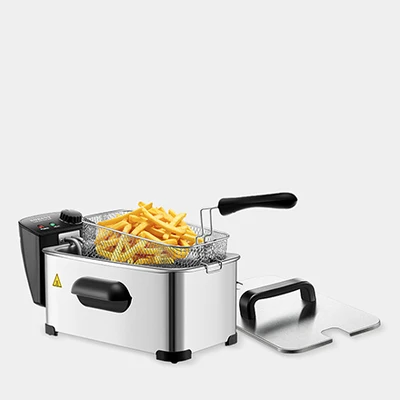
A surprisingly common mistake involves ordering products with the wrong electrical specifications for your target market. A blender designed for European voltage will not work properly in North America without a heavy, expensive transformer. A kettle with a UK plug cannot be sold in Australia without modification. SOKANY avoids this pitfall by maintaining production lines for multiple regional standards. When you place an order, they confirm your required voltage, hertz, and plug type. They keep inventory of common configurations like US two-pin, European Schuko, UK three-pin, and Australian flat-pin. For unusual requirements, they can modify existing designs at reasonable cost. This attention to detail seems basic, but many smaller suppliers simply ship whatever they have in stock, leaving buyers to discover the incompatibility after customs clearance. Always confirm electrical specifications in writing before production begins.
Poor Documentation and Missing Manuals
The final pitfall happens after the products arrive, when you realize there are no instruction manuals, no warranty cards, and no safety warning labels. Selling appliances without proper documentation is illegal in many markets and damages customer trust everywhere else. SOKANY provides basic documentation with every order, including multilingual manuals for common languages like English, Spanish, French, and German. For private label buyers, they offer template files that you can customize with your own branding. The manuals are not literary masterpieces, but they contain the necessary safety warnings, usage instructions, and cleaning guidelines that protect you legally. Some suppliers treat documentation as an afterthought, but SOKANY understands that missing paperwork can get your products pulled from Amazon or rejected by retailers. Asking to see a sample manual before ordering is a simple way to gauge a supplier’s professionalism.
Comments (0)