


Understanding Tooth Damage and Restorative Dental Solutions
Tooth damage may occur gradually or suddenly, depending on oral habits, accidents, or untreated decay. When the structure of a tooth becomes compromised, simple fillings may not be enough. Restorative dental solutions such as crowns and bridges are designed to rebuild strength and restore alignment. Dental Crowns and Bridges in Dubai typically cover a weakened tooth, while bridges replace one or more missing teeth by anchoring to neighboring teeth. Together, they provide stability and help maintain the natural shape of the mouth.
Who May Need Restorative Tooth Support After Damage
Individuals experiencing broken, cracked, or severely worn teeth are often considered suitable candidates for restorative treatment. People with missing teeth that affect chewing or speech may also benefit from these solutions. In many cases, teeth that have undergone root canal treatment may require additional reinforcement to prevent further damage. When multiple teeth are involved, bridges help maintain balance by filling the gaps and preventing surrounding teeth from shifting out of position.
Common Causes of Tooth Structural Damage
Tooth damage can result from several everyday factors. Hard biting forces, accidental injuries, or long-term grinding can weaken enamel and underlying structures. Poor oral hygiene may lead to decay that gradually spreads, making teeth fragile. Age-related wear is another common reason, as teeth naturally lose strength over time. In some cases, large fillings that no longer support the tooth structure may also lead to fractures or breakage.
How Dental Crowns Help Restore Strength
Crowns are protective coverings designed to fully encase a damaged tooth. They help restore shape, size, and strength, allowing the tooth to function like a natural one again. Once placed, a crown distributes biting pressure evenly, reducing the risk of further fracture. This makes it especially useful for teeth that are weakened but still present in the mouth. Crowns are also valued for their ability to blend with surrounding teeth, maintaining a natural appearance while offering strong reinforcement.
How Dental Bridges Replace Missing Teeth
Bridges are used when one or more teeth are missing, creating gaps that may affect oral function. A bridge works by anchoring an artificial tooth between two supporting teeth. This helps restore balance in the bite and prevents nearby teeth from shifting. Over time, gaps in the mouth can lead to alignment issues, and bridges help prevent such complications. They also assist in improving chewing efficiency and restoring a more complete smile structure.
Benefits of Restorative Dental Solutions
Restorative treatments offer several advantages beyond appearance. They help improve oral function, making it easier to chew and speak comfortably. They also support facial structure by preventing sagging caused by missing teeth. Another important benefit is the protection of remaining teeth, as crowns and bridges distribute pressure evenly across the mouth. This helps reduce excessive strain on individual teeth and contributes to overall oral stability.
What to Expect During the Restoration Process
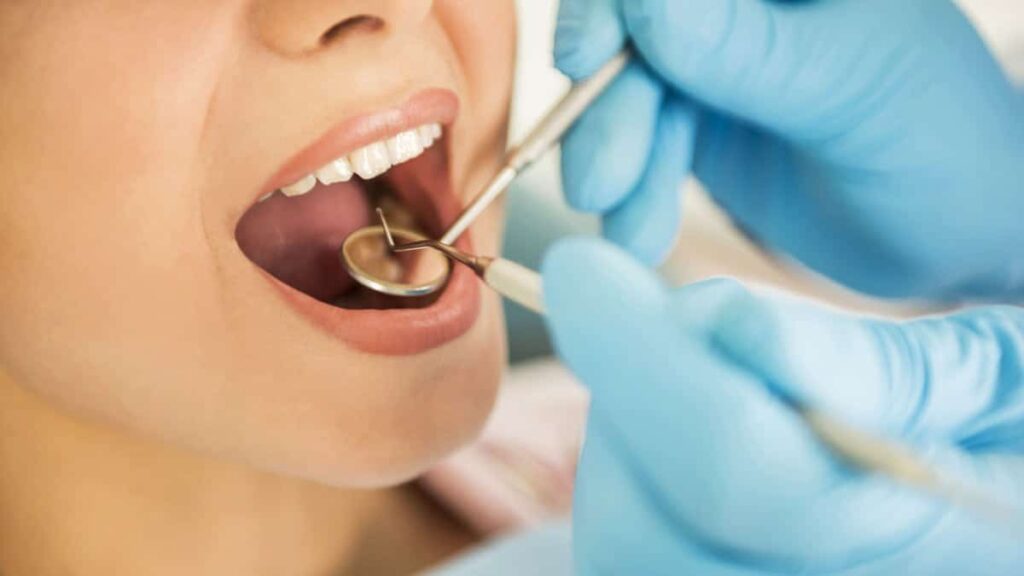
The restoration process usually begins with an assessment of the affected teeth to determine the most suitable solution. The damaged tooth is then prepared to ensure a proper fit for the crown or bridge. Impressions are taken to create a precise match, ensuring comfort and natural alignment. Once the restoration is ready, it is carefully placed and adjusted for proper bite and function. The goal is to restore both appearance and performance in a seamless manner.
Maintenance of Restored Teeth
Maintaining restored teeth involves consistent oral hygiene practices. Regular brushing and cleaning help preserve the condition of crowns and bridges while protecting surrounding teeth. Avoiding excessive pressure on restored areas also supports long-term durability. Routine dental evaluations ensure that any minor adjustments can be made early, helping maintain comfort and function over time.
FAQs
Why are crowns recommended after severe tooth damage?
Crowns are often suggested when a tooth is too weak to function independently. They provide full coverage and reinforce the structure, preventing further breakage while restoring normal use.
Can bridges help when multiple teeth are missing?
Yes, bridges are designed to replace one or more missing teeth. They restore spacing, improve chewing ability, and help maintain proper alignment of surrounding teeth.
Do crowns and bridges feel natural after placement?
Most individuals adapt quickly, as these restorations are designed to match natural teeth in shape and function. Over time, they become a comfortable part of daily oral use.
How long do restorative treatments typically last?
With proper care and hygiene, crowns and bridges can last for many years. Their longevity depends on oral habits and regular maintenance practices.
Conclusion
Restorative dental Crown and bridge care offers a dependable way to rebuild damaged or missing teeth, helping individuals regain normal function and a natural smile. Crowns strengthen weakened teeth, while bridges replace gaps to maintain balance and alignment. Together, these solutions support long-term oral stability and improved daily comfort. With proper understanding and timely attention, individuals can maintain healthier teeth structure and enjoy better overall oral well-being through well-planned restorative approaches.
Comments (0)