Archaeology breakthrough: 1,200-year-old coin found in Norfolk links Vikings to Jesus in stunning discovery
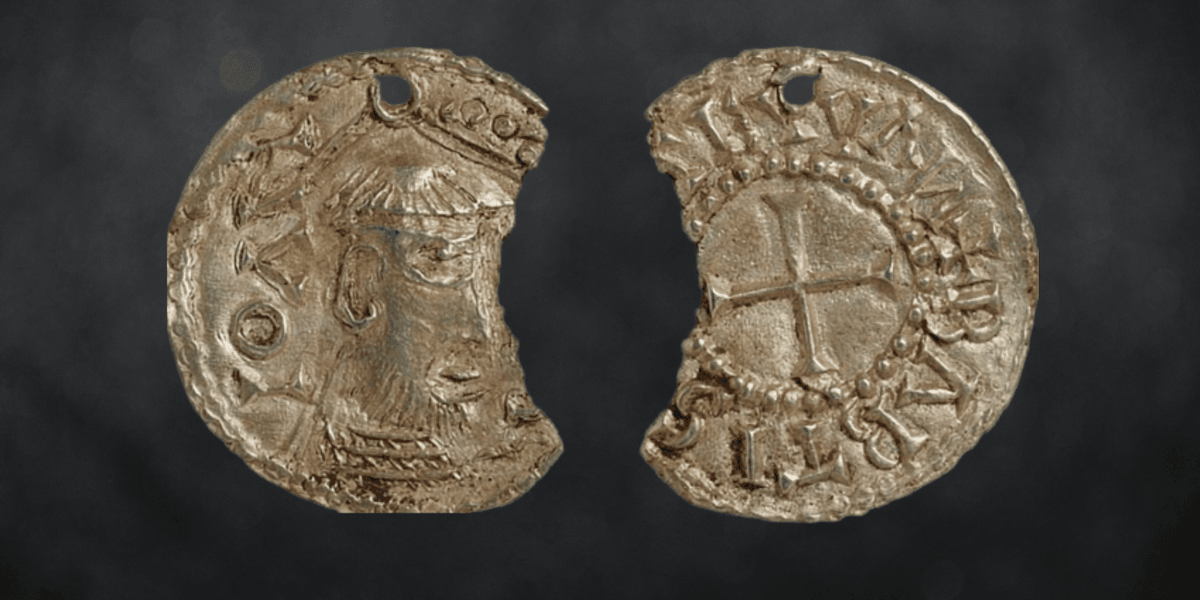
Scientists have been left stunned after a 1,200-year-old coin discovered in Norfolk appeared to link Viking-era Britain to early Christianity.The rare gold coin, later turned into a pendant, dates from the 860s to 870s AD - during the Viking conquest of East Anglia.What makes the find extraordinary is its imagery - a bearded figure alongside the Latin abbreviation “IOAN”, meaning John.Experts examining the reverse also identified a partial inscription translating to “Baptist and Evangelist”, indicating the figure is likely Saint John the Baptist.The pendant is believed to be the first known Western European coin or piece of jewellery from the period to depict the biblical figure - raising fresh questions about when Vikings first encountered Christianity.Coin historian Dr Simon Coupland said the discovery was unlike anything previously seen.Speaking to the BBC, he said: “A figure of John the Baptist on a coin is so unusual and remarkable - I don't know of another John the Baptist from the Carolingian period; it's bizarre - it's not like anything else I know.”Dr Coupland added that similar gold coins were typically produced by Scandinavians, who were not Christian at the time.The rare gold coin, later turned into a pendant, dates from the 860s to 870s AD | NORFOLK COUNTY COUNCIL“These imitations of gold solidus tend to be made by Scandinavians, who are not Christian at this point - so what are they doing depicting John the Baptist?” he said.Historians have long believed Vikings arrived in Britain as pagans, worshipping Norse gods such as Odin and Thor.The widely accepted view is that large-scale conversion to Christianity only began in the 10th century, after many Vikings settled permanently.However, the discovery suggests links between Viking society and Christian belief may have emerged decades earlier than previously thought.
REMARKABLE FINDS - READ THE LATEST:
'A figure of John the Baptist on a coin is so unusual and remarkable,' Dr Coupland said | GETTYWhile the coin does not prove Vikings had converted, it points to a previously underappreciated level of contact between the two worlds.Experts say the object may reflect cultural exchange, trade or even looted items - but its existence still challenges established timelines.The find adds to a growing number of discoveries reshaping understanding of early Christianity.In 2024, researchers uncovered a 1,800-year-old silver amulet near Frankfurt bearing Latin text referring to Jesus as the son of God - pushing back confirmed Christian presence north of the Alps by up to a century.Historians have long believed Vikings arrived in Britain as pagans | GETTYViking raids on Britain began in 793, most notably with the attack on Lindisfarne.The conflict escalated in 865 with the arrival of the Great Heathen Army from Scandinavia.The Vikings went on to capture several English kingdoms, including Northumberland and East Anglia.In 886, King Alfred of Wessex was forced to agree to the Danelaw, dividing England between Anglo-Saxon and Danish rule.









Comments (0)