
Remember me







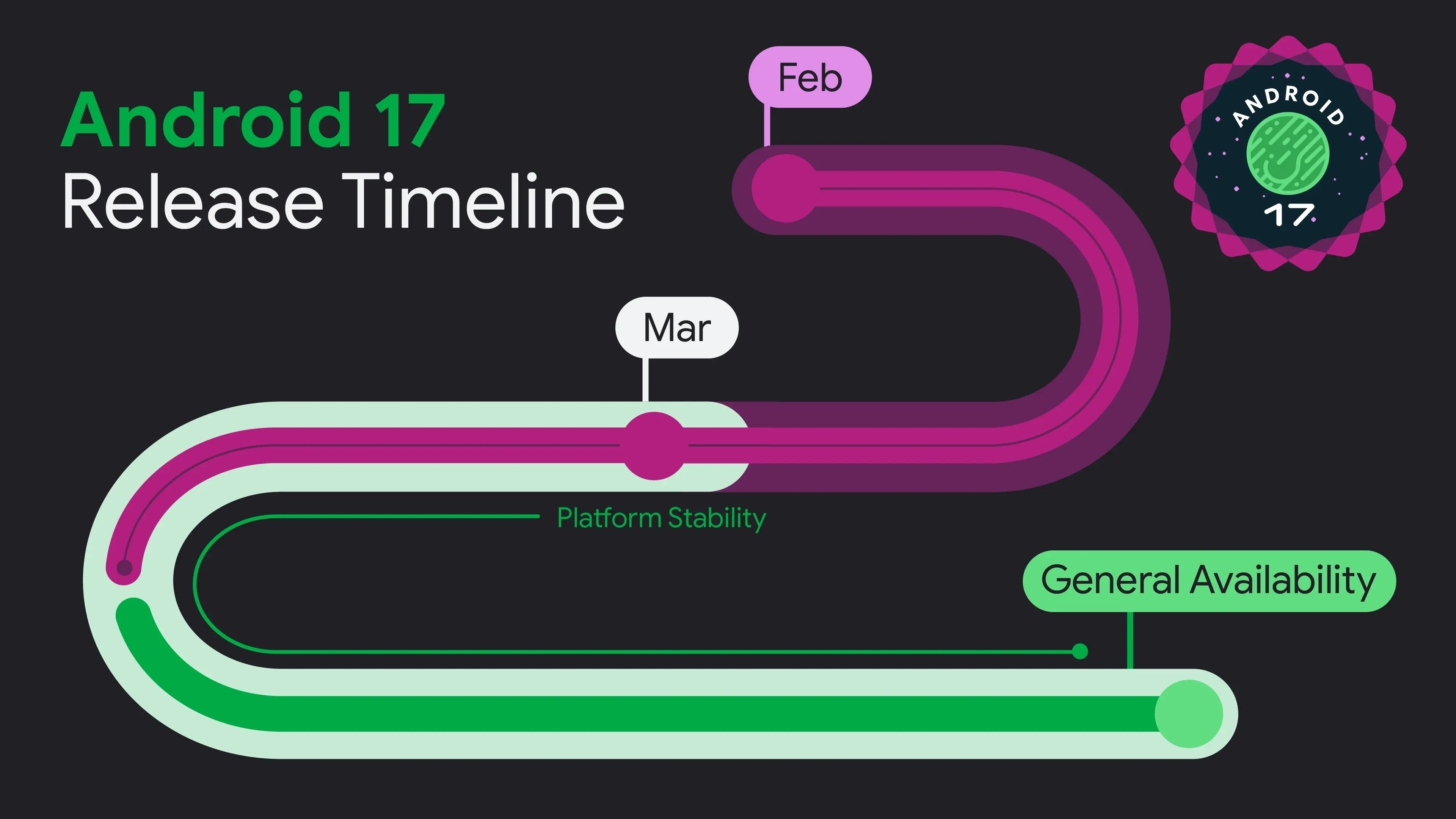
Google has just released the fourth and final beta of Android 17 and with it has begun enforcing strict hardware-level memory limits that will kill apps to preserve system stability. Other big changes include preventing devs from opting out of resizability and orientation constraints on large-screen devices, local network access now being blocked by default and requiring permission for persistent connectivity, and the movement toward quantum-safe security by integrating NIST-standardized cryptographic signatures into hardware.
According to the search giant, the final beta marks a stability schedule before it’s released to the public around June. This beta is an excellent time for developers to ensure their apps are Android 17-ready as there won’t be any big changes going forward.
The company said its big focus in this beta is to make Android more deterministic, where it can dictate resource boundaries, rather than developers. This beta introduces device-specific RAM limits and an anomaly detection service that allows Android to actively monitor and terminate apps that exceed the memory baselines Google has set. This will be good for users because it means developers will have to make any of their bloated apps more efficient, making devices run better.
Another big change for developers is that the opt-out compatibility for tablets and foldables in ending. This will force all apps to support resizability and aspect ratio changes. This will help push Android towards a more unified ecosystem where developers can’t ignore larger-screen devices.
Android 17 will also boost security with Certificate Transparency and local network blocks now being set as the default These changes will ensure developers adopt privacy-preserving pickers and explicitly justify why they need network access, reducing the window for background data collection.
Regarding quantum-safe security, this update integrates the ML-DSA (Module-Lattice-Based Digital Signature Algorithm) into the Android Keystore, providing hardware-level security against future quantum computing threats. This feature provides no benefit right now, but prepares Android for the 2030s when quantum computers should be ready.
You can find out more about this beta on the Google Developers blog.