
Remember me

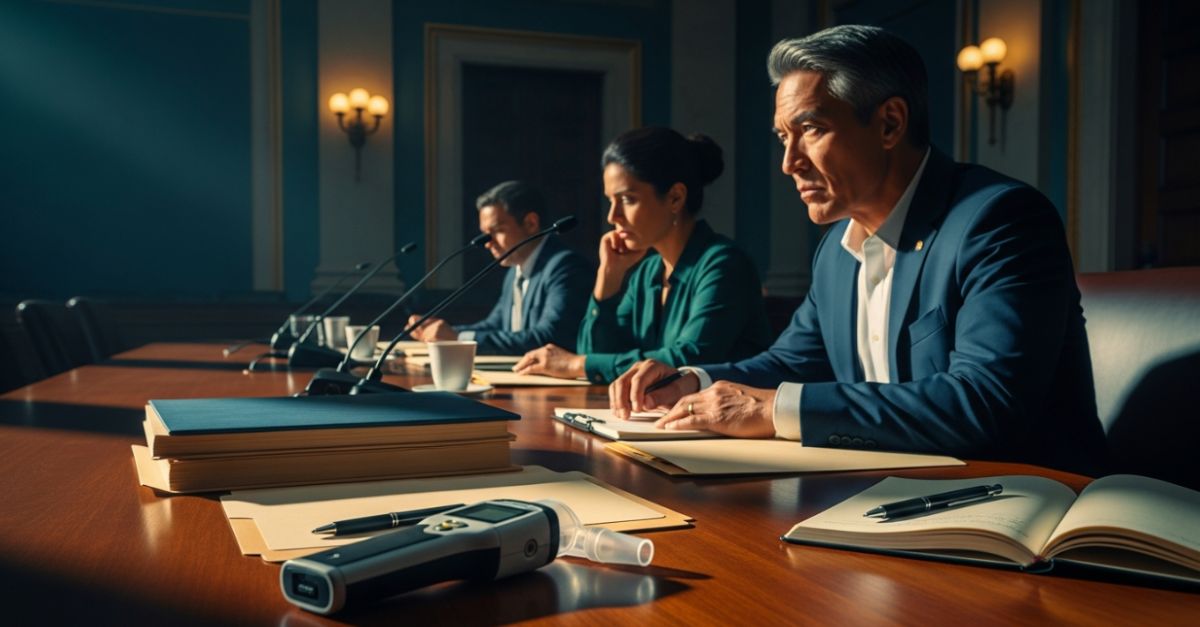
Image generated by Gemini.
In 2023, a crash outside Boulder, Colorado, killed 17-year-old U.S. National Team cyclist Magnus White. The driver, Yeva Smilianska, claimed she fell asleep at the wheel. What followed wasn't just a criminal case; it became the spark for a legislative battle that could reshape how Colorado investigates fatal crashes.
A Grieving Family's Fight for Answers
Magnus White was on a training ride, preparing for the upcoming world championships, when Smilianska's car veered across the highway shoulder and struck him. He died at the scene.
In the criminal proceedings that followed, Smilianska's defense leaned heavily on her claim that she'd "passed out" or fallen asleep. That created real ambiguity about whether she was impaired at the time. In 2025, she was convicted of vehicular homicide and sentenced to four years in prison. For the White family, the verdict brought some accountability, but it didn't resolve the question that haunted them most.
Was she intoxicated? No one could say for sure. Intoxication was neither confirmed nor ruled out at the scene, and it took nearly two years for the family to get any clarity on the circumstances of their son's death. Magnus's parents, Michael and Jill White, later testified before state lawmakers about that excruciating wait. Their message was simple: no other family should have to fight this hard for basic answers after losing a child.
Magnus' Law: Closing a Gap in Crash Investigations
That testimony helped fuel a bipartisan bill now known as "Magnus' Law." The proposal would require officers at any crash scene involving a fatality or serious injury to offer a voluntary breathalyzer test to all surviving drivers. Not a mandate. A voluntary screening designed to capture objective data in real time, before the window for detecting impairment closes.
Sen. John Carson, one of the bill's sponsors, put it bluntly: "If a driver has killed a person at the scene of a crash, we need to be absolutely certain that the driver was not intoxicated."
Here's what the bill would actually do:
Require officers to offer a voluntary preliminary alcohol screening (PAS) test at serious crash scenes Apply specifically to incidents involving death or serious bodily injury Gather immediate, objective evidence about potential impairment Preserve due process by keeping the test entirely voluntarySo far, the momentum is strong. The bill passed unanimously at the Senate Judiciary Committee, signaling broad bipartisan agreement that this gap in investigative procedure needs to be closed.
Criminal Charges vs. Civil Justice
A criminal conviction isn't the end of the legal story. Families dealing with a fatal crash often don't realize they can pursue a completely separate civil case. The two serve very different purposes, and understanding the distinction matters.
Criminal Vehicular Homicide Case: In a criminal vehicular homicide case, the primary goal is to punish the offender for a crime against the state. The case is filed by local or state prosecutors, such as a district attorney, and the burden of proof is "beyond a reasonable doubt" — a high standard. Potential outcomes include prison, fines, and probation.
Civil Wrongful Death Lawsuit: In a criminal vehicular homicide case, the primary goal is to compensate the victim's family for their losses. The case is filed by the victim's estate or surviving family members, and the burden of proof is the lower standard of a "preponderance of the evidence." The potential outcome is monetary damages, such as medical bills, lost income, and pain and suffering.
Why Civil Claims Matter for Families
While the state handles criminal prosecution, the family is often left to navigate civil claims on its own. That process can be overwhelming, especially while grieving. A Colorado car accident attorney can take on much of that burden, from investigating the crash and proving negligence to calculating the full scope of damages, including funeral costs, lost future income, and the emotional devastation of losing someone important.
These civil cases aren't about punishing a driver twice. They're about securing financial stability for families whose lives have been upended. And when insurance companies try to minimize payouts (which they almost always do), having an experienced attorney in your corner makes a real difference long after the criminal trial has wrapped up.
A Demand for Accountability on Colorado's Roads
Magnus White's death exposed a procedural blind spot in how Colorado investigates fatal crashes. His story turned a private tragedy into a statewide push for reform. And the urgency is hard to ignore: the Colorado Department of Transportation reported 684 traffic deaths on state roads in 2024.
"Magnus' Law" isn't just a procedural tweak. It's a statement from families, safety advocates, and lawmakers that when someone dies on the road, every possible factor should be investigated. Every family deserves real answers, not ambiguity.
Members of the editorial and news staff of Law&Crime were not involved in the creation of this content.