Germany is seeing the energy shock playing out as a hit both to growth and inflation
Published Sat, Apr 25, 2026 · 10:53 AM
[FRANKFURT] Eurozone inflation probably jumped in April to the highest in 2½ years as fallout from the Iran war squeezed economies across the currency area.
Annual price growth of 3 per cent is what analysts now forecast for data scheduled to arrive on Thursday (Apr 30), according to the median of 28 predictions. That would intensify the pressure on consumers after a jump in March that was the most since the 2022 outbreak of war in Ukraine.
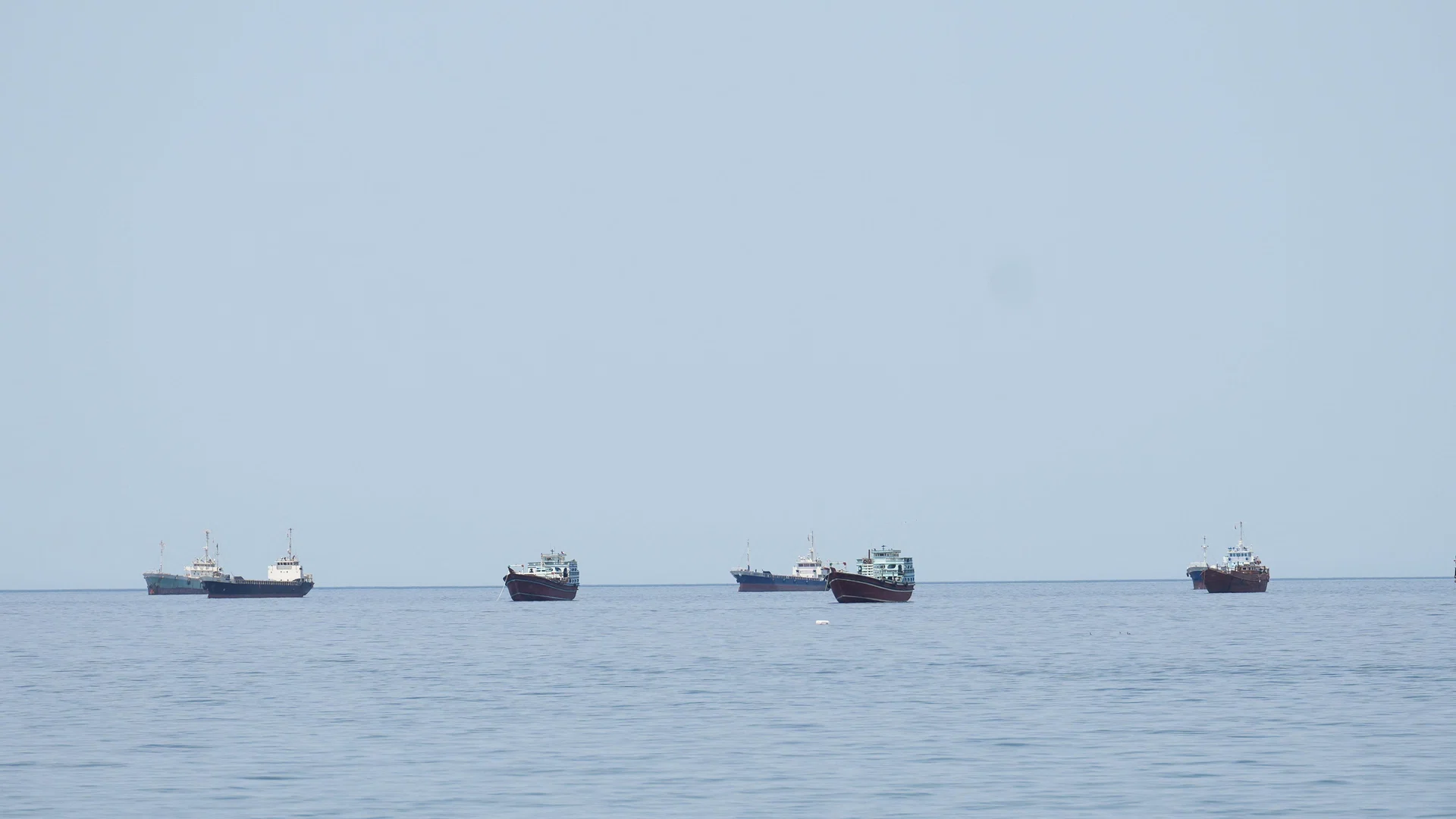
The new reading would be a whole percentage point above the European Central Bank’s 2 per cent goal, underscoring how sharply the Middle East conflict, and the snarl-up of energy supplies centred on the Strait of Hormuz, is impacting households and businesses in the eurozone.
The outcome will arrive just hours before the latest decision of policymakers in Frankfurt, when they may hold off on an interest-rate hike in tandem with peers from across the Group of Seven. Eurozone officials want to avoid a move before their June meeting, when new quarterly forecasts will be available to them.
As with the rest of the region, Germany – Europe’s biggest economy – is seeing the energy shock playing out as a hit both to growth and inflation.
Its own price gauge due on Wednesday may show an annual increase of 3.1 per cent, while growth is seen to have slowed to 0.2 per cent in the first quarter, which ended with the first month of war. Those latter data come on Thursday, though they may prove only a prelude before the full impact of the conflict hits the economy.
Navigate Asia in
a new global order
Get the insights delivered to your inbox.
“It’s a textbook case of stagflation,” Clemens Fuest, president of Germany’s Ifo institute, said on Friday, who added that the central bank response is not easy to tailor. “They now face the trade-off between letting inflation happen and making the downturn worse by increasing interest rates.”
For the region as a whole, the gross domestic product numbers, also due for Thursday, may reveal expansion holding at 0.2 per cent during the first quarter. Along with Germany, every major economy in the eurozone is expected to have shown growth, led as usual by Spain. BLOOMBERG
Decoding Asia newsletter: your guide to navigating Asia in a new global order. Sign up here to get Decoding Asia newsletter. Delivered to your inbox. Free.