US Immigration Scams Rise: Fake Lawyers Pose as Officials in Fake Court Hearings to Steal Up to $11,000
Scammers posing as US immigration officials are targeting vulnerable migrants, staging fake court hearings and demanding between $1,300 and $11,000 in fraudulent fees. The scheme leans heavily on fear, with threats of deportation used to push people into paying quickly.Victims are often contacted by people claiming to be lawyers or government officers. They are told they are in serious legal trouble and must act immediately to avoid arrest or removal from the United States.The growing number of cases has alarmed authorities and advocacy groups. It also points to a deeper problem, where fear and uncertainty leave thousands of foreign nationals exposed to exploitation.Staged Fake Hearings, Fake Law Firms, Real LossesThe scam often starts with a call or message that looks and sounds official. Victims are told they missed a court date or failed to submit documents.They are then asked to join what appears to be a virtual hearing. In reality, it is staged by fraudsters who copy legal procedures and apply pressure until victims agree to pay large sums.In one case, 61 year old Venezuelan immigrant González Silvera was simply trying to seek advice but ended up caught in immigration fraud. Silvera said she was looking for legal help for a family member held at an immigration detention centre in Arizona.
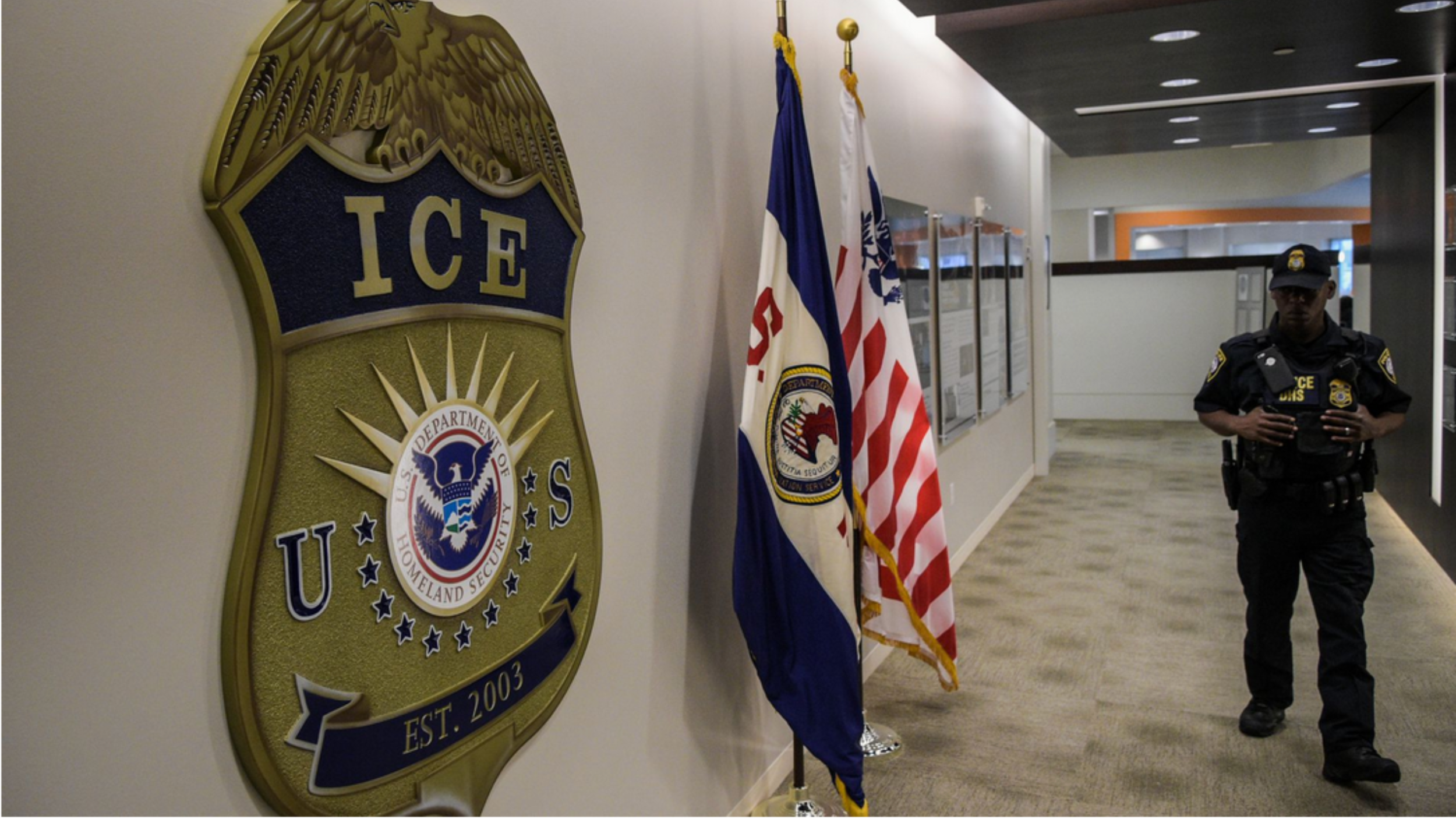
She came across a law firm called 'Berman and Associates' on Facebook, where an attorney named Enrique De Jesus Duarte claimed he could secure the release of her relative 'within a maximum of 15 days.' It all seemed legitimate at first.However, legal and immigration experts have warned that schemes like this, especially those spread through social media platforms, have become more common as immigration arrests and detentions increased under US President Donald Trump's administration.According to NBC News, some victims have lost between $1,300 and $11,000 through electronic transfers after being persuaded by law firms posing as genuine legal experts. The scammers rely on urgency and fear to prevent people from stopping to question what is happening.Officials from agencies such as the US Citizenship and Immigration Services and Immigration and Customs Enforcement have stressed that real government bodies do not ask for payments in this way.Still, for many, the fear feels real enough to comply.Why Fear Makes Easy TargetsDeportation remains one of the strongest fears among undocumented migrants and even those with legal status. That fear creates a situation where panic can take over.Scammers know this. They use official sounding language, legal terms and threats of detention to make their claims convincing.Many victims do not report what happened. Some worry it could affect their immigration status, while others feel embarrassed or unsure of what to do next.That silence allows the scam to continue. It also makes it harder for authorities to understand how widespread the problem really is.Thousands Affected, Few Speak OutThe damage goes beyond individual cases. Entire communities feel the impact as trust begins to weaken.As reported by The Sumter Item, immigration scams have affected thousands of foreign nationals across the United States. Many lose money they had set aside for legal fees, housing or to support their families.The financial loss is often matched by emotional strain. Victims speak of sleepless nights, anxiety and an ongoing fear of authority.Advocates say these scams thrive in places where reliable information is hard to access. Language barriers and limited legal support make it difficult for migrants to check whether claims are genuine.In some cases, people only realise they have been deceived when it is already too late.A Deeper Fear Among Those Who ServedThe anxiety is not limited to undocumented migrants. Even immigrant veterans who have served in the US military face uncertainty about their status.Some veterans worry about being removed despite their service, adding another layer of vulnerability within immigrant communities, Al Jazeera reported.Their experiences highlight a difficult reality. Serving the country does not always guarantee security within it.Trust Under PressureThe rise of fake immigration schemes reflects more than criminal behaviour. It points to a fragile system where trust can break down quickly.Authorities continue to urge migrants to verify legal claims and avoid making payments outside official channels. Community groups are also working to raise awareness.Even so, the harm continues. Each new case adds to the sense that safety is not guaranteed.For many immigrants, it is becoming harder to tell the difference between real and fake authority. In that uncertainty, scammers continue to find opportunities.







Comments (0)