
Remember me


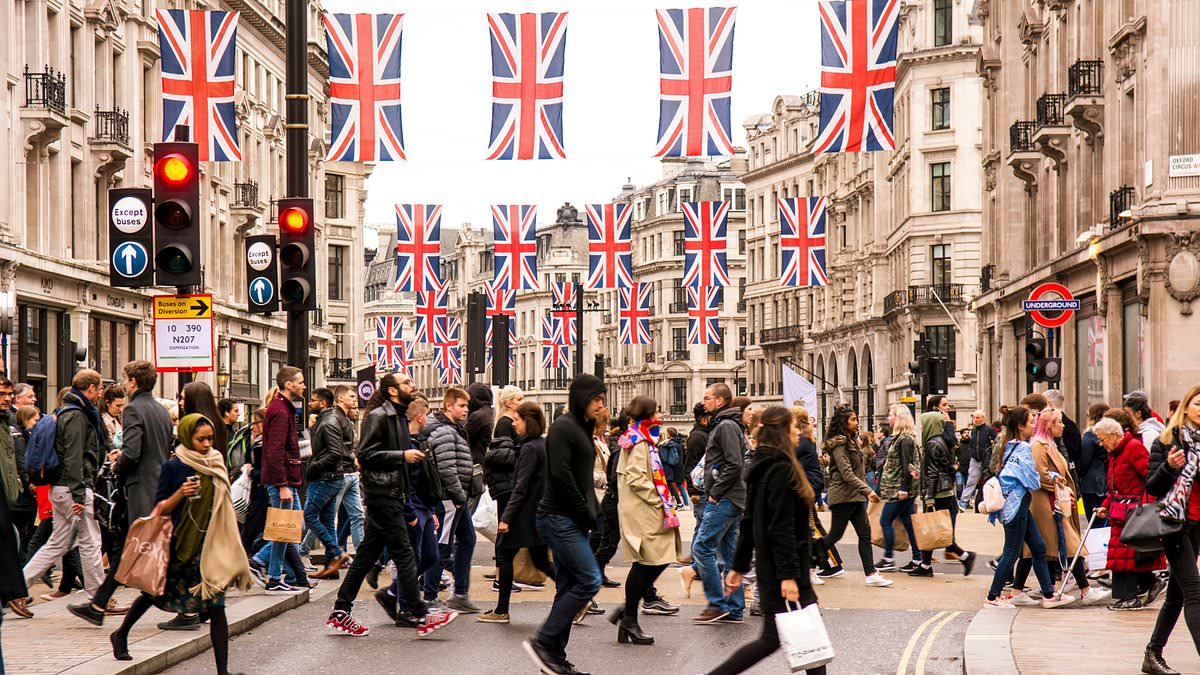
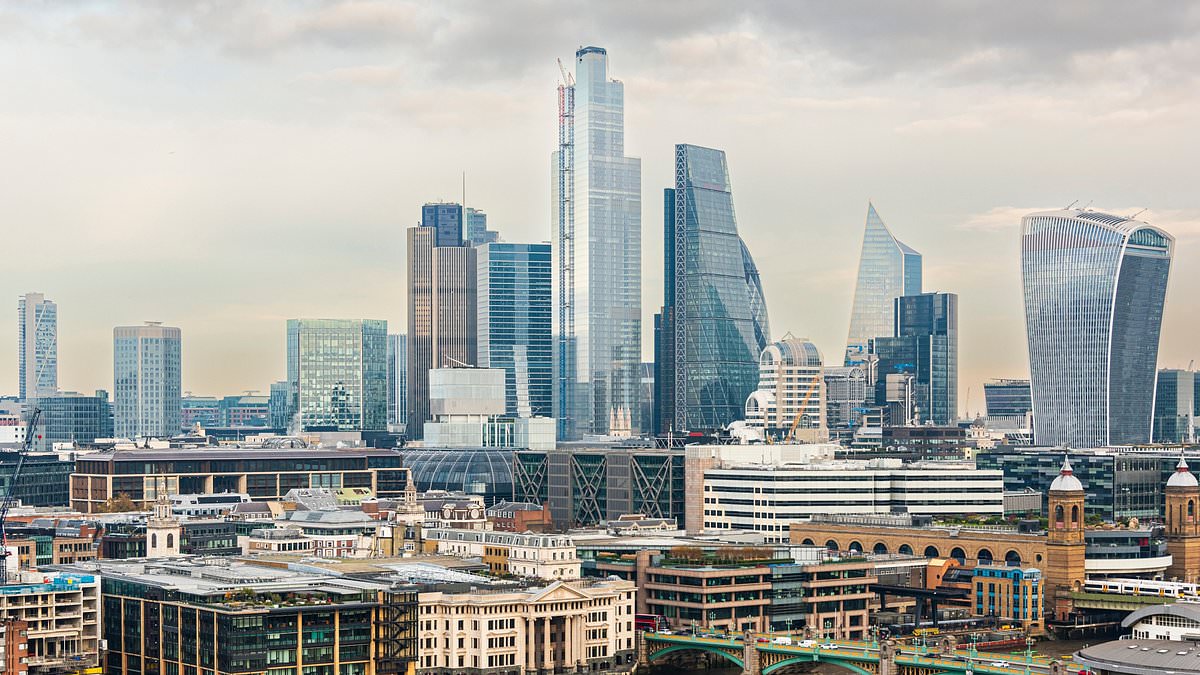
The business rates system is a ‘growth killer’ that taxes ambition and acts as ‘a major brake on investment’, industry leaders have warned.
In a hard-hitting report, the CBI said the levy on commercial property ‘is clearly not fit for purpose in a competitive, modern economy’.
And in a message to Rachel Reeves, it said reforming the tax ‘is no longer and nice to do’ but ‘an economic necessity’.
The report came as analysis by accountancy group UHY Hacker Young found national insurance bills paid by employers jumped by £28billion or 24 per cent last year after the Chancellor raised the tax rate in her first Budget.
‘It’s now fairly widely recognised that the level of tax in the UK has got too high,’ said Phil Kinzett-Evans, a partner at UHY Hacker Young.
‘Businesses need to see a sensible economic plan that sees a reduction in the business tax burden.’

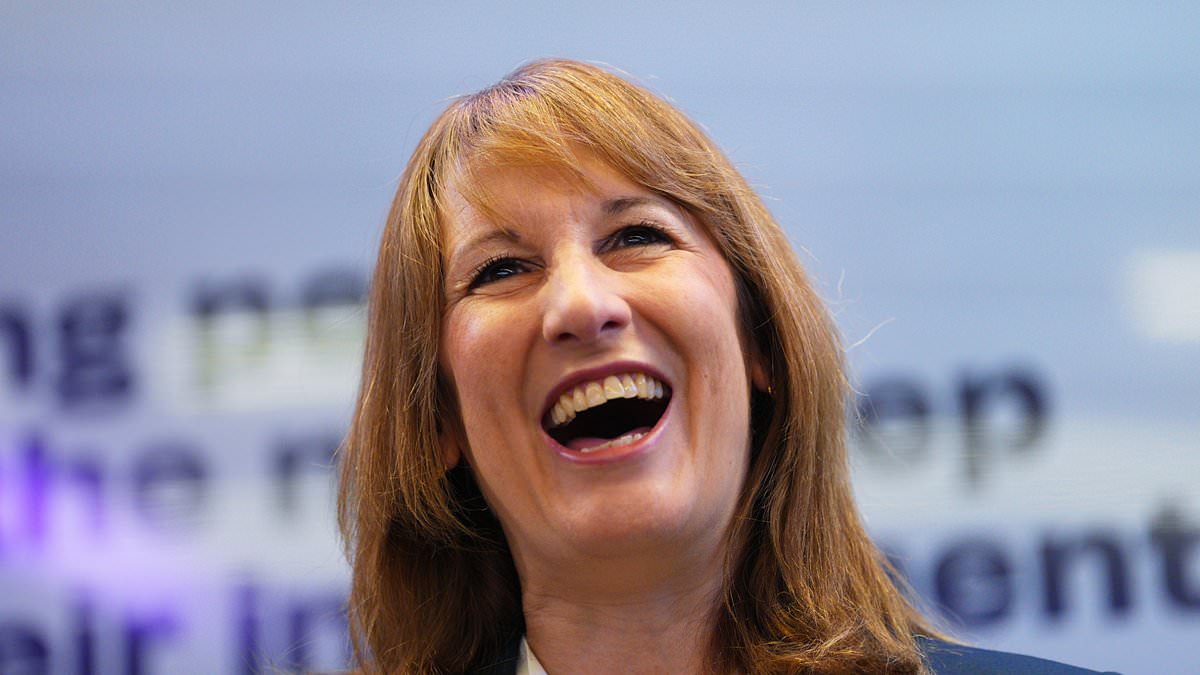
Chancellor Rachel Reeves is facing a backlash over a string of tax hikes
The Chancellor has faced an ongoing backlash over a string of tax hikes since taking office – with the national insurance raid and her botched business rates shake-up proving to be particularly controversial.
Since becoming Chancellor in July 2024, she has imposed an astonishing £75billion a year of extra tax on Britons, with much of it spent on spiralling welfare costs.
A report by the International Monetary Fund this month found taxes in the UK are rising faster than in any other developed nation under Labour.
Reeves was forced into a partial climbdown on the business rates bill facing pubs after landlords barred Labour MPs from their locals in protest over the soaring bills.
But other sectors have also been hammered with manufacturers, warehouses and supermarkets as well as shops, cafes and restaurants among those feeling the pain.
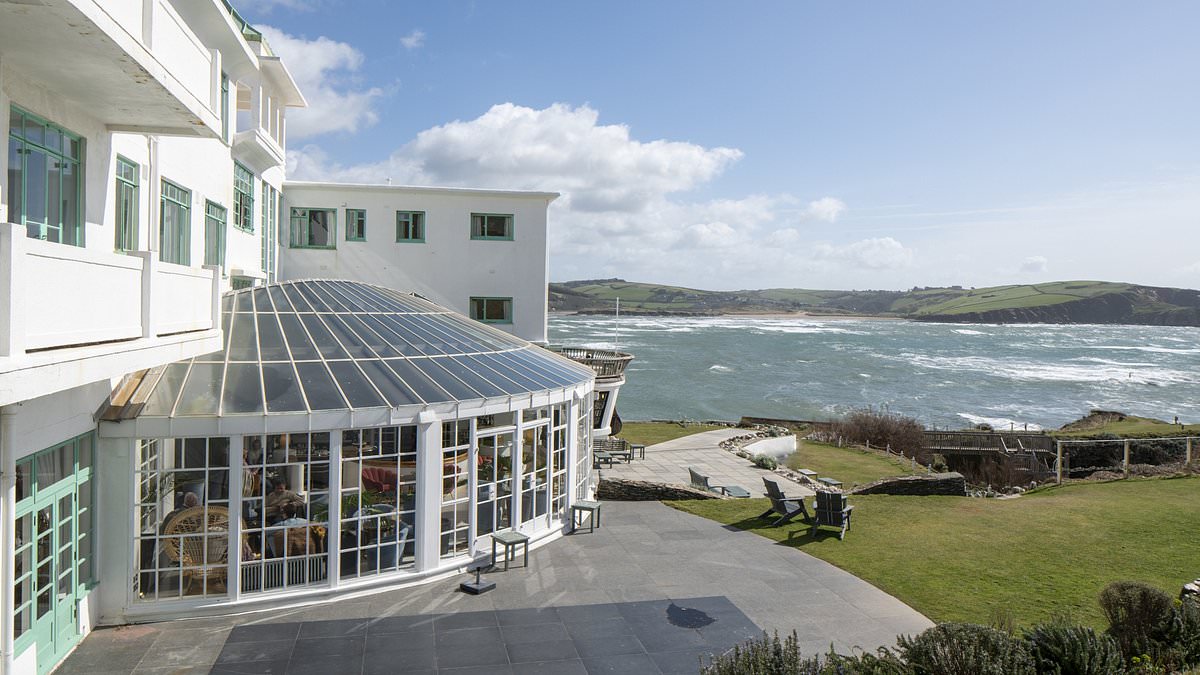
And the average business rates bill for hotels will rise 115 per cent over the next three years or a total of £205,200, according to trade body UK Hospitality.
Unveiling the results of a survey of nearly 700 firms across the UK, the CBI said ‘the current business rates system is acting as a major brake on investment, productivity and economic growth’.
Just under a third of respondents, some 32 per cent, said they have cancelled, reduced or delayed investment in their properties because of the business rates system.
And 30 per cent said they would reinvest at least £9 in every £10 saved from lower business rates.
CBI chief economist Louise Hellem said: ‘Business rates are no longer just a cost of doing business – they’re a major tax on ambition and one that effectively penalises investment.
‘When a single refurbishment can trigger a 40 per cent increase in rateable value, or a £1 change can move a firm from one band to another and add £39,000 to their bill, the system is clearly not fit for purpose in a competitive, modern economy.
‘That uncertainty is a growth killer, with vital projects being delayed, scaled back or cancelled. Businesses are clear that, if the burden of business rates were reduced, savings would be reinvested productively across the economy. Without reform, we’re missing out on huge economic gains, stifling better transport connections for everyone, and putting a lid on much-needed job creation and training opportunities.’
She added: ‘Reform of the business rates system is no longer a “nice to do”, it’s an economic necessity. If we want to unlock private investment, level up local economies and support the UK’s long term growth ambitions, there’s simply no time to wait.’
Elliot Vure, sales director at specialist property lender Together, said rising business rates bills have resulted in ‘a lessening in appetite for expansion and slower growth across the board’.
He added: ‘This risks stymying the growth of the economy the government so desperately covets and makes things harder for businesses at a time when consumer confidence is low and inflationary pressures are rebounding.’
Businesses are also grappling with soaring national insurance contributions (NICs) after Reeves raised the main rate paid by firms from 13.8 per cent to 15 per cent in April last year.
The tax raised £144billion over the following 12 months – up from £116billion the previous year.
The £28billion increase is more than the £24billion pencilled in by the government when the tax hike was announced, with Kinzett-Evans saying only part of that due to wage inflation.
With public sector employers receiving £5billion of assistance from the government to help cover their extra costs, he said ‘the private sector is being left to deal with the problem by cutting staff or increasing prices’.
Kinzett-Evans said: ‘The increase in NICs has caused real pain for UK businesses and I’m not sure that the policymakers recognised or admitted this when they increased the tax.
‘There have been a raft of redundancies announced across the hospitality and retail sector which have been directly attributed to the increase in NICs. In addition, the extra cost of NICs has slowed hiring.
‘It is also hitting employers at the same time as they face extra red tape and costs through the Employment Rights Act.’
AJ Bell
AJ Bell
Easy investing and ready-made portfolios
Hargreaves Lansdown
Hargreaves Lansdown
Free fund dealing and investment ideas

interactive investor
interactive investor
Flat-fee investing from £4.99 per month

Freetrade
Freetrade
Investing Isa now free on basic plan

Trading 212
Trading 212
Free share dealing and no account fee
Affiliate links: If you take out a product This is Money may earn a commission. These deals are chosen by our editorial team, as we think they are worth highlighting. This does not affect our editorial independence.
Compare the best investing account for you