
Remember me





The Kentucky Derby is a big event: months of training, organizing, and fancy-outfit selection lead up to arguably the most important horse race in the United States. And then, in about two minutes, it’s all over. A winner is garlanded with roses, the mint juleps are sucked dry, and many of us are left craving more: more equine athleticism, more drama, more racetrack culture. And because the Preakness and Belmont Stakes are not quite enough to sate that hunger, we’ve put together this list of movies and TV that are intended to be your carrots and bag of oats—the essential nutrients of your horse-related pop culture diet.
The Classics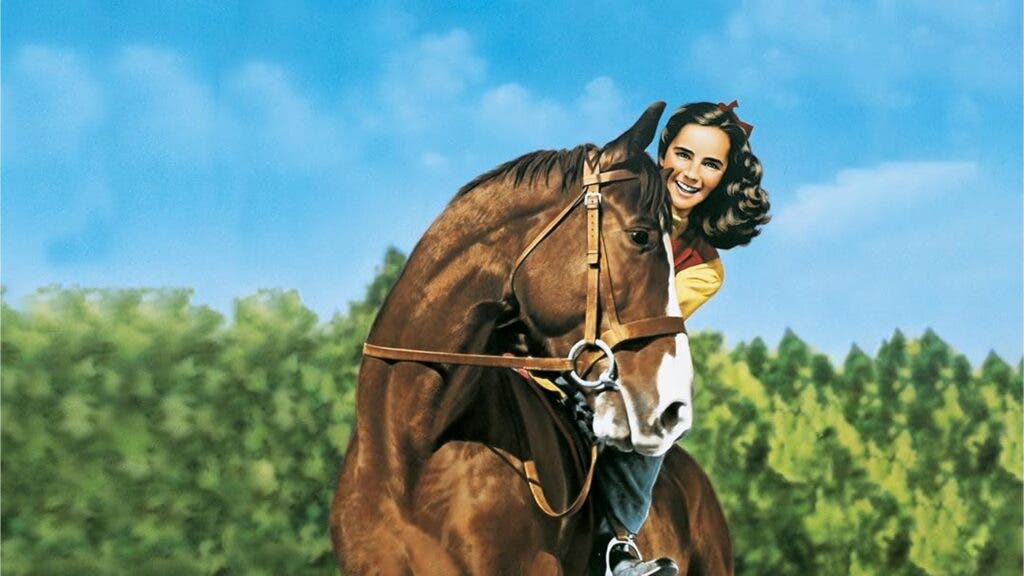 (: MGM)
National Velvet
(: MGM)
National Velvet
From the 1930s well into the 1950s, Hollywood produced dozens of movies about horses and racing, and smack in the middle of that came 1944’s National Velvet. Starring Elizabeth Taylor and Mickey Rooney, it’s the tale of 12-year-old Velvet (Taylor), who wins a horse in a raffle and dreams of competing with him in the Grand National steeplechase—then makes good on that dream. One of the most burnished and nostalgic movies of Hollywood’s Golden Age.
The Black StallionA boy marooned on a desert island befriends an Arabian stallion—and once they’re rescued, they set out to become racing champions. The story, based on the 1941 children’s novel, may be simple, but the cinematography by Caleb Deschanel (who also shot The Natural and The Right Stuff—and who fathered Emily and Zooey) and music by Carmine Coppola give the movie a romantic depth that elevates it to the plane of myth. It’s the ultimate idyll.
 (Photo: Universal)
Seabiscuit
(Photo: Universal)
Seabiscuit
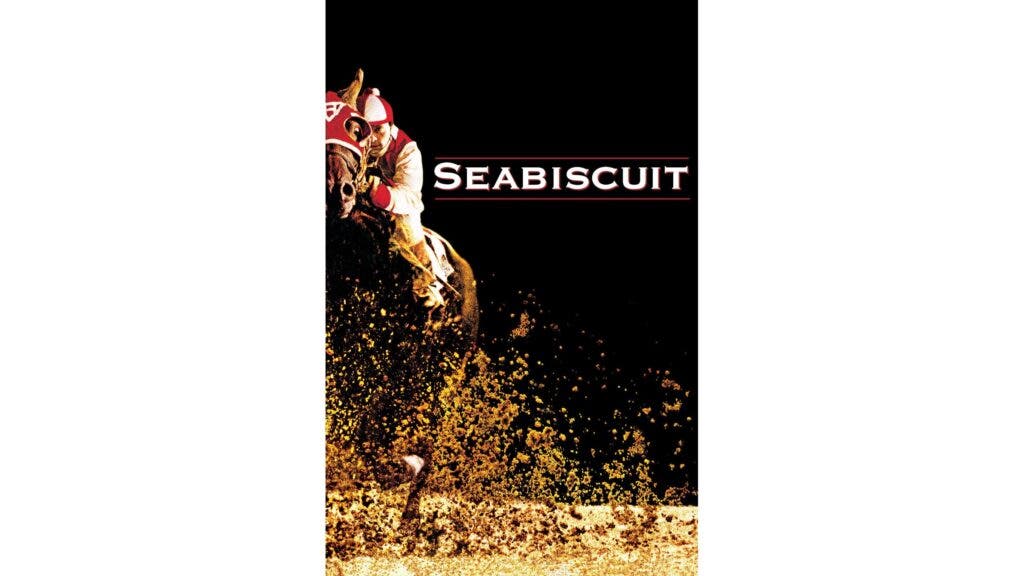
The Great Depression was, um, bad. Economic collapse and environmental collapse left millions of Americans without hope—until a thoroughbred named Seabiscuit, ridden by a half-blind jockey, began against all odds to win races. Based on the New York Times best-seller, Seabiscuit starred Tobey Maguire, Jeff Bridges, and Elizabeth Banks and was nominated for seven Oscars. In other words, it’s filmic Prozac.
At the Track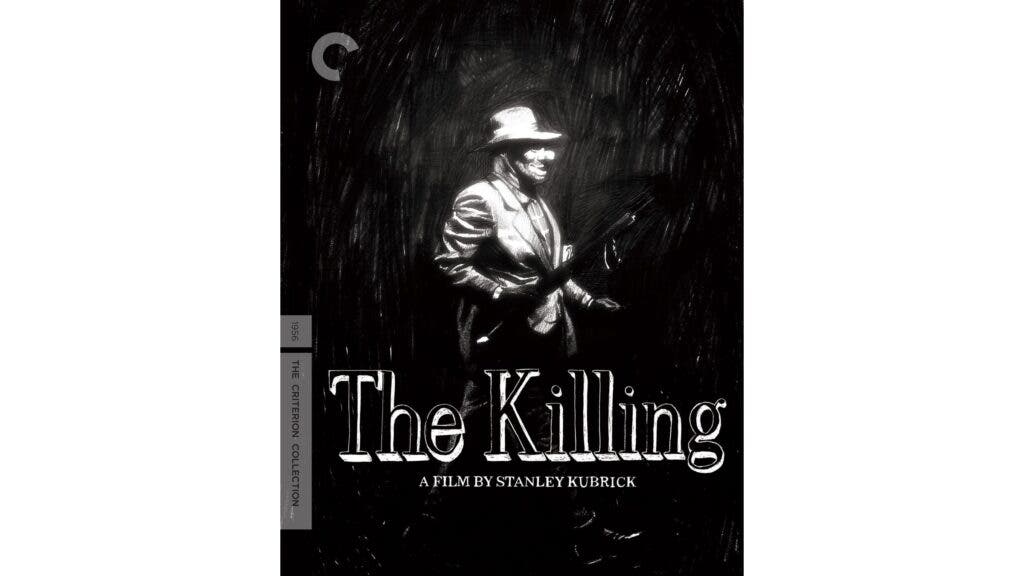 (Photo: Criterion)
The Killing
(Photo: Criterion)
The Killing
The pomp and drama of horse racing hide an open secret: There’s a lot of money to be made in the sport. Well, made—or stolen. The Killing (1956) tracks the planning and execution of a $2 million racetrack heist with the analytical noirishness that was becoming director Stanley Kubrick’s signature style. You can tell from the start things won’t go like clockwork, but exactly when and how they’ll turn awry? Place your bets, but just remember the game is rigged.
A Day at the RacesIt’s the Marx Brothers! At a racetrack! What more do you need to know? Groucho, Chico, and Harpo sow their unique brand of hilarious chaos with zingers a-plenty. Flo to Groucho: “I want you to hold me, hold me closer—closer—closer!” Groucho to Flo: “If I hold you any closer, I’ll be in back of you.”
 (Photo: Universal)
The Sting
(Photo: Universal)
The Sting
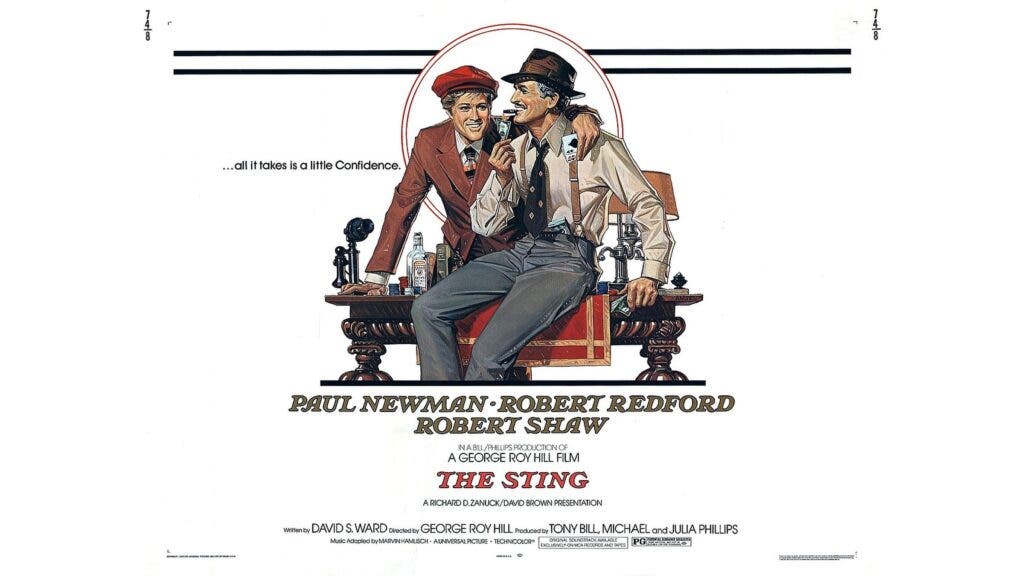
Like The Killing but OTB, The Sting follows the exploits of two conmen, played by Robert Redford and Paul Newman, as they try to grift a mob boss in 1936 Chicago. Again, not a lot of horses here, but so much of the action revolves around a fake off-track better room, and hinges on the precariously precise meanings of win and place. And Redford and Newman, both delights, are themselves the thoroughbreds of American film.
The Deep Cuts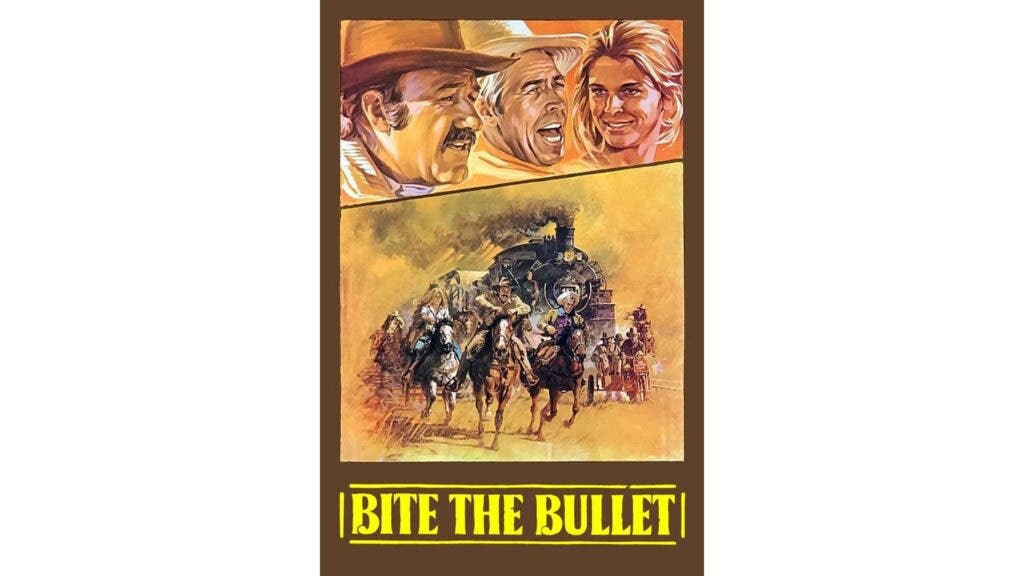 (Photo: Columbia)
Bite the Bullet
(Photo: Columbia)
Bite the Bullet
1906: The Old West is on its very last legs, transformed by railroads and about to be further transformed by the automobile. At this inflection point, a competition is held—a horse race across 700 miles of high desert and rough mountains. The prize: $2,000. The cowboys come out for it, and since they’re played by everyone from Gene Hackman and James Coburn to Candace Bergen and Jan-Michael Vincent, what could be a schlocky oater suddenly becomes a portrait of the Hollywood Western itself in transition.
 (Photo: 20th Century Fox)
Phar Lap
(Photo: 20th Century Fox)
Phar Lap
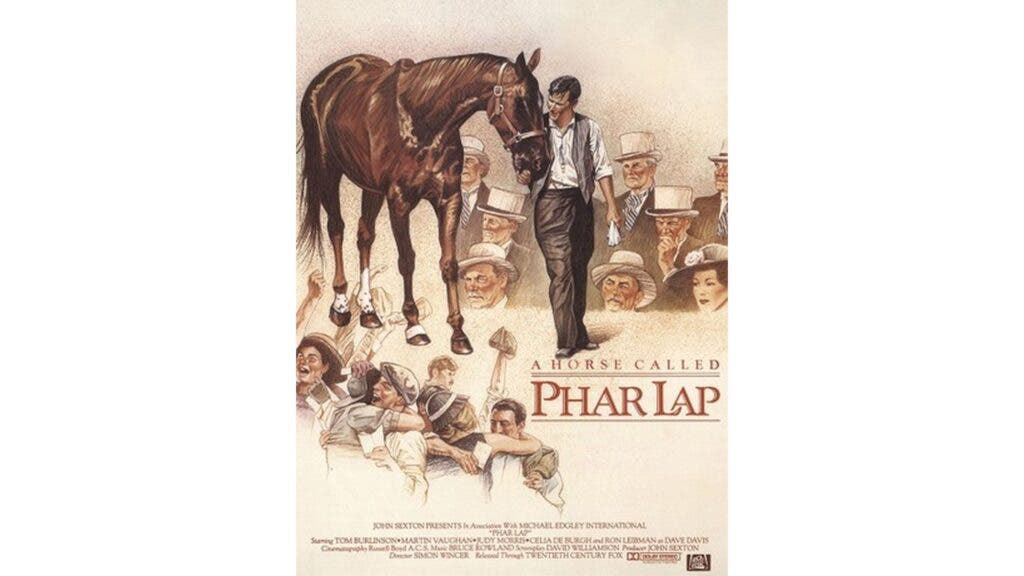
At first, the titular horse isn’t much to look at: small, slow, “a cross between a sheepdog and a kangaroo.” (They say that kind of thing all the time in Australia.) But from the late 1920s until 1932, under the loving and faithful care of his strapper, Tommy, Phar Lap transforms into a champion, not only winning races but surviving an assassination attempt. Can he maintain his champion’s edge at home, and translate it into success abroad? This is an underdog tale, so you probably know the answer already—or do you?
 (Photo: Disney)
The Horse in the Gray Flannel Suit
(Photo: Disney)
The Horse in the Gray Flannel Suit
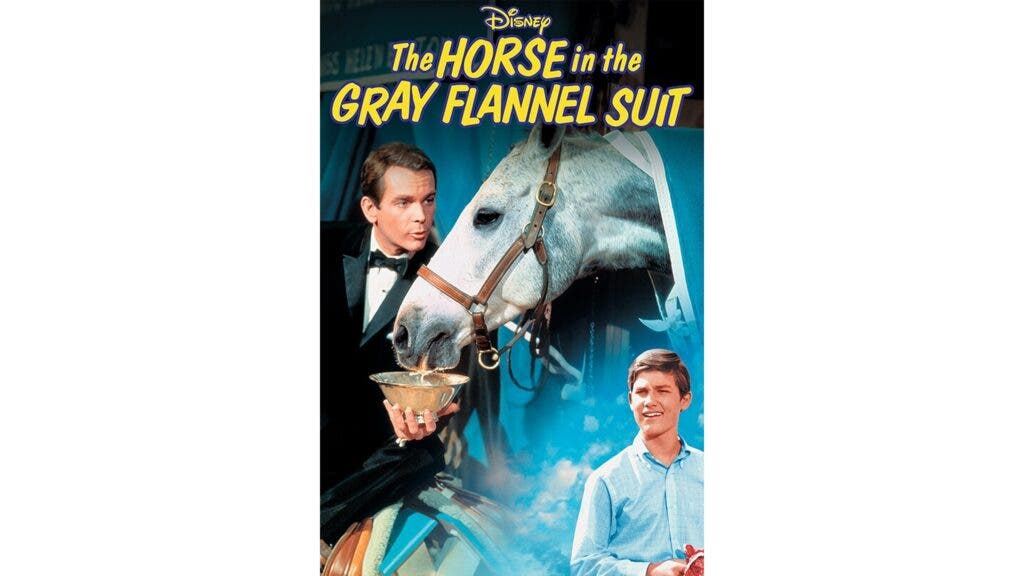
By the late 1960s, it’s safe to say, Hollywood had lost its way. Television was ascendant, the studio system was falling apart, and the youth counterculture was unpredictable. So, naturally, this is when Walt Disney Productions decided to make a movie about an ad executive with two problems: how to market a new indigestion drug called Aspercel, and how to please his daughter, who dreams of owning a horse. The answer is obvious. Buy her a horse, name it Aspercel, and garner mega-publicity when it wins ribbons at competition. (Duh.) Come for the dressage, stay for the bit part by a very young Kurt Russell, and pop a THC gummy so you’ll laugh at all the so-called “jokes.”
Documentaries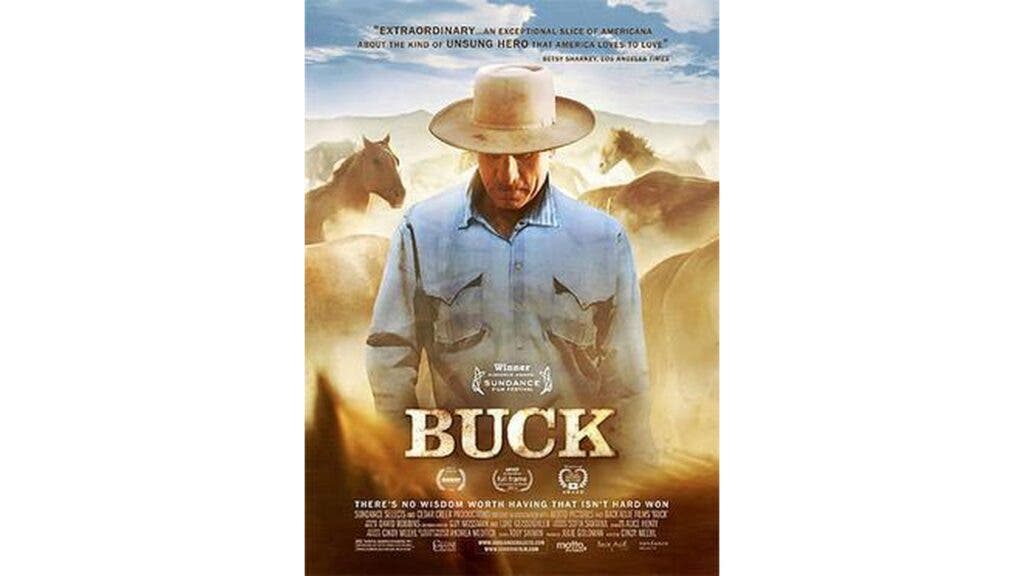 (Photo: Sundance)
Buck
(Photo: Sundance)
Buck
There’s a reason we left The Horse Whisperer off the Classics list. There’s this documentary, Buck, about Buck Brannaman, the trainer who inspired the Robert Redford–Scarlet Johansson movie. How did Brannaman survive a childhood of abuse to become a cowboy who so intimately understands what these animals need?
 (Photo: Peacock)
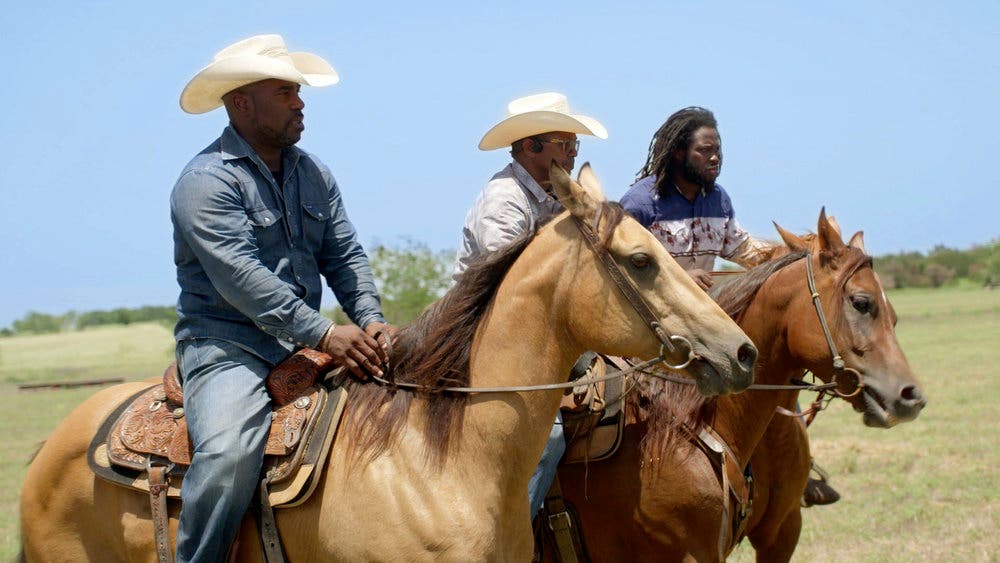
High Horse
(Photo: Peacock)
High Horse
If you’ve seen Jordan Peele’s sci-fi/horror film Nope, then you know: Black people have been riding horses in movies since the movies began. His three-episode documentary series High Horse goes even further, examining the Black origins of cowboy culture (the real Lone Ranger? A Black man!) and Black contributions to rodeo and horse racing, and asking a potentially uncomfortable question: How did cowboys become white?
TV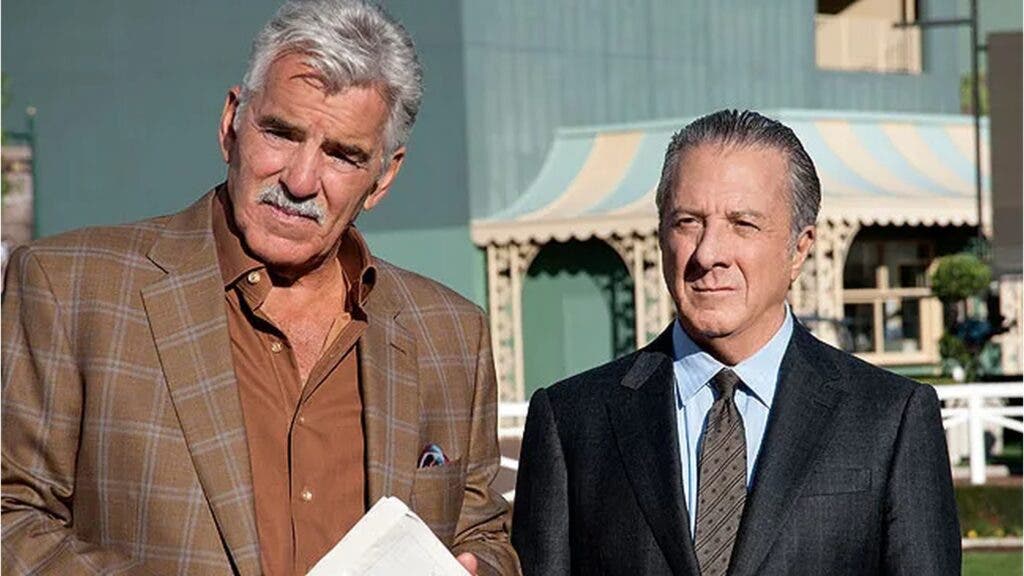 (Photo: HBO)
Luck
(Photo: HBO)
Luck
After the incomparable HBO series Deadwood (which had plenty of horses on its own), showrunner David Milch created Luck, which starred Dustin Hoffman and revolved around the extremely shady goings-on at a California racetrack. Expect frequent horse training, even more frequent gambling, and incredibly threatening language that occasionally spills over into violence. Just don’t get too addicted—Luck lasted but one season, so binge thoughtfully.
 (Photo: Netflix)
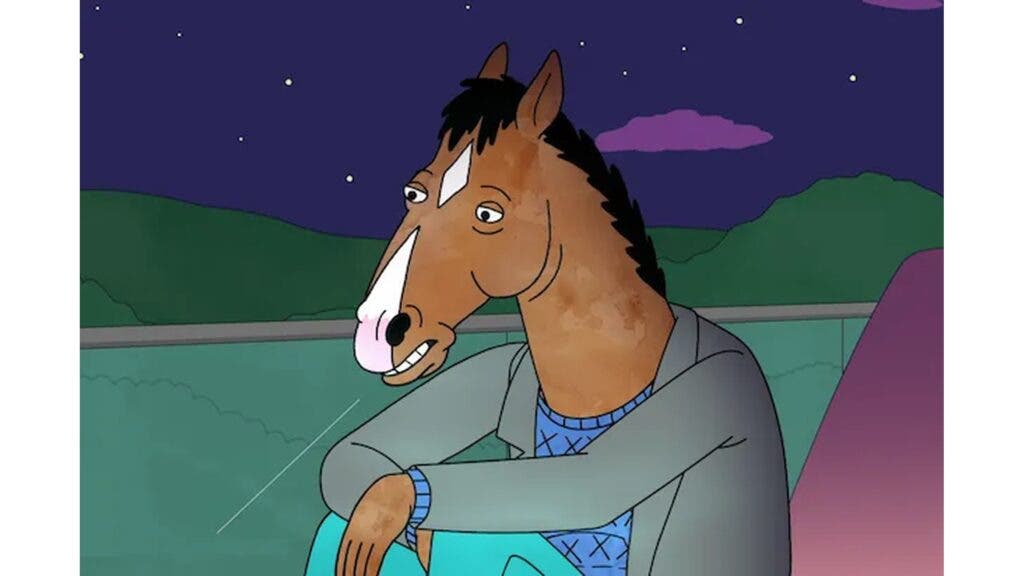
BoJack Horseman
(Photo: Netflix)
BoJack Horseman
BoJack Horseman is a depressed, alcoholic actor with a failing, flailing career that he is desperate to revive. He’s also, as his name suggests, a horse, albeit one with a human body. Across 77 episodes on Netflix, BoJack Horseman explored the dark depths of the, I guess, anthropo-equine experience, from abortion to drug addiction to suicide, and with an honest approach to the mess of existence that won it fans and critical praise. If you’ve ever wondered what it’s like to be a horse, this is your answer, of course, of course.
Comments (0)