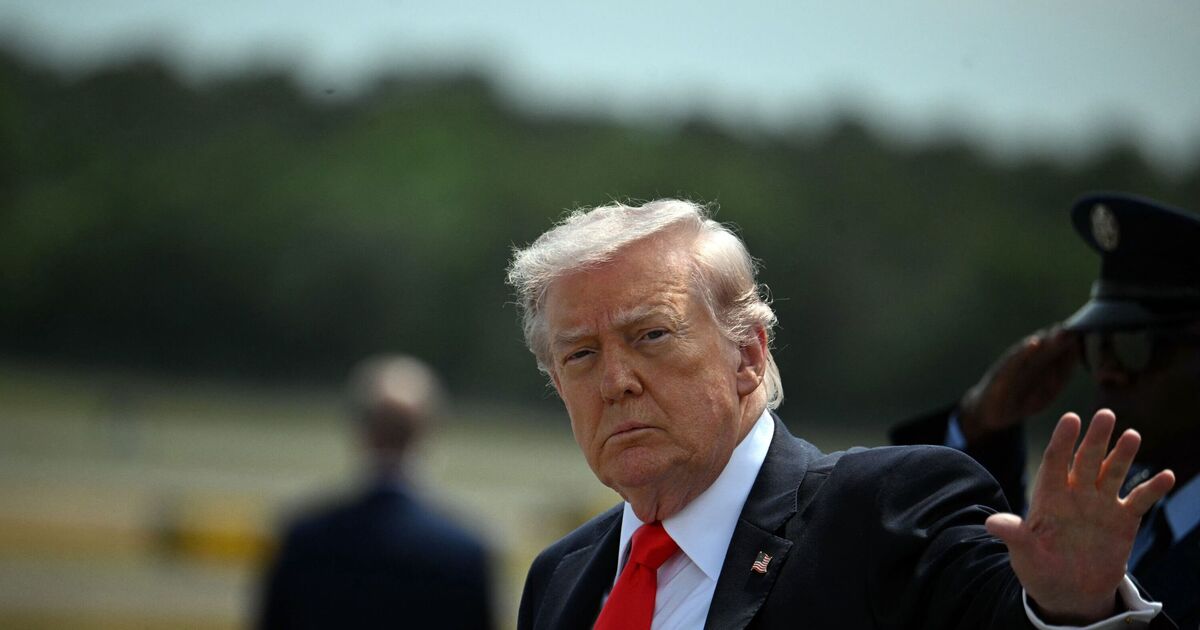
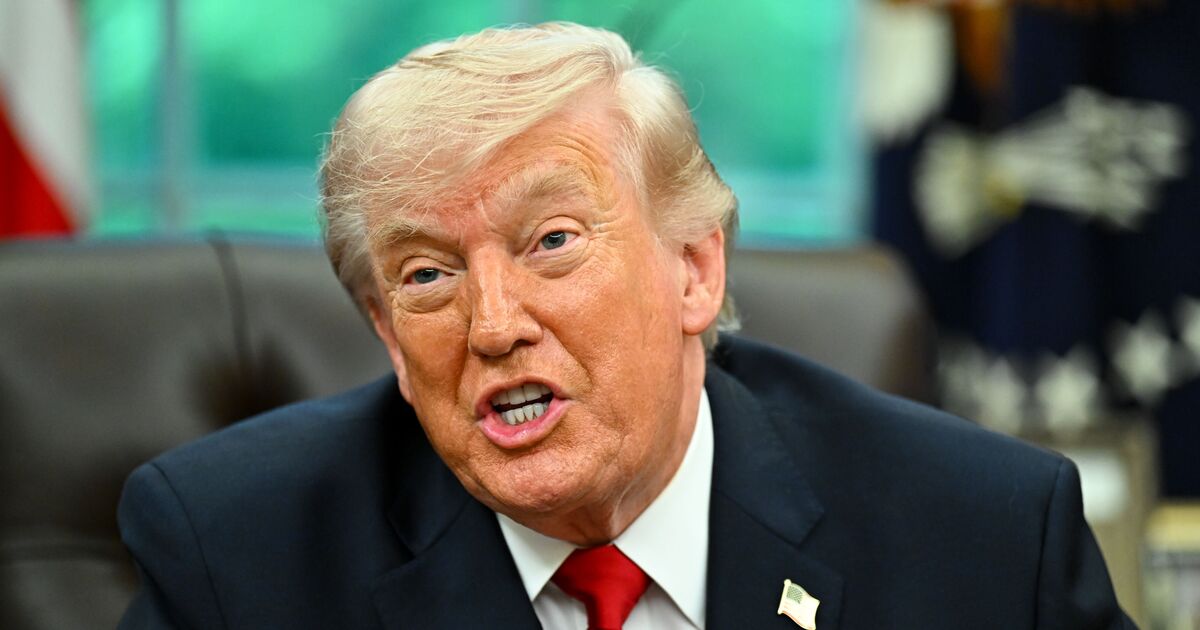
The White House has launched a furious rebuttal to mounting claims about Donald Trump’s cognitive health, dismissing the allegations as “fake and desperate” and accusing critics of unethical conduct. In a sharply worded statement, a spokesperson for Mr Trump rejected recent commentary—sparked in part by an editorial in The BMJ—as “false and slanderous,” singling out medical professionals who have publicly speculated about the president’s condition.
In a clear reference to Dr Kamran Abbasi and other clinicians who have raised concerns, the spokesperson told Express.co.uk: "These are false and slanderous allegations from a ‘doctor’ who is unethically speculating on health matters they have no insight into."
The response marks a significant escalation in tone from the administration, which has until now largely brushed off questions about Mr Trump’s mental acuity. Instead, officials are now directly challenging both the credibility and motives of those fuelling the debate.
The spokesperson insisted that Mr Trump’s performance in office contradicts claims of decline, pointing to what they described as his “sharpness, unmatched energy, and historic accessibility.” They argued that the president’s demanding schedule and frequent public appearances demonstrate a level of stamina inconsistent with suggestions of impairment.
In a move that reframes the controversy as a partisan issue, the White House also sought to draw a stark contrast with Mr Trump’s predecessor, Joe Biden. The statement accused the “legacy media” of having “intentionally covered up” what it described as Mr Biden’s “serious mental and physical decline” during his time in office.
“Unlike the Biden White House, President Trump and his entire team have been fully open and transparent about the President’s health, which remains exceptional,” the spokesperson added.
The remarks reflect a broader strategy by the administration to turn scrutiny back onto its critics, portraying the current wave of concern as politically motivated rather than medically grounded. Allies of Mr Trump have increasingly echoed this line, arguing that speculation about his health is designed to undermine his authority at a time of heightened global tension.
However, the intervention from The BMJ and accompanying commentary by figures such as Dr David Nicholl and Trish Greenhalgh has ensured that the issue remains firmly in the public eye. While those experts stopped short of offering any diagnosis, they pointed to what they described as “warning signs” and called for more rigorous, formal assessment.
The White House response notably sidesteps those specific clinical arguments, instead focusing on the ethics of raising such questions in the first place. By accusing critics of acting without proper evidence or access, officials are invoking long-standing professional standards that discourage remote diagnosis of public figures.
As the row intensifies, the broader issue raised by Dr Kamran Abbasi—whether there should be mandatory, independent cognitive testing for leaders—shows little sign of fading. Instead, the administration’s forceful pushback appears to have hardened positions on both sides, ensuring that the debate over presidential fitness will remain a contentious feature of the political landscape.




Comments (0)