
Remember me






Cocktails have become a dining problem.
When my family and I meet in restaurants for celebratory occasions, ordering cocktails by the younger generation has become part of the ritual, adding considerable sums to the bill (and service charge!) before we start ordering food and wine.
Enthusiasm for cocktails is reflected in data from the alcohol industry, showing ‘ready-to-drink’ (RTD) cocktails are currently the fastest growing sector for liquors.
Industry figures show that in the US market demand for RTDs is soaring at a time when tequila, bourbon and Scotch sales are stagnating or falling.
Spirits have always been subject to fashion. The proliferation of craft gin brands was a case in point in the Noughties.
The purchase and marketing of Casamigos tequila by Diageo, as part of a policy of vacuuming up luxury brands, was seen as an act of genius until it wasn’t.

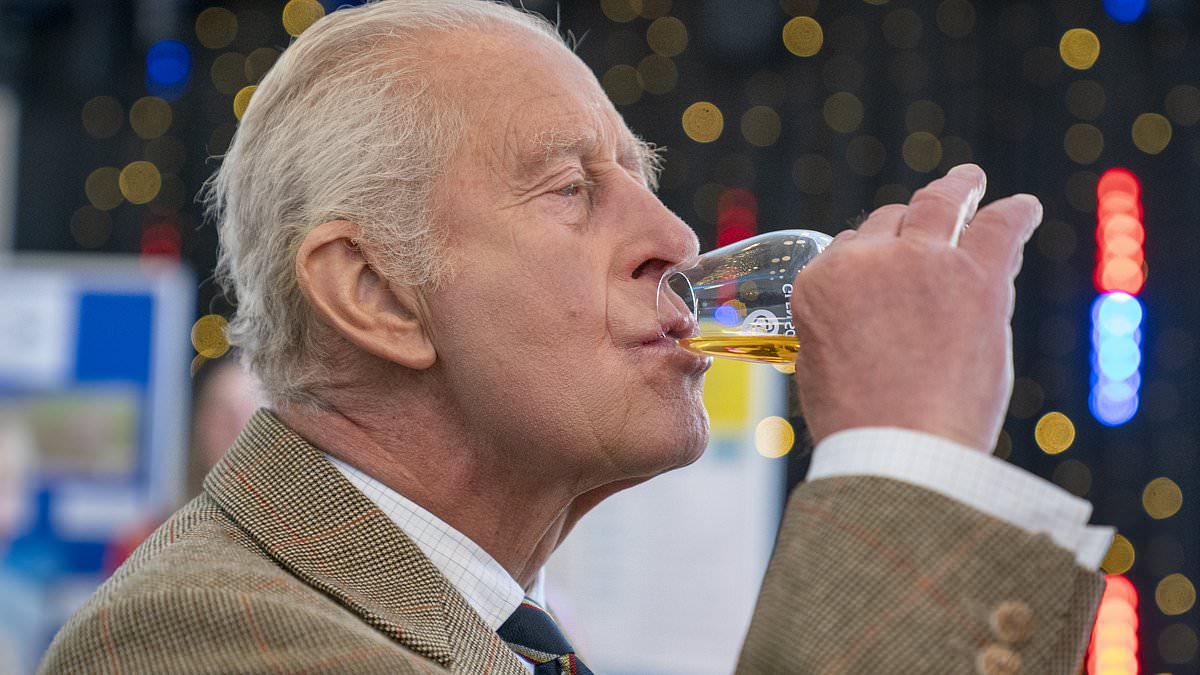
Soft power: Thanks to King Charles’s state visit to Washington, the trauma of punishing tariffs on Scotch is to be lifted
Former Tesco boss Dave Lewis, Diageo’s chief executive, has alighted on RTDs as a potential solution to recent stuttering growth, particularly in the vital US market.
The group already sells quantities of canned cocktails based on Smirnoff Ice, Casamigos and Gordon’s.
Going all-out for RTDs may be good marketing and a short-term fix. But it comes with problems. Margins are lower than on spirits.
RTDs are a more sophisticated version of the alcopops that cast a cloud of moral hazard over the drinks industry when, like vapes and tobacco (in the distant past), they were heavily marketed to young people.
There is also the strong possibility that by the time Diageo ramps up production, the express train of changing tastes will have moved on.
Diageo, under the late Ivan Menezes, moved upmarket as a British-based luxury firm. The image was principally built on its core brands, Johnnie Walker, new investment in Scotland’s fine single malt distilleries and the expansion of Guinness into new markets across the globe.
The firm sought to cater to generations less devoted to the drinking culture with non-alcoholic brands such as gin-lookalike Seedlip, Guinness 0.0, and 0.0 per cent variants of Tanqueray and Captain Morgan.
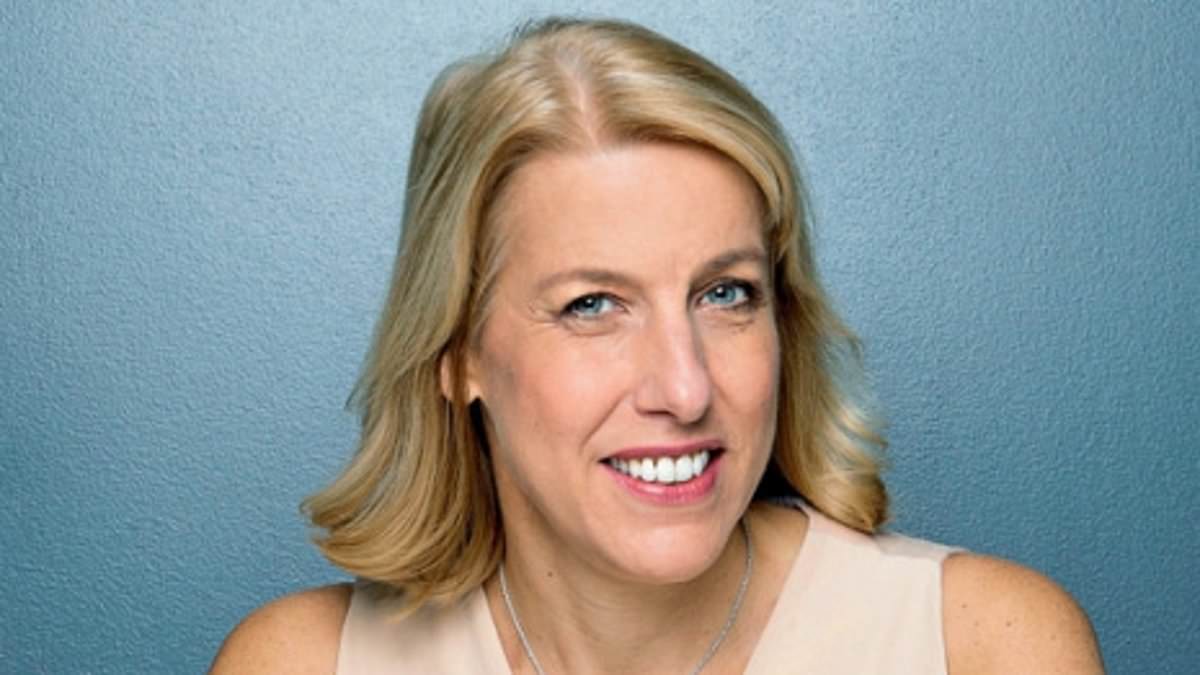
The assumption that Diageo has suddenly gone ex-growth is a rationalisation for lower sales and dumping the group’s first woman chief executive, Debra Crew, after a dispute with a fellow executive.
The reality is that there were two enormous headwinds. The first was managerial, a deep-seated overstocking problem in Latin America, and the second was Donald Trump.
Thanks to King Charles’s state visit to Washington, the trauma of punishing tariffs on Scotch is to be lifted. Sales of Scotch, Britain’s largest cash export to the US, fell 15 per cent from April 2025 (Trump’s liberation day) to February 2026.
The decline has nothing to do with a sudden reduction in demand for totemic singles malts or Johnnie Walker’s Black and Blue labels.
No one should doubt the skills of Dave Lewis in turning around troubled businesses. At Tesco it was achieved by repairing supply relationships, selling fringe and overseas businesses and keener prices.
There should be room for doing all of that at Diageo. To imagine that ready-to-drink products, which would almost certainly fall foul of strict liquor laws in many US states, are the way forward is a stretch.
As keeper of some of the British Isles’ greatest brands, Diageo should receive an uplift from an end to trans-Atlantic whisky and bourbon wars. Cheers, skol, l’chaim.
DIY INVESTING PLATFORMS

AJ Bell
AJ Bell
Easy investing and ready-made portfolios

Hargreaves Lansdown
Hargreaves Lansdown
Free fund dealing and investment ideas

interactive investor
interactive investor
Flat-fee investing from £4.99 per month

Freetrade
Freetrade
Investing Isa now free on basic plan

Trading 212
Trading 212
Free share dealing and no account fee
Affiliate links: If you take out a product This is Money may earn a commission. These deals are chosen by our editorial team, as we think they are worth highlighting. This does not affect our editorial independence.
Compare the best investing account for you