
Remember me







Getting the same amount of rest each day may be tied to slower biological aging
Stable rhythms of rest and activity are associated with healthier biological age markers, a new study suggests
Amr Bo Shanab via Getty Images
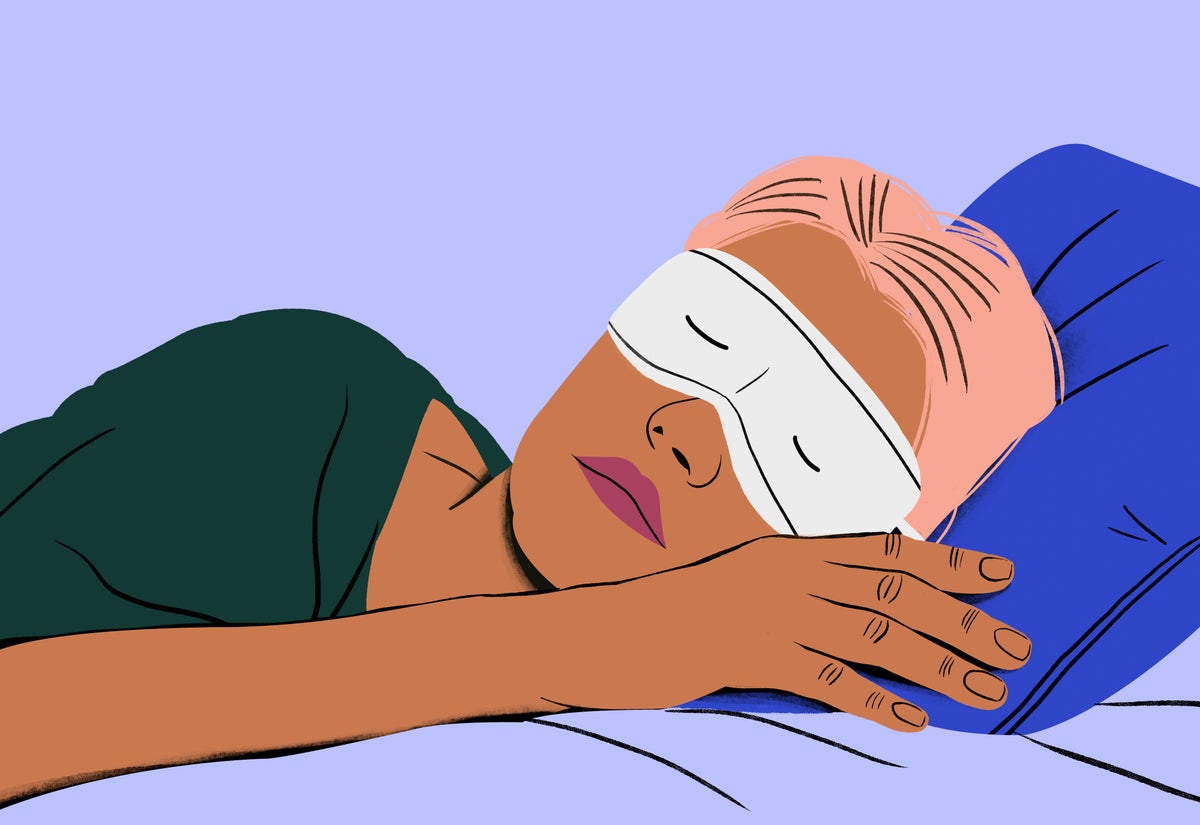
Whether you’re trying to get seven hours of sleep a night or take an hour-long run every morning, consistency is the key to building healthy habits. And now a new study suggests that having stable daily patterns of rest and activity may be linked to slower biological aging.
Scientists already knew that sleep can influence aspects of health that are affected by aging, such as cognition, metabolism and the body’s ability to repair damaged cells. At the same time, not getting enough rest is linked to accelerated aging and a heightened risk of age-related conditions, such as dementia. But the new findings suggest that getting the same amount of rest and activity each day without interruption—in other words, getting longer, sustained periods of rest and activity—may be a key to healthier aging.
“Our findings suggest rest-activity rhythms may be useful markers of the rate of physiological aging in adults,” said Adam Spira, the study’s co-senior author and a professor at Johns Hopkins University, in a statement.
On supporting science journalismIf you're enjoying this article, consider supporting our award-winning journalism by subscribing. By purchasing a subscription you are helping to ensure the future of impactful stories about the discoveries and ideas shaping our world today.
Researchers analyzed data from 207 adult participants in the Baltimore Epidemiological Catchment Area study, which has followed hundreds of people for decades. Then the team compared rest-activity rhythm data collected from the participants by a smart device that they wore on their wrist for seven consecutive days with blood tests done years before and tests performed around the same time that the participants wore the activity tracker. The scientists also collected diaries from the participants that documented when they went to bed and woke up and when they took part in anything else that might be considered rest, such as a nap.
The researchers looked specifically at the participants’ scores on four epigenetic clocks—essentially, these are markers on DNA that change with age, giving an estimate of the biological age of a tissue or individual that may or may not match a person’s chronological age. The participants in the study were 68 years old on average.
People with more consistent rest-activity rhythms tended to have lower age scores on two of the four epigenetic clocks; the other two clocks did show some association, but it wasn’t enough to meet the threshold of statistical significance, the researchers said.
The results are intriguing, but the study does have some limitations: the sample size is small, and there may be aspects of each participant’s day-to-day activity and sleep, as well as their health and lifestyle, that the researchers just didn’t capture.
Still, co-senior study author and Johns Hopkins professor Brion Maher said in the same statement that the research team suspects the links it has identified “underestimate what is going on in the general population.” Ultimately, the researchers hope to conduct clinical trials to see if making a person’s rest-activity cycle more consistent could slow aging.
“If supported by future research, these rhythms might emerge as potential targets for interventions to slow the aging process,” Spira said.
It’s Time to Stand Up for ScienceIf you enjoyed this article, I’d like to ask for your support. Scientific American has served as an advocate for science and industry for 180 years, and right now may be the most critical moment in that two-century history.
I’ve been a Scientific American subscriber since I was 12 years old, and it helped shape the way I look at the world. SciAm always educates and delights me, and inspires a sense of awe for our vast, beautiful universe. I hope it does that for you, too.
If you subscribe to Scientific American, you help ensure that our coverage is centered on meaningful research and discovery; that we have the resources to report on the decisions that threaten labs across the U.S.; and that we support both budding and working scientists at a time when the value of science itself too often goes unrecognized.
In return, you get essential news, captivating podcasts, brilliant infographics, can't-miss newsletters, must-watch videos, challenging games, and the science world's best writing and reporting. You can even gift someone a subscription.
There has never been a more important time for us to stand up and show why science matters. I hope you’ll support us in that mission.
Comments (0)