


The modern workplace is in a state of constant flux. As companies evolve, merge, or embrace new ways of working, the physical spaces they occupy must adapt accordingly. In Toronto's competitive commercial real estate market, office space clearouts have become a routine yet critical undertaking. Whether a business is downsizing to accommodate a hybrid workforce, upgrading to a sleek new headquarters, or simply refreshing its brand identity, the process begins with a comprehensive demolition of the existing environment. Mammoth demolition services provide the expertise and muscle needed to transform outdated, cluttered office spaces into clean, open canvases ready for reinvention. This is not merely about clearing out furniture; it is about systematically stripping away the physical layers of a company's past to make way for its future.
The Scope of Office Demolition: More Than Just Emptying Desks
When most people imagine an office clearout, they picture moving trucks hauling away desks and filing cabinets. However, a true commercial demolition project extends far beyond furniture removal. It involves the complete stripping of interior finishes—tearing down drywall partitions, removing ceiling tiles and grid systems, pulling up carpet and flooring, and dismantling built-in millwork like reception desks and conference room cabinetry. It may also involve the removal of specialized installations such as raised computer floors, soundproofing panels in call centers, or laboratory fixtures in medical offices. This comprehensive approach ensures that every trace of the previous tenant is erased, revealing the bare bones of the space and allowing the new design to be built from a truly neutral foundation.
Navigating the Complexities of Commercial Leases
One of the unique challenges of office demolition in Toronto is the legal and contractual framework within which it must operate. Commercial leases often include specific clauses regarding the condition in which a space must be returned to the landlord at the end of a tenancy. Some leases require the tenant to restore the space to its original "base building" condition, meaning the removal of all tenant improvements. Others may allow for the transfer of certain improvements to the incoming tenant. Navigating these requirements demands a demolition partner who understands commercial real estate and can interpret lease language to determine exactly what must be removed and what can remain. This expertise prevents disputes with landlords and ensures that the tenant fulfills their contractual obligations without unnecessary work or expense.
Managing Disruption in Active or Partially Occupied Buildings
Many office clearouts occur in buildings that remain partially occupied by other tenants. Law firms, financial services companies, and medical practices cannot simply pause their operations while demolition proceeds overhead or next door. This reality demands a demolition approach that prioritizes minimal disruption. Experienced contractors implement strict noise and vibration control measures, confining the loudest work to evenings, weekends, or other agreed-upon quiet hours. They seal off demolition zones with temporary barriers to contain dust and debris, and they coordinate closely with building management to ensure that shared amenities like elevators, loading docks, and washrooms remain accessible to other occupants. This sensitivity to the broader building community is essential for maintaining positive relationships and avoiding complaints that could halt the project.
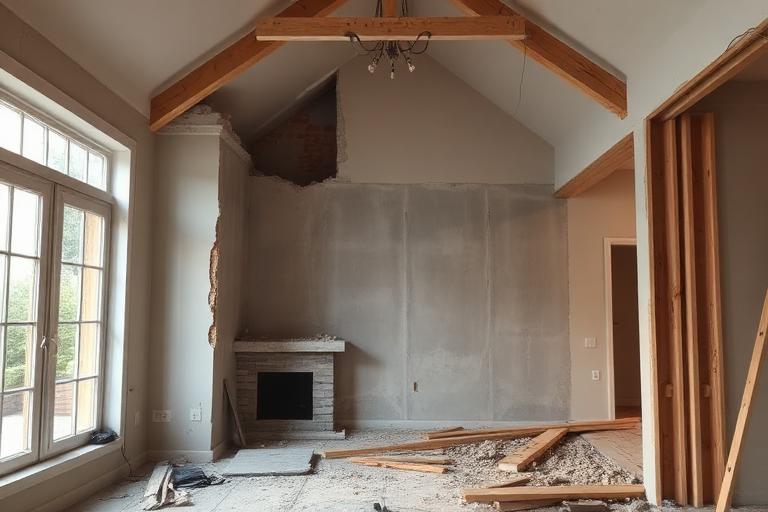
The Challenge of Abandoned Infrastructure
Office buildings accumulate layers of infrastructure over decades of occupancy. Above the ceiling tiles of a typical Toronto commercial space lies a chaotic tangle of data cables, electrical wiring, plumbing lines, and HVAC ductwork—much of which may be abandoned and no longer in service. A thorough office clearout involves identifying and removing this obsolete infrastructure to clear the plenum space for new systems. This requires skilled tradespeople who can trace lines back to their sources, safely disconnect them, and remove the materials. Leaving abandoned cables and pipes in place can create fire hazards, obstruct new installations, and reduce the available space for modern mechanical systems. A meticulous demolition services Toronto ensures that the ceiling cavity is as clean and clear as the floor plate below.
Technology and Data Security Considerations
In an age where data is among a company's most valuable assets, office clearouts must address the unique challenges of technology decommissioning. Abandoned servers, network switches, and computer equipment cannot simply be tossed into a dumpster; they contain sensitive data that must be securely erased or destroyed. Similarly, the miles of data cabling running through walls and above ceilings may have connected to secure networks that require protection. Reputable demolition contractors partner with certified IT asset disposition specialists to ensure that all electronic waste is handled in compliance with privacy regulations and environmental standards. This coordinated approach protects the company from data breaches while ensuring that hazardous electronic components are recycled responsibly.
Sustainability and Corporate Social Responsibility
Toronto businesses are increasingly measured by their commitment to environmental stewardship, and office clearouts offer a significant opportunity to demonstrate this commitment. A typical commercial demolition generates enormous volumes of waste, from gypsum drywall and carpet tiles to metal studs and ceiling grids. A responsible demolition contractor prioritizes waste diversion, sorting materials on-site or at transfer stations to maximize recycling and salvage. Metal is separated and sold for scrap. Cardboard and paper from abandoned files are recycled. Even furniture and office equipment in usable condition can be donated to charities or sold to used office furniture dealers. By pursuing these sustainable practices, companies not only reduce their environmental footprint but also potentially lower their disposal costs and generate positive publicity for their green initiatives.
Preparing for the Future of Work
The COVID-19 pandemic fundamentally altered how we think about office space. The demand for wide-open bullpens of cubicles has given way to a need for flexible, collaborative environments that support both focused work and team interaction. Office clearouts are the first step in this transformation. By removing the rigid partitions and fixed workstations of the past, demolition crews create the open volumes that allow for the installation of modular furniture, zoom rooms, wellness areas, and collaborative zones. This flexibility is essential for companies navigating the uncertain future of work, as it allows them to adapt their spaces quickly as workplace strategies evolve. A successful office clearout does not just empty a space; it unlocks its potential to support the changing needs of a dynamic workforce.
Comments (0)