
Remember me

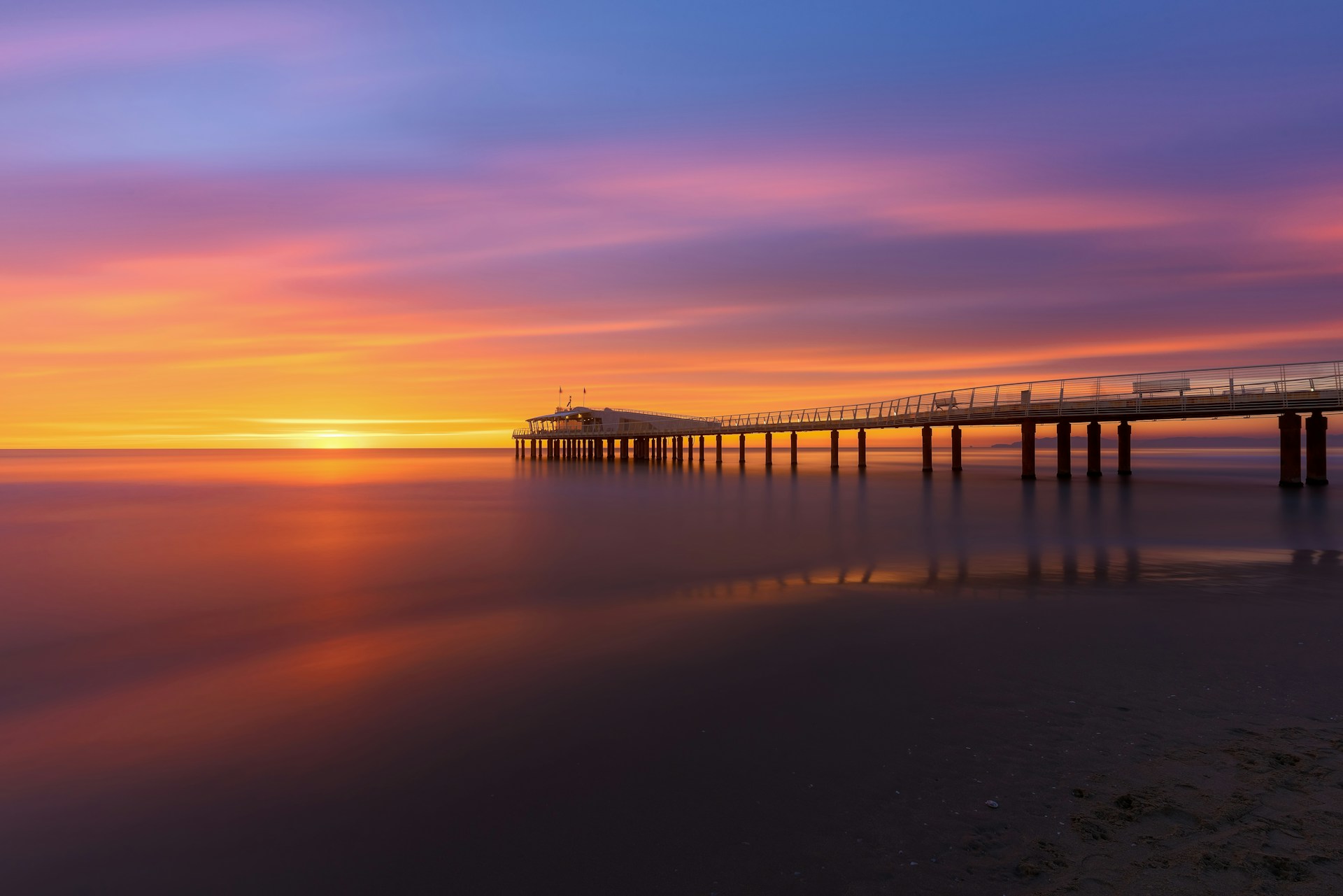
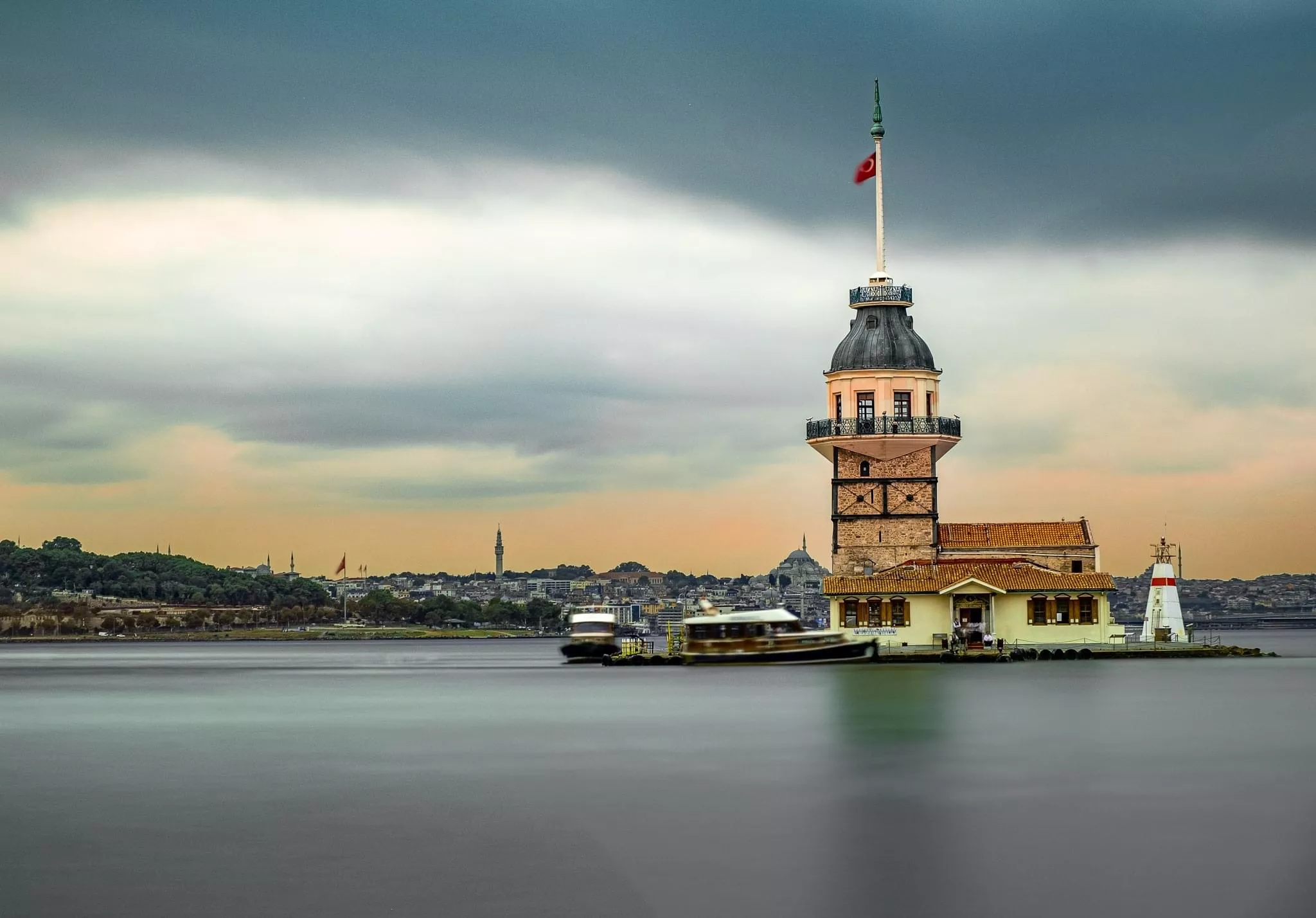
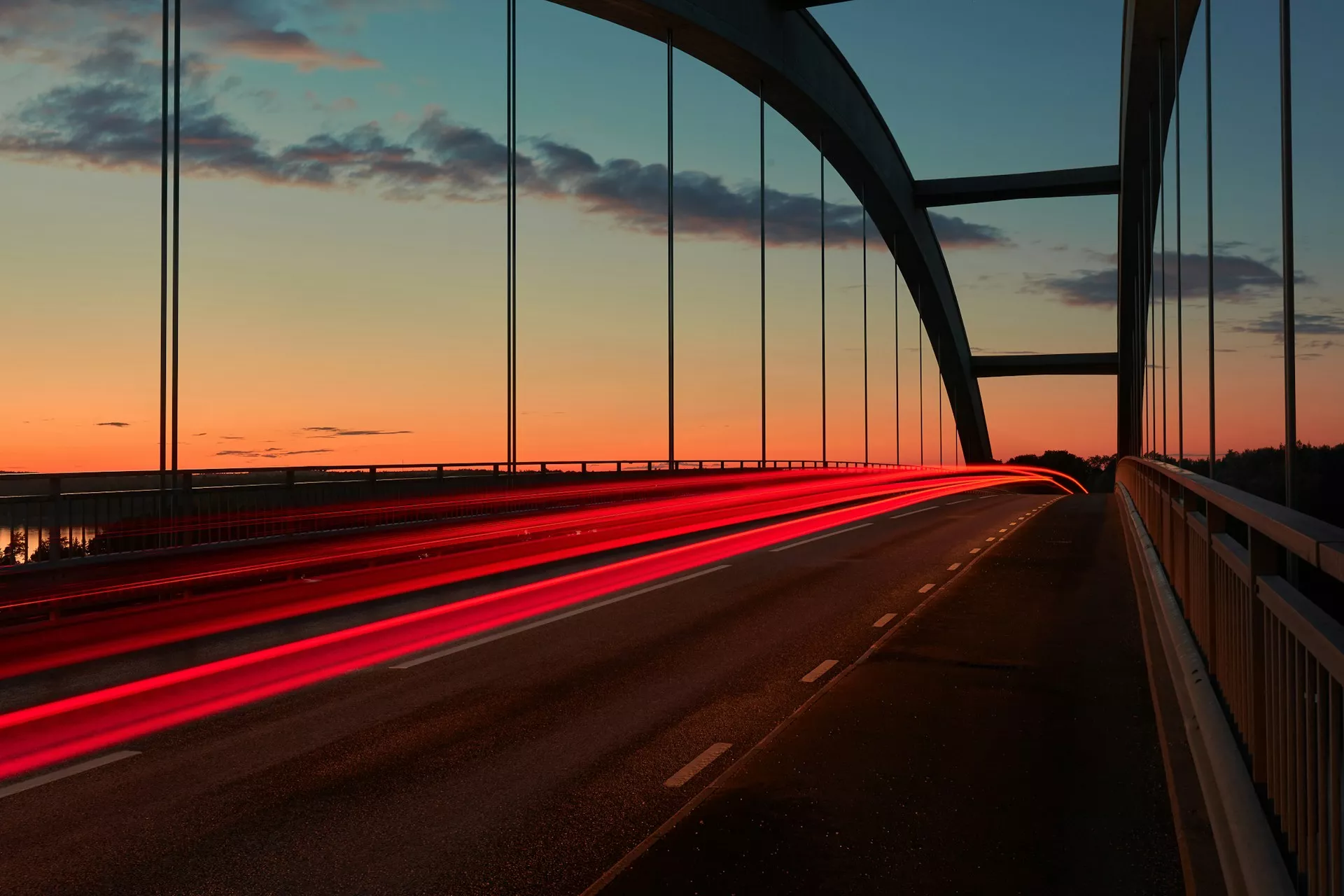
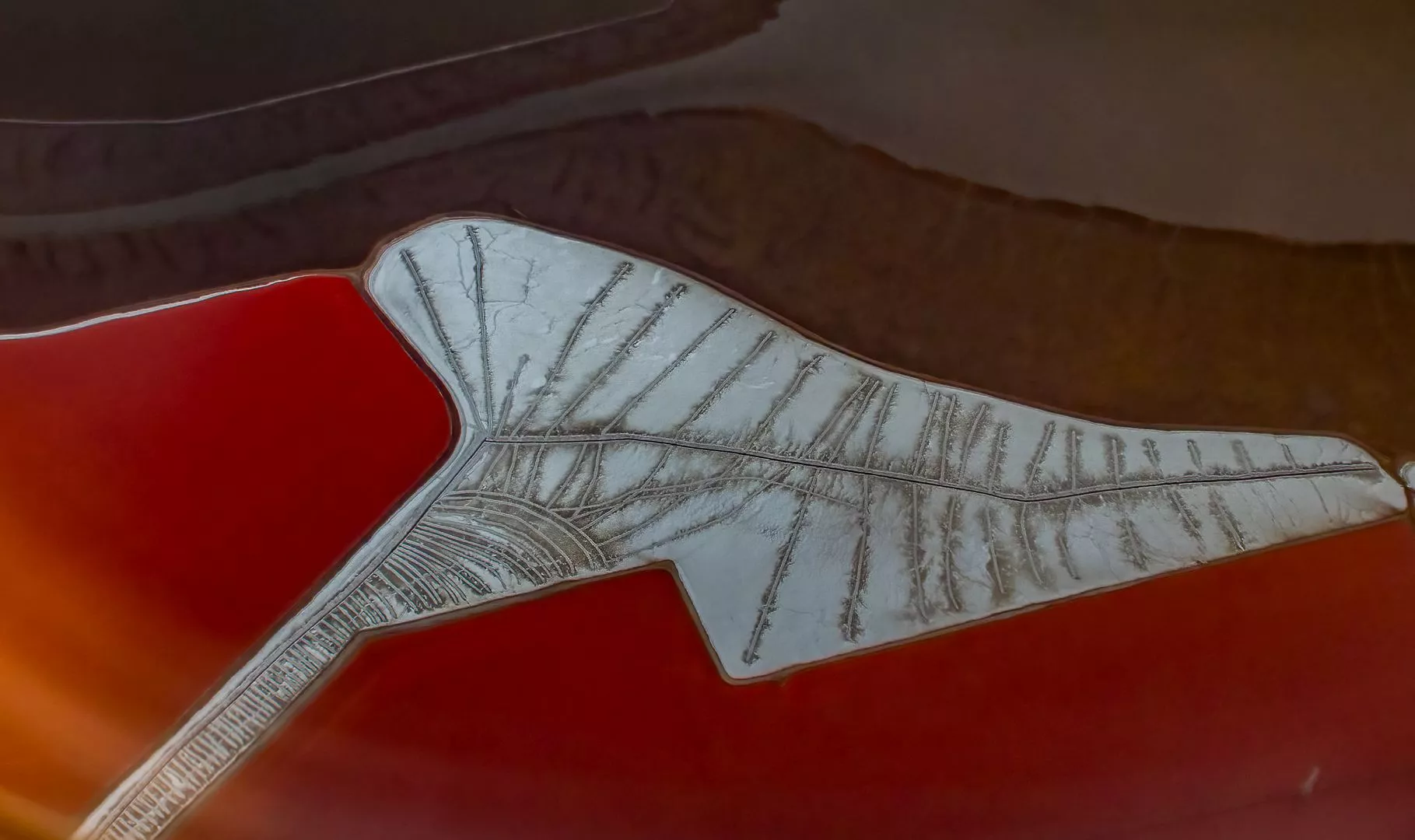
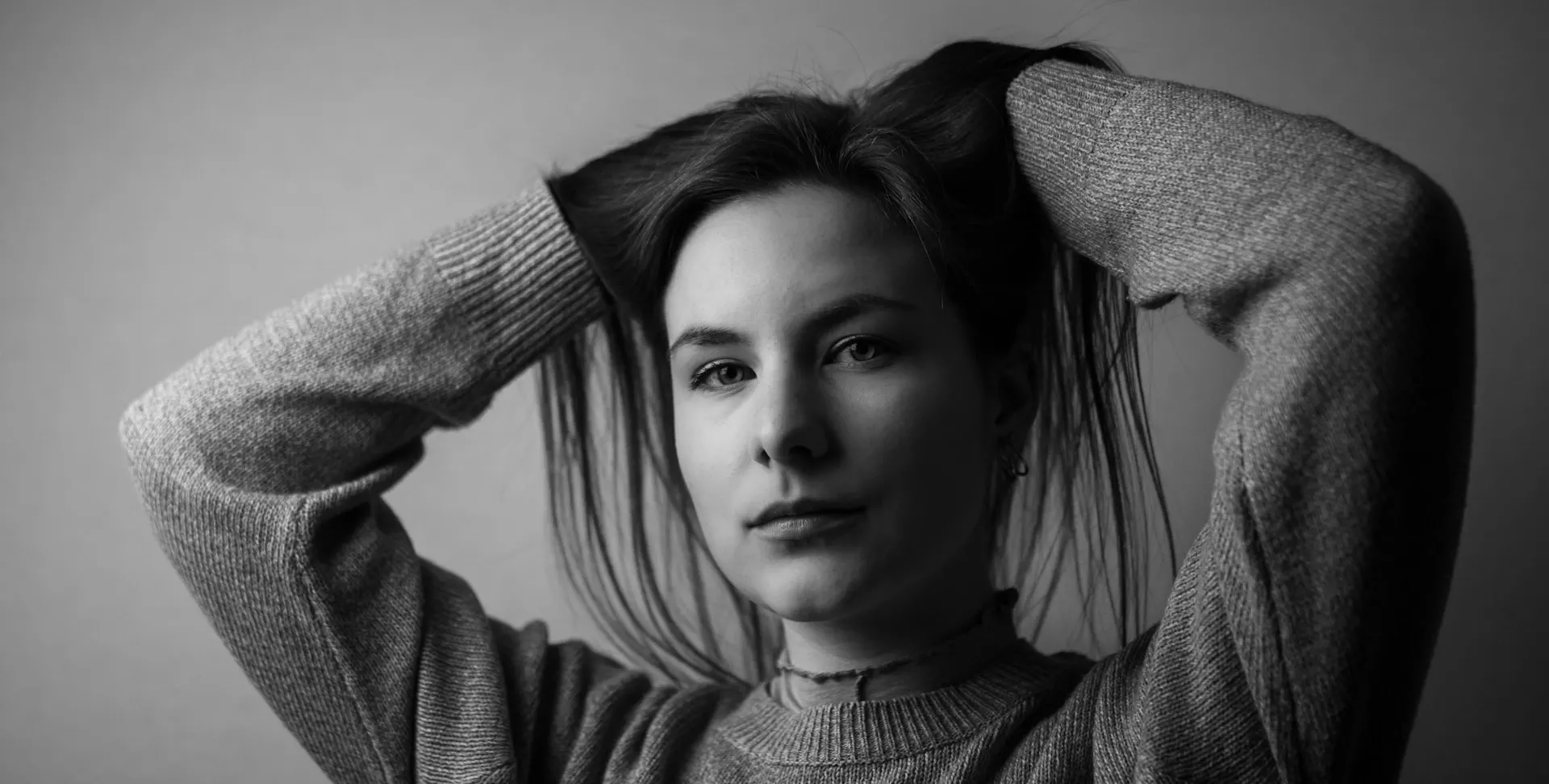
Photography needs light and it can be either natural or artificial lighting. When shooting outdoors, photographers mainly depend on natural light during the day time and the ambient light from street lights, buildings and others during the night. Similarly when shooting indoors, natural light through doors and windows can be used for stunning photography, whereas, artificial light can be used in a studio setup or to compensate for low natural light situations.
Understanding light and its behaviour is of high importance in order to enhance your photography skills to capture better photos. In this article, we have put together a bunch of tutorials that will help you gain an understanding of light and use it in your day-to-day photography.
 Mary Skrynnikova
When it comes to lighting for photography, there are quite a lot of them – soft light, hard light being the basic and then side lighting, back lighting, rim lighting, front lighting, lighting from above and then some lighting techniques for studio setups like Rembrandt lighting, butterfly lighting and so on. This article discusses the types of lighting and how to shoot in them.
 Engin_Akyurt
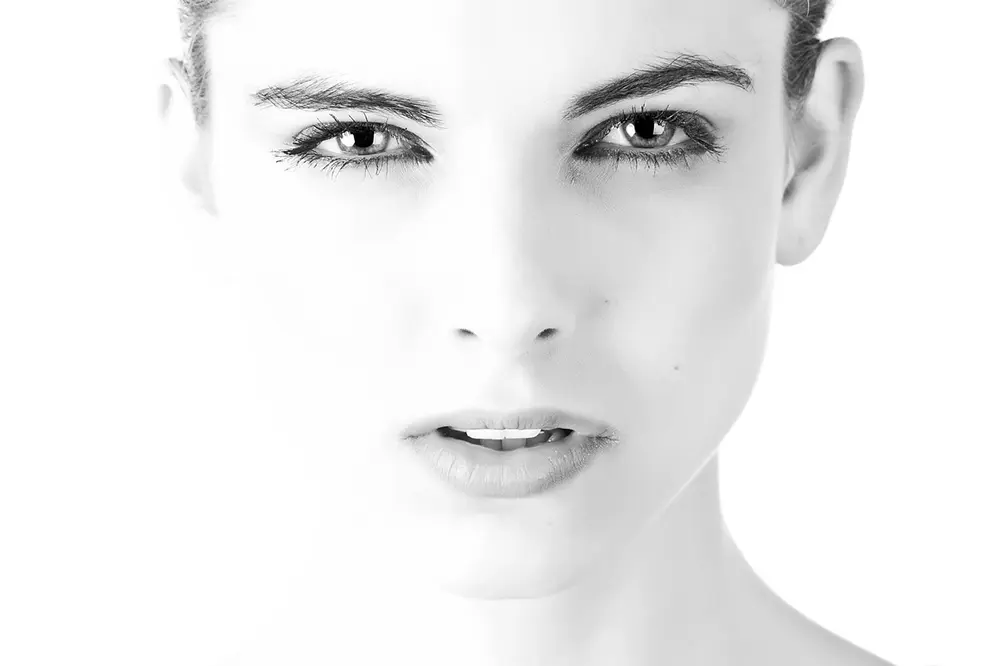
Light and airy is a theme that is used by many photographers for their professional work and it requires a certain type of lighting that is almost similar to high key lighting. When using high key lighting, the resulting photographs will not have dark shadows while also maintaining details in the bright areas of the frame. High key lighting can be used for any genre of photography but is more popular for portraits and this article discusses how to setup high key lighting and capture high key photos.
 David Cohen
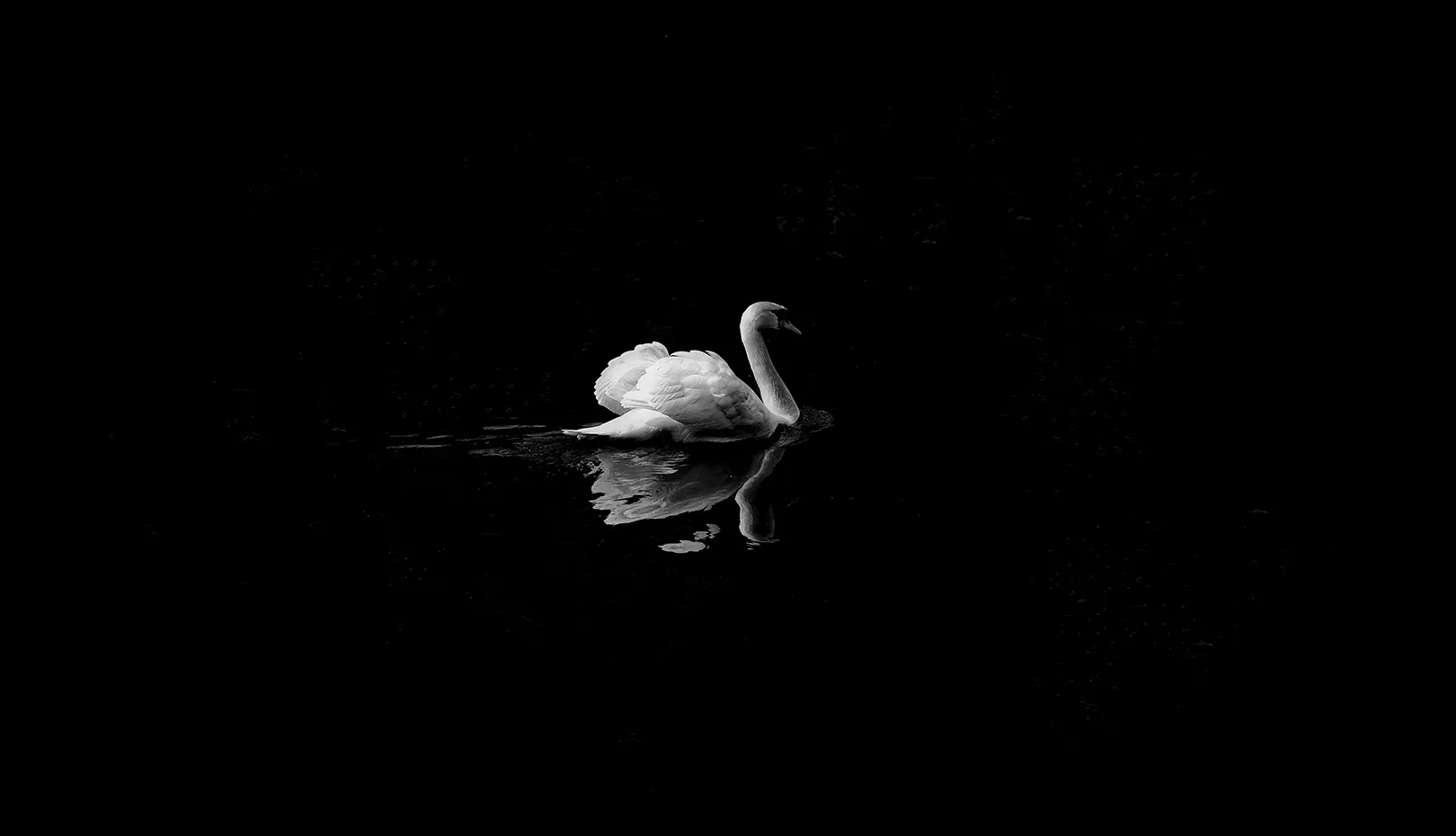
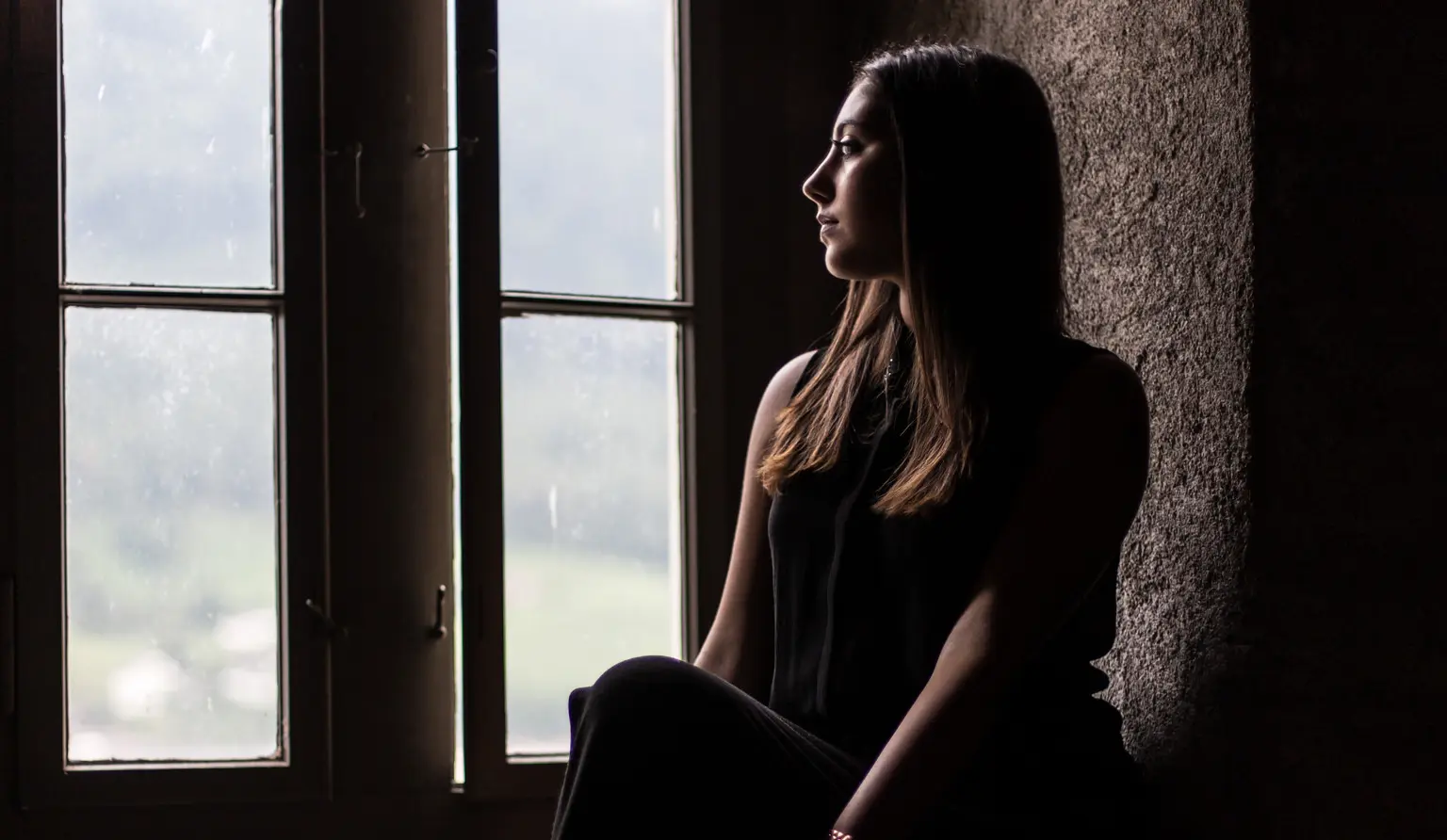
Very similar to the high key lighting for photography is the low key lighting. The lighting used here is soft but at the same time, the setup is such that there are not very bright areas in the frame. The image is usually shot against a black background or the light is used effectively – more like a spotlight, so the subject is illuminated and the rest of the areas fall in darkness. This article discusses how to setup and capture low key photographs with the correct exposure.
 Lee Aik Soon
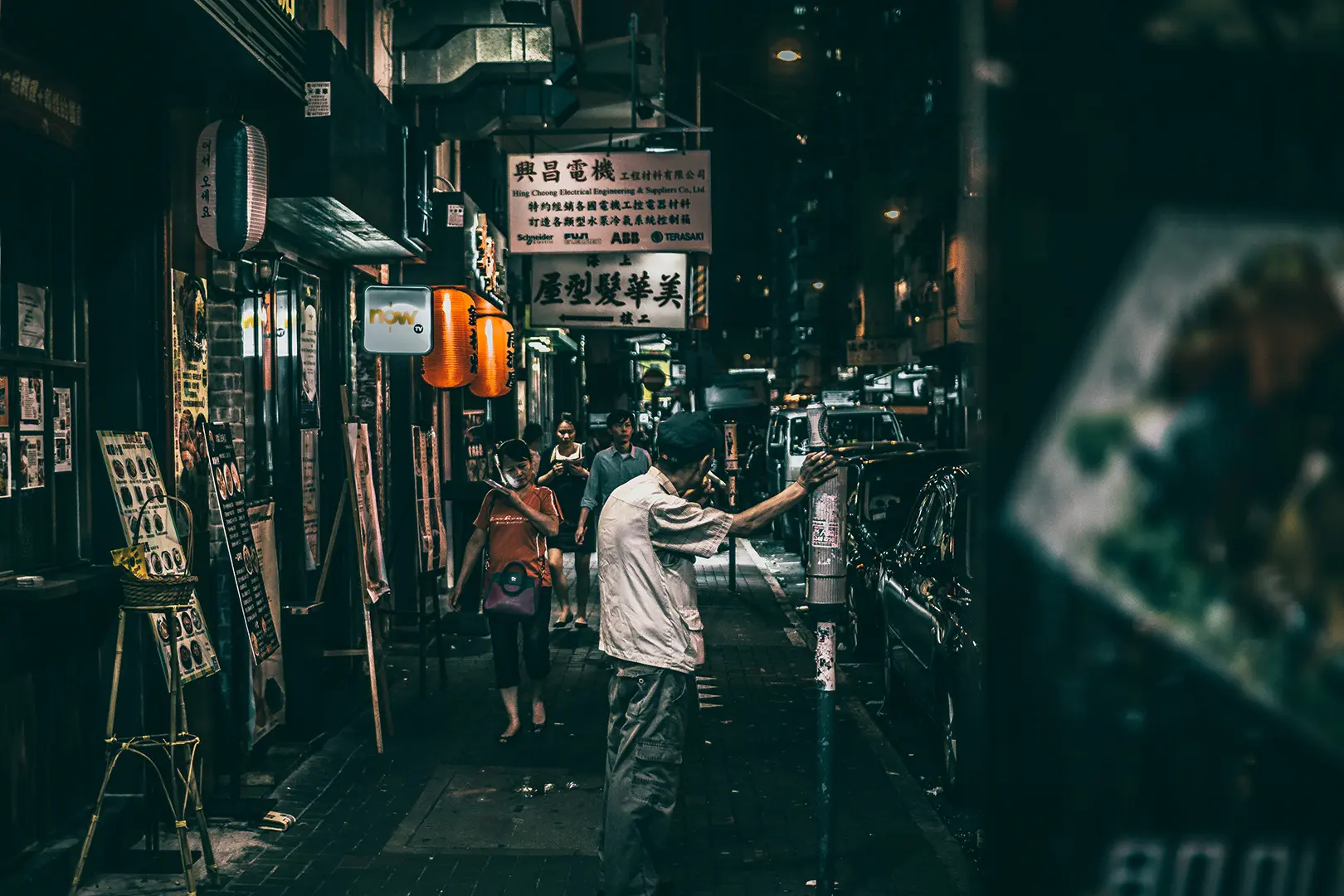
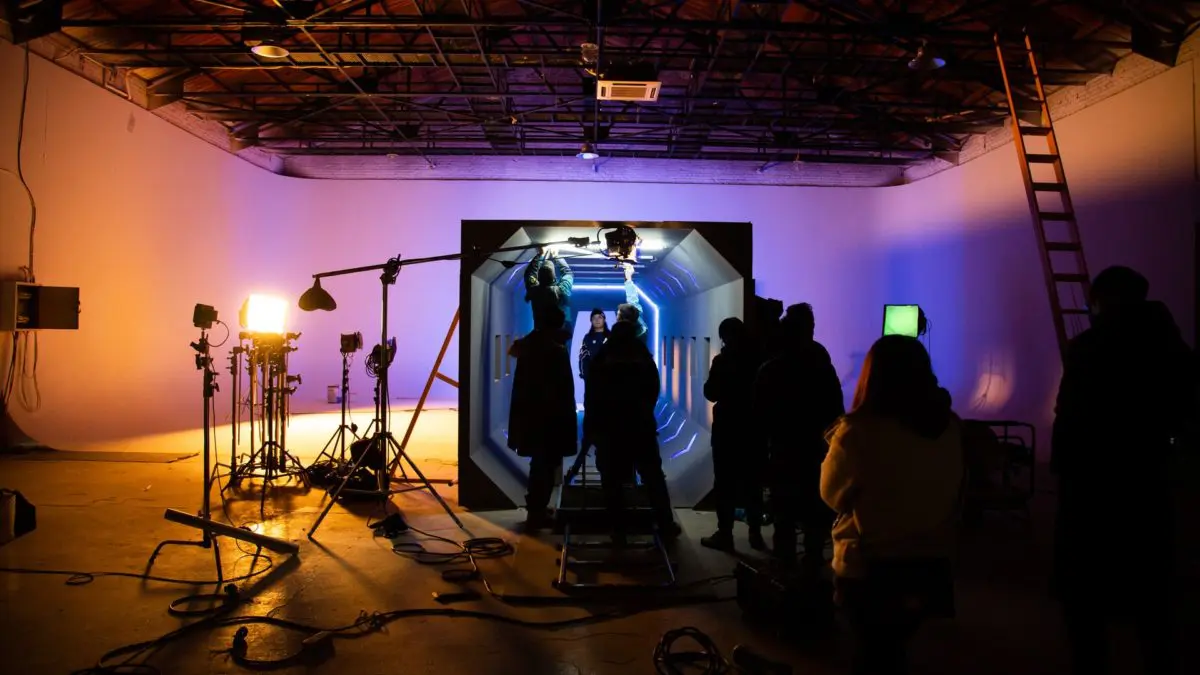
A lot of photographers, as they gain experience in lighting, will learn to use a flash so they can shoot well or expose their subjects well under low light situations or even in other challenging light conditions. It is not always possible to carry a flash around all the time, or to even use one in certain situations, for example street photography. So there are ways to get around these situations and this article discusses how to deal with difficult lighting situations without the help of a flash.
 Hao Rui
Learning how to use artificial light in photography is a skill all photographers need to master, for times when the light may not be favourable, especially if you are a professional photographer shooting weddings, events and portraits. Without experience, using flash or artificial light in photography can be very challenging. This article provides some great tips for using artificial lighting in photography.
 Steve Johnson
There are times when a photographer has to deal with a situation where there is light from different sources in the frame or scene and they may be of different temperatures. This can make the resulting image quite ineffective with awkward colour casts, etc. There may not be ways sometimes to also block the unwanted source of light and hence the photographer needs to deal with this. This article provides some strategies on how to deal with mixed lighting.
 Ed Verosky
Continuous lighting is using a constant light source to illuminate your subject, for example portraiture, product photography, still life and so on. Compared to using flash in photography, continuous lighting is easier if you know to use the right light, with the right intensity and to set it up correctly. If you are someone who shoots portraits often, then this article discusses how to use continuous lighting for portrait photography.
 Duy Tung Tran
Rembrandt lighting is a classic lighting style and one of the most basic lighting techniques for portrait photography. The subject is illuminated from one side at an angle of about 45 degrees and a reflector is used on the other side to fill in some light. A small triangle of light on the opposite cheek of the illuminated side is the characteristic of Rembrandt lighting. This article provides an introduction to Rembrandt lighting for photographers.
 Jay Soundo
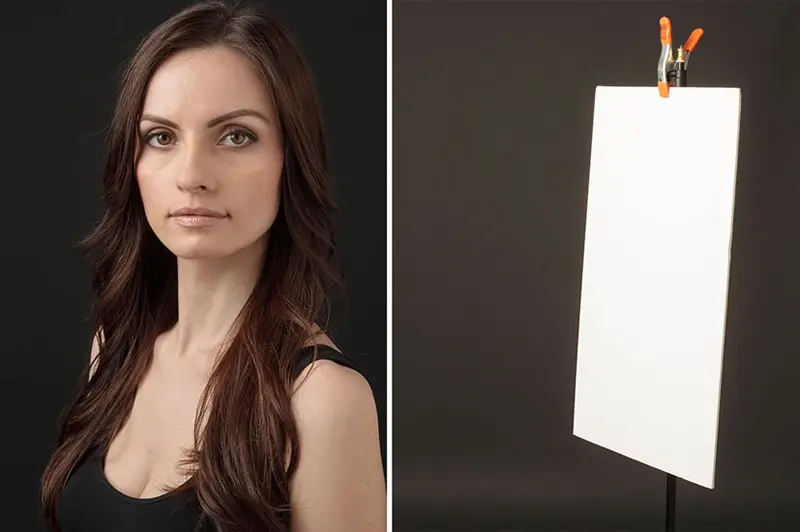
When working with portraits or still life photography, there are areas where you may have unwanted shadows, especially when side lighting a subject and these can be removed with the help of a reflector. You do not need expensive or very large reflectors, and using a reflector can make an image go from good to great. This article discusses how you can use reflectors to capture stunning portraits.
 Jonas Ferlin
Beaches are great places for photography but the light can be quite harsh during the day time. You can of course limit yourself to shooting in the beaches only when the light is soft, but there are times when you are there during the midday when the sun is high up and you want to shoot. This can be a very challenging situation but with some tips you can capture good photos and this article discusses that.
 Zac Durant
Macro photography can be shot in natural light or artificial lighting, and sometimes may require the use of reflectors to capture all the details. If you are using flash units, there are many choices to choose from and so are the artificial lighting techniques. This article talks about different lighting options that can be used for macro photography.
 Wendelin Jacober
Understanding light and its behaviour is important to use light effectively in photography. Learning to manipulate the available light is a skill that all photographers need to master in order to get better in photography. The above guides should help you to get started in any lighting situation, but if you need more resources, here is a collection of five eBooks that will help you to get better at lighting in photography.
Further Reading
Comments (0)