
Remember me
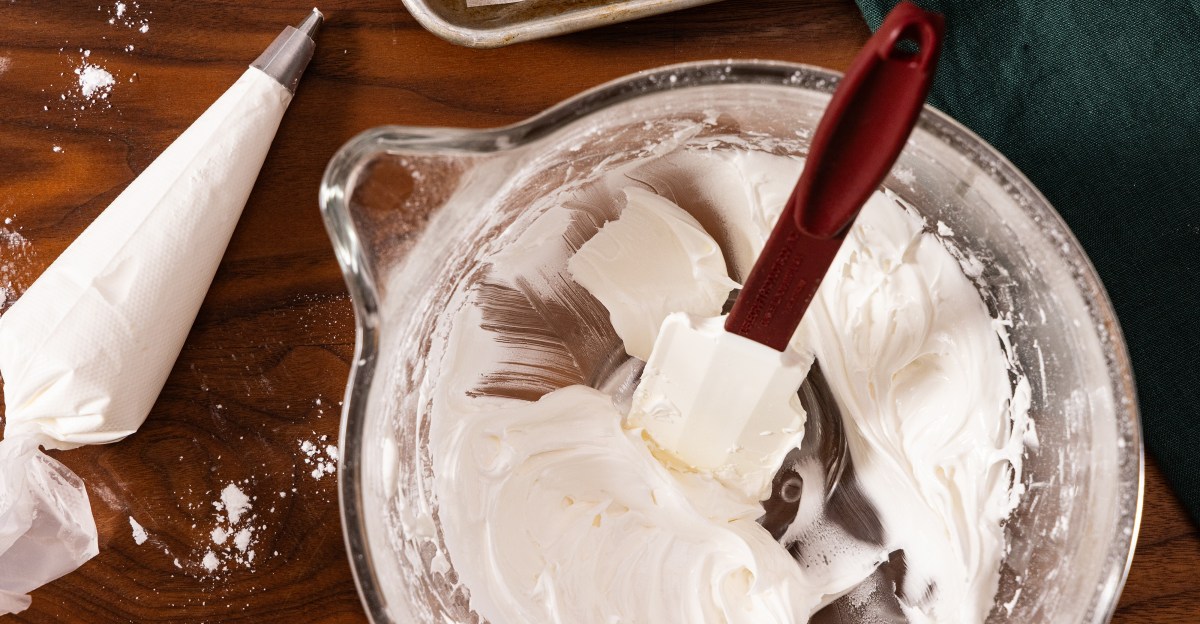
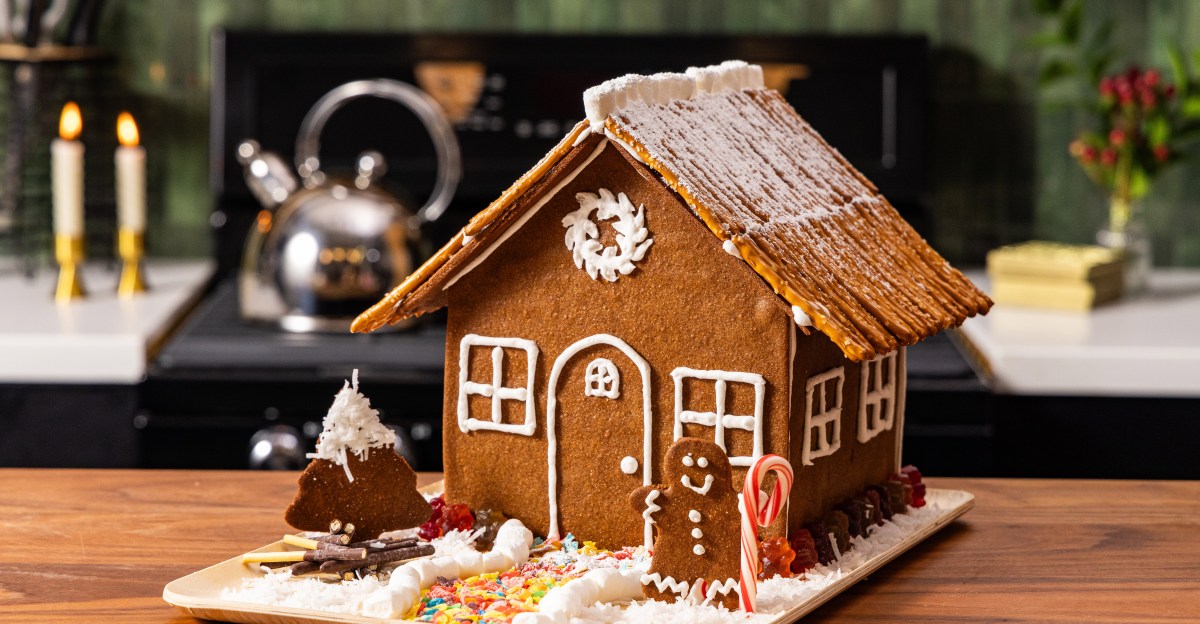




Through the decades, royal icing has been the edible glue of choice when it comes to building gingerbread houses. Royal icing dries hard, doesn’t smudge or run, pipes precisely, and is quite sturdy. It’s also easy to change its consistency, simply by adding water.
So while there are fun new options to consider, like using hot caramel instead (which dries even faster), I decided to stick with a tried-and-true royal icing recipe for this gingerbread house; this one is adapted from recipes by Subtle Asian Baking members.
Note: If you don’t wish to use raw egg whites, use meringue powder mixed with water instead to make the icing. Follow the instructions on the meringue powder label. However, if you’re not eating the frosting, it’s fine to stick with raw egg whites. If you do intend to eat, then it’s best to use pasteurized eggs.
Makes about 2 cups (one batch of royal icing)
2 large egg whites
450 to 500 grams (about 4 cups) confectioners’ sugar, sifted
1 teaspoon lemon juice, white vinegar, or cream of tartar (to stabilize)
Food coloring gel, as needed, for optional color
Step 1: In a stand mixer fitted with the whisk attachment, beat the egg whites until frothy.

Step 2: Gradually add the confectioners’ sugar while mixing on low speed until the mixture becomes very thick and glossy.

Step 3: Add the lemon juice, vinegar, or cream of tartar, then increase the speed to medium-high and beat for 4 to 5 minutes, or until firm to stiff peaks form.

Step 4: Adjust the consistency as needed. For example, add a teaspoon of water or more lemon juice to make the icing smoother and easier to spread. You don’t want the icing to be so stiff that you can’t easily pipe it out of a bag.

Step 5: Store the icing in an airtight container at room temperature until ready to use.
Step 1: Divide the icing into separate bowls, one for each color you’d like to make.
Step 2: For runnier icing (used for covering large surfaces like walls or roofs), add water, ½ to 1 teaspoon at a time, until the icing flows smoothly. Mix in your desired food coloring gel.
Step 3: For stiff icing (used for piping details like window frames, door outlines, or icicles), do not add more water and simply tint with gel food coloring as desired.
Haley Hunt Davis is an Atlanta and L.A.-based food, beverage and product photographer. Styled by Ryan Norton, an Atlanta-based food stylist and macaron maker at La Macaron Guy.
Comments (0)