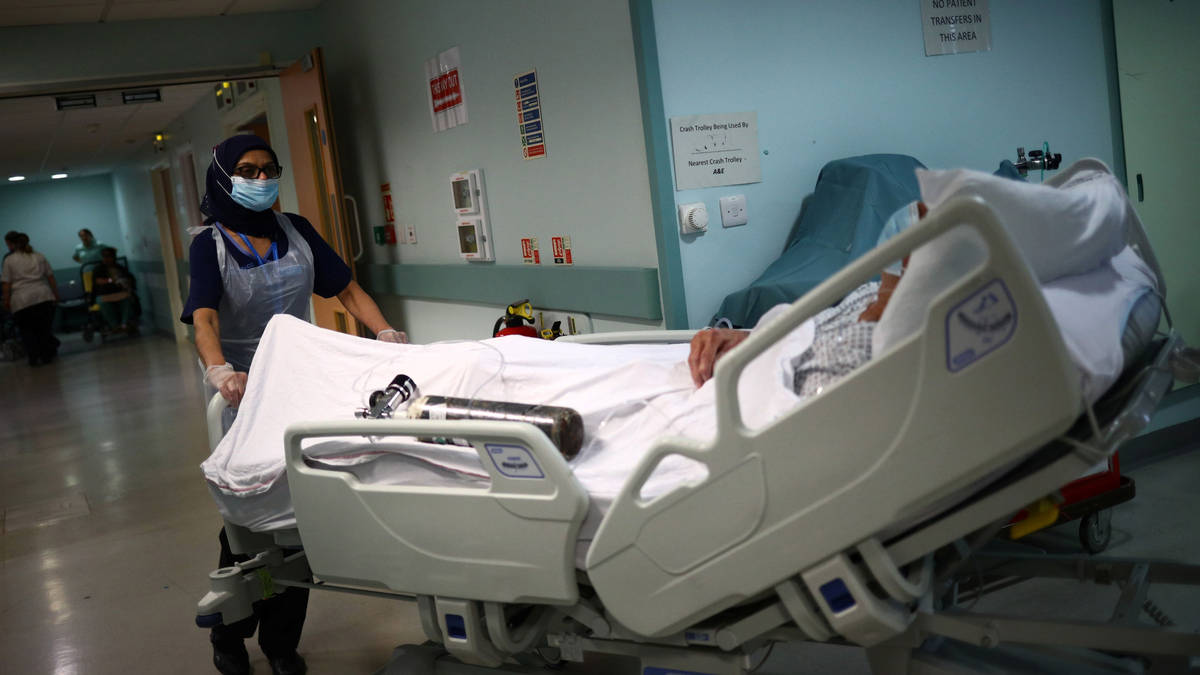
One-in-five A&E patients being treated in corridors as overcrowding epidemic continues
Experts said the findings show that the "shameful practice of corridor care is endemic".The study, carried out by Royal College of Emergency Medicine's (RCEM) Trainee Emergency Research Network (Tern), analysed five snapshots taken from 165 A&E departments in March 2025.It found 17.7 per cent of patients, or more than 10,000 people, were receiving care in "escalation areas", which were classed as any area not routinely used for care unless capacity in the emergency department is exceeded.This included corridors, waiting rooms, doubled-up cubicles and ambulances waiting outside to offload for more than 15 minutes.The proportion of escalation area patients in non-clinical areas such as corridors ranged from 54.5 per cent to 61.1 per cent, according to the study.Read More: NHS board harassed nurse who complained about trans doctor in female changing room, tribunal rulesRead More: Heated rhetoric and highly restrictive policies on immigration threaten the resilience of the NHS and social careResearchers said: "National guidance states escalation area use is not acceptable; this research demonstrates it is routine."The study also highlighted that the proportion of sites without any immediate resuscitation cubicle capacity ranged from 10.5 per cent to 26.2 per cent.Researchers said this represents "a significant patient safety issue".Dr Ian Higginson, president of the RCEM, said the study, published in the Emergency Medicine Journal, "reinforces that the shameful practice of corridor care is endemic in emergency departments in the UK"."The stark picture this paper paints reflects the stories we hear from our members nationwide - the volume of which are growing as we head into winter," he added."Just this week, one member told us of a patient having to wait two days for a bed in their department."It's important to note that these patients may be elderly, vulnerable, have mental health issues, or be children. They have been failed by successive governments."We are very concerned about the harm associated with long waits in emergency departments and how it puts patients' lives at risk - for every 72 patients who wait between eight and 12 hours before admission, there is one excess death. This should not be happening in a wealthy country."Dr Higginson said that it is "worrying" that the snapshots were taken in March and not the peak of winter.He said this "shows that corridor care is an issue all year round"."It can't be blamed on hiccups or flu," he added. "We fear this winter we will see gridlock."Last week, Health Secretary Wes Streeting pledged to end corridor care in hospitals in England by the next general election, "if not sooner".Dr Higginson said: "It is abundantly clear that this hasn't been given the priority it deserves."So whilst we were pleased to hear the promise from the secretary for health and social care to eradicate corridor care in England by 2029, it is vital that action is taken now across the four nations."The priority is to improve the way hospitals work, and to ensure that patients who don't need a hospital bed aren't in one, rather than focusing on redirection measures at the emergency department's front door."Only then will we start to see patients moving out of our corridors, into the beds they need."This study shows the urgency of the situation. We cannot wait years for things to improve."A Department of Health and Social Care spokesperson said: "Corridor care is unacceptable, undignified, and has no place in our NHS."That is why we will be publishing corridor waiting figures for the first time, so we can take the steps needed to eradicate it from our health service. Sunlight is the best disinfectant."It will take time to turn around the shocking situation we inherited, but we are already seeing green shoots of recovery, with ambulances arriving 10 minutes faster to stroke and heart attack patients than last year and handovers also almost 10 minutes quicker."An NHS England spokesperson said: "We know that too many patients are being cared for in corridors, and this should never happen."NHS teams have been working hard to limit this unacceptable way of caring for patients, while doing more to prepare for winter earlier than ever before."Our focus is firmly on getting patients out of corridors, keeping more ambulances on the road and enabling people who are ready to leave hospital to do so as quickly and safely as possible."