Mountain Family column: Primary care and behavioral health — a growing partnership for whole-person care
When I first joined Mountain Family Health Centers almost ten years ago, it was part of a broader effort to integrate mental health clinicians into primary medical care teams. The need was clear: according to the CDC, more than one in five primary care visits in 2020 involved a behavioral health concern – ranging from anxiety and depression to parenting stress and sleep issues. At the same time, research was increasingly highlighting the connection between mental health and chronic disease. For example, the American Diabetes Association reports people with diabetes are 2-3x more likely to suffer from depression. While medications and other medical interventions remain essential, modifiable lifestyle factors —like diet, exercise, sleep and stress management —play a powerful role in shaping the outcomes of many chronic conditions commonly managed in primary care, such as heart disease, cancer, diabetes and asthma. It made sense to bring in mental health clinicians, who are uniquely trained to address support patients in addressing motivation, habits, and emotional barriers, key ingredients for lasting behavior change.
As several behavioral health clinicians came on board at Mountain Family, there was genuine excitement about offering services “in house”. While primary care providers (PCPs) can address some mental health concerns, traditional models often rely on referrals to outside therapists or psychiatrists. Unfortunately, those referrals don’t always lead to care. Patients may face stigma around visiting a “mental health” facility, or struggle with logistics like time of work, transportation, or finding a provider who accepts their insurance and has availability.
Embedding behavioral health into primary care was our way of reducing these barriers, by offering support in a familiar setting and responding to mental health needs in real time. The rationale made sense, but in practice the team had questions: would patients feel comfortable meeting with behavioral health providers in an exam room? How would PCP’s, long accustomed to directing patient care, respond to sharing that role? And could treatment outside of traditional mental health settings truly be effective?Over ten years in, while we’re still a work in progress, integrated care is thriving at Mt. Family. I now work on a team of six behavioral health providers and four behavioral health advocates serving our HUB sites. In our model, patients can meet with a behavioral health provider on the same day as their medical appointment. For many patients, one visit is sufficient. Others benefit from multiple sessions, and we don’t impose a limit – our goal is to support patients until they have made meaningful progress or are ready to transition to specialty mental health care outside of Mountain Family.
This approach, known as Primary Care Behavioral Health (PCBH) is backed by research and supported by institutions like the Center for Integrated Primary Care at UMASS Chan Medical School, where our team received training that deepened our understanding of the evidence behind this work. Studies show that PCBH improves patient satisfaction, increases engagement in behavioral health care, and leads to symptom improvement. There is also promising evidence that integrated behavioral health care helps reduce health disparities, for example through allowing earlier intervention, improving access to care and fostering coordination among providers.
The idea that mental, emotional and physical health are deeply interconnected – and best addressed together – is not new. It reflects long-held wisdom from healing practices around the world. Models like PCBH simply show that Western medicine is beginning to catch up.
At Mountain Family, our interdisciplinary care teams include PCPs, behavioral health providers, dentists, hygienists, nurses and care coordinators, all working together to provide patient-centered, holistic health care. A typical day for me might include meeting with a patient like Juan, a young adult who came to the clinic for headaches. After his PCP ruled out medical causes such as hypertension, she invited me to join the visit. Juan shared that he was feeling stressed at work and recognized a pattern of avoiding conflict in relationships. He agreed to a follow-up behavioral health session, a step toward greater emotional insight and resilience.
Like many practices integrating behavioral health into primary care, we’ve faced challenges along the way. We’ve had to balance scheduled follow-ups with the need to stay available for in-the-moment encounters – an essential part of the PCBH model. Still, we’re seeing promising results. One data point that inspires me: 40% of the patients our behavioral health providers meet for a same-day consult go on to schedule a follow-up session, one sign of increased engagement in healthcare.
We’ve also begun making behavioral health and dental check-ins a routine part of annual physicals. Being part of these “integrated well checks” has prompted me to think more deeply about what prevention means in mental health. Just as medical providers implement screenings and provide information to reduce the risk of cancer, diabetes and heart disease, our behavioral health team explores the building blocks of emotional wellness, including stress management, supportive relationships, a sense of purpose, connection to community. These are powerful protective factors. A 2023 analysis published by the Journal of the American Medical Association found that loneliness increases the risk of mortality by 14%, while social isolation is associated with a 32% higher mortality risk.
The ways stress affects our health are complex, involving multiple biological systems. When I talk about stress with patients, I often start by simply acknowledging that we can’t eliminate it entirely. But we can develop personal strategies that are meaningful to us—tools that help us put stress into perspective and reduce its impact on our bodies and minds.
One of the most meaningful aspects of well checks—and of working in primary care more broadly—is the chance to pause and celebrate what’s going well. In the fast pace of daily life, many people rarely take time to reflect on their progress. At a recent visit, I met with Miriam, a patient who had made significant changes to her diet and exercise habits following a health scare. Her mood had lifted, and she was finding deeper joy in time spent with her husband and family. During our appointment, we created space for Miriam to slow down and recognize the strengths she was already drawing on to support her health. That kind of reflection is often overlooked, yet it can be profoundly transformative. It’s a privilege to witness these moments of growth and to see the many ways people thrive.
Many of the individuals I meet with don’t necessarily identify themselves as needing help with a mental health concern. Instead, our conversations might center on the challenges and rewards inherent in all stages of life: parents watching their children become independent, teens navigating the mixed emotions of their long-anticipated graduation, retirees considering their purpose after leaving a meaningful career, or people of all ages experiencing the grief of loss.
Sometimes, when I “pop in” during a well check or diabetes follow up, patients tell me they’re coping well but ask for a card for a friend or family member who’s struggling. These moments remind me that population health isn’t just about individual outcomes—it’s about increasing health literacy across the whole community.One common misconception about PCBH is that the behavioral health interactions are exclusively short term. What we’re realizing is that working in primary care, where individuals return year after year for a variety of health needs, actually allows our behavioral health providers to build long-term relationships and offer support across different stages of life. Rather than short term, our care is often “episodic”, with patients returning for several behavioral health follow-up sessions at various points in their care journey.
George is one example. In his 70s and single, he showed some signs of depression, including low mood and loss of interest. He declined traditional mental health treatments like medication or therapy, but agreed to let me check in during his medical visits. Over time, our conversations touched on his past relationships and fears about new ones. My colleague calls this “planting sees” – helping patients consider the benefits of engaging more deeply in mental health care, even if they’re not ready to dive in.
The positive outcomes we’re seeing from our PCBH implementation aren’t limited to patients. Our medical providers report that having behavioral health professionals on the team helps them feel better equipped to meet patient needs and reduces their own stress. Likewise, my fellow behavioral health providers say that collaborating with medical colleagues, who can prescribe psychiatric medications and address physical symptoms, is deeply rewarding. Together, we’re able to respond to complex patient issues and positive mental health screens in a coordinated, compassionate way. In the process, I’ve learned so much from my coworkers—and from our patients—about how chronic illness and mental health intertwine to shape wellness.
Of course, there is still a vital role for specialty mental health care, which provides intensive, ongoing support and psychiatric expertise for those who need it. A variety of care options is ideal, and Mt. Family aims to be a cooperative part of the broader continuum of mental health care in the counties we serve. Our hope is that integrating behavioral health services into primary care strengthens the place where many community members turn first—and that this, in turn, strengthens the health of our entire community.
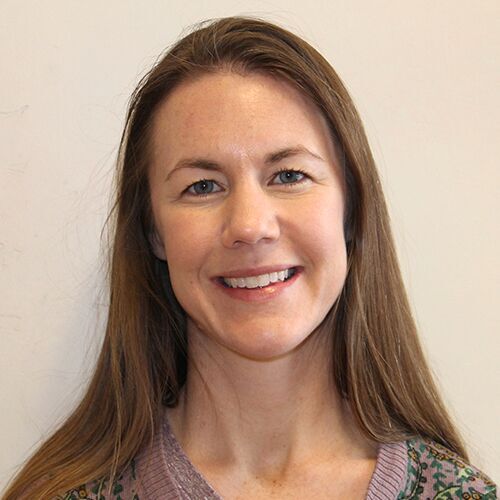
Sara Jacobs has been working in mental health and integrated health settings since 2010. Sara earned her Master of Social Work degree from University of Maryland in 2010. She also holds a Licensed Addiction Counselor credential. Sara is a big believer in Mountain Family’s integrated approach to health care and wellness. Sara sees adolescents, adults and seniors for therapy. Sara’s style is strengths-based, and she has training and experience in trauma treatments including Eye Movement Desensitization and Reprocessing (EMDR). A Portland, Oregon, native, Sara has called the Roaring Fork Valley home since 2010. After hours, she enjoys reading, baking, and spending time with her family.





Comments (0)