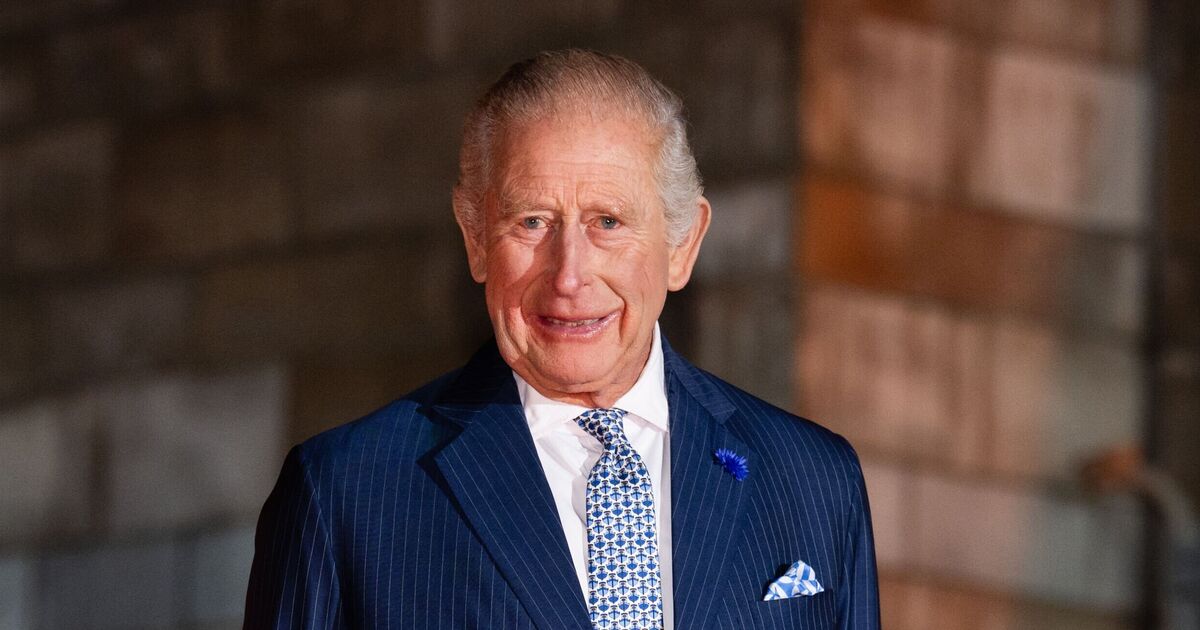
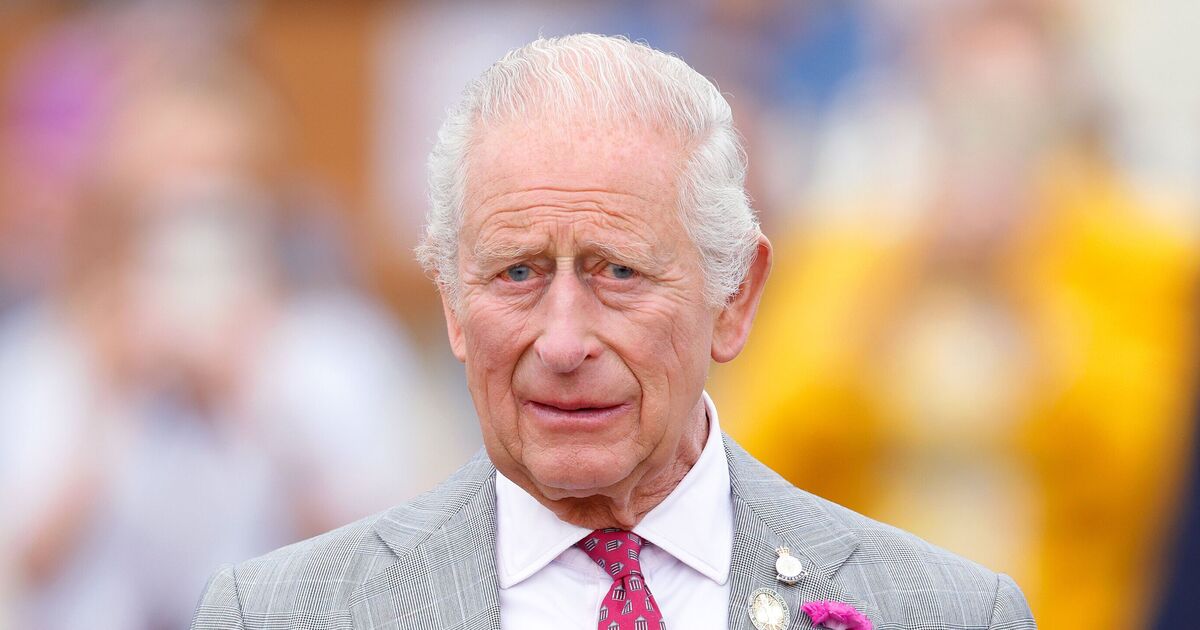
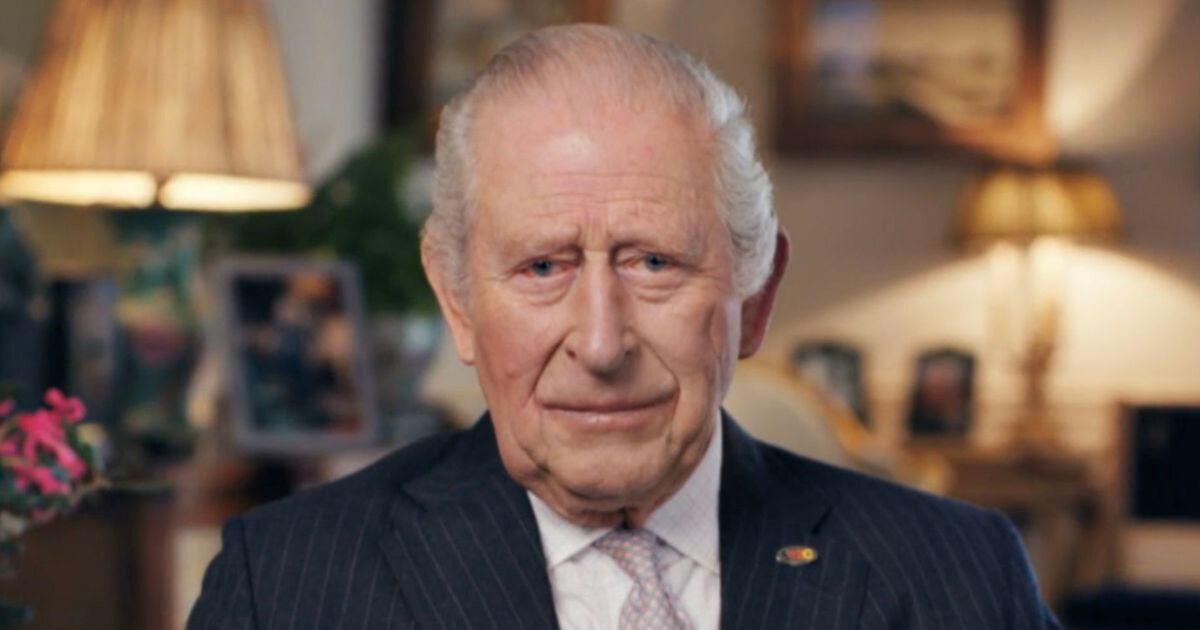
Tonight, King Charles told the nation that from the New Year his cancer treatment schedule will be reduced. He described the "good news" as a personal blessing and credited early diagnosis with being able to lead "a full and active life" during his treatment.
Broadcast as part of this year's Stand Up To Cancer campaign, run by Cancer Research UK and Channel 4, the King turned his attention to the importance of early diagnosis and urged people to attend cancer screenings.
“This December, as we gather to reflect on the year past, I pray that we can each pledge, as part of our resolutions for the year ahead, to play our part in helping to catch cancer early,” he said. “Your life - or the life of someone you love - may depend upon it.”
The King's full cancer message is outlined in full below:
This is a season when our thoughts turn to celebrations with our friends and families. In the midst of this festive period, I just wanted to ask you to join me today in finding a special place in your hearts, and your minds and prayers for the hundreds of thousands of people across our United Kingdom who receive a cancer diagnosis each year – and for the millions more who love and care for them.
I know from my own experience that a cancer diagnosis can feel overwhelming. Yet I also know that early detection is the key that can transform treatment journeys, giving invaluable time to medical teams – and, to their patients, the precious gift of hope. These are gifts we can all help deliver.
Throughout my own cancer journey, I have been profoundly moved by what I can only call the "community of care" that surrounds every cancer patient - the specialists, the nurses, researchers and volunteers who work tirelessly to save and improve lives.
But I have also learned something that troubles me deeply – at least nine million people in our country are not up to date with the cancer screenings available to them. That is at least nine million opportunities for early diagnosis being missed.
The statistics speak with stark clarity. To take just one example: When bowel cancer is caught at the earliest stage, around nine in ten people survive for at least five years. When diagnosed late, that falls to just one in ten.
Early diagnosis quite simply saves lives.
Now, I have heard this message repeatedly during my visits to cancer centres across the country. I know, too, what a difference it has made in my own case, enabling me to continue leading a full and active life, even while undergoing treatment. Indeed, today I am able to share with you the good news that thanks to early diagnosis, effective intervention and adherence to ‘doctors’ orders’, my own schedule of cancer treatment can be reduced in the New Year.
This milestone is both a personal blessing and a testimony to the remarkable advances that have been made in cancer care in recent years; testimony that I hope may give encouragement to the fifty per cent of us who will be diagnosed with the illness at some point in our lives.
Yet too often, I am told, people avoid screening because they imagine it may be frightening, embarrassing or uncomfortable. If and when they do finally take up their invitation, they are glad they took part.
A few moments of minor inconvenience are a small price to pay for the reassurance that comes for most people when they are either told either they don’t need further tests, or, for some, are given the chance to enable early detection, with the life-saving intervention that can follow.
This is why I am so encouraged to learn about the new national Screening Checker that is available online. This simple tool allows you to check whether you are eligible for breast, bowel or cervical cancer screening. It demystifies the process, answers your questions, and guides you towards taking that crucial step.
As I have observed before, the darkest moments of illness can be illuminated by the greatest compassion. But compassion must be paired with action.
This December, as we gather to reflect on the year past, I pray that we can each pledge, as part of our resolutions for the year ahead, to play our part in helping to catch cancer early. Your life - or the life of someone you love - may depend upon it.
Therefore, this brings my most heartfelt thanks to the doctors, nurses, researchers and charity workers involved in diagnosis and treatment programmes, together with my particular good wishes to those for whom they care so selflessly.