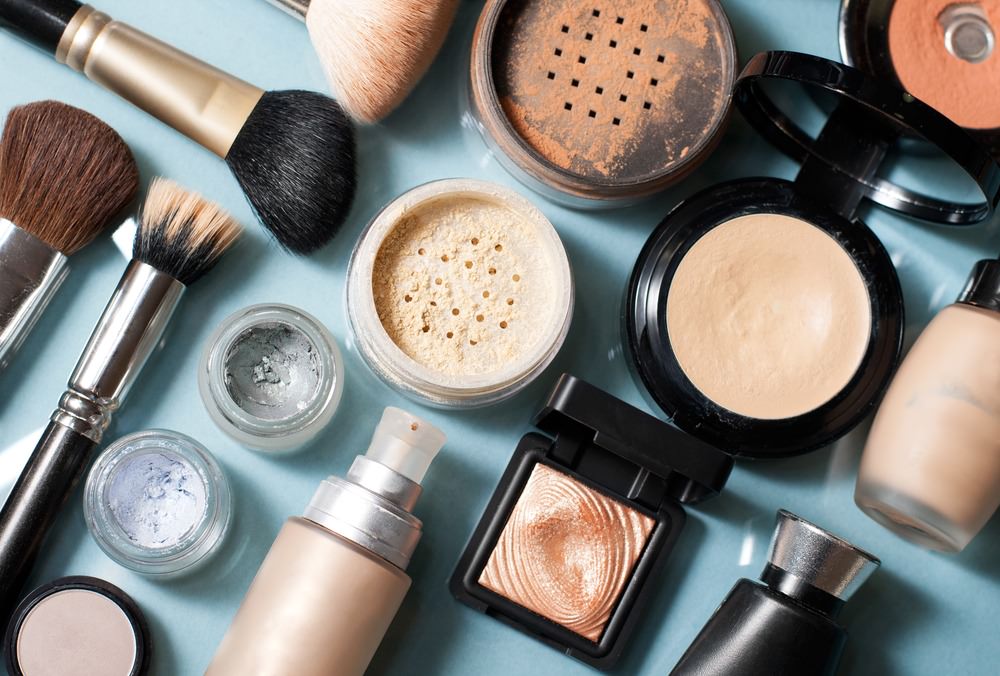
Makeup is making the planet ugly. The beauty industry generates approximately 120 billion packaging items annually, most of which end up in landfills. Most beauty packaging is too small, made of mixed materials, or too flexible to be accepted by municipal curbside recycling programs. Compacts, lipstick tubes, mascara wands, pumps, and travel-size containers are typically not accepted at standard recycling facilities.
A growing number of brands, retailers, and nonprofit organizations have responded by creating specialized recycling programs for hard-to-recycle beauty packaging. This shift reflects increasing corporate awareness of the industry’s environmental impact—and presents an opportunity for consumers to support companies that take responsibility for their products throughout their life cycles.
Before diving into recycling options, consider purging your makeup collection first. Empty out every bag, drawer, suitcase, and purse: no compact left behind. First, determine what’s no longer needed. Check expiration dates and color-match everything. A clean and safe makeup collection requires staying up to date on everything in it.
Get Ready To Recycle Makeup
Start with that old makeup at the back of the drawer or the bottom of the bag. Maybe it came as a freebie, maybe it’s been years since that bronzer saw the light of day, or maybe a color just never worked. Whatever the case, most people have items they’ve kept around for some reason.
If products are gently used or unopened and still within their shelf life, look up local women’s shelters. Many accept cosmetics donations, sanitize them, and distribute them to women who otherwise couldn’t afford them. Organizations like Project Glimmer also distribute beauty products to underserved women and girls.
For products that are definitely used or empty, check whether the brand has a recycling program. If no buy-back option exists, consider reusing the container—clean it thoroughly and repurpose it for storage, DIY projects, or offer it to someone who makes their own cosmetics.
Once reuse options are exhausted, recycling programs can ensure packaging doesn’t end up in a landfill. The options available have expanded significantly, with Pact Collective now offering drop-off locations and multiple brands operating take-back programs.
Preparing Empties for Drop-Off
All packaging must be clean and empty. Contaminated items, that is, packaging with product residue, cannot be recycled and will be sent to waste-to-energy instead. By cleaning empties thoroughly, consumers increase the likelihood that packaging will be mechanically recycled into new products.
Save at least 5 empties before cleaning to reduce water usage.
Disassemble caps, pumps, and closures to clean each component
Soak items in hot, soapy water rather than running them under hot water continuously.
Use straw brushes for small openings, such as mascara tubes.
Cut open flexible tubes to thoroughly clean the inside.
Drop items into bins unbagged.
Check Local Recycling Options
Municipal recycling rules and what is accepted still vary significantly by location. Before assuming packaging must go to a specialized program, check what your local program accepts. Some cities now accept all plastics regardless of resin code, while others remain limited to #1 and #2 containers. Use Earth911’s Recycling Search to find recycling options near you, including both curbside programs and specialized drop-off locations.
Send these items through your curbside recycling bin:
Rigid plastic containers #1, #2, and #5
Stainless steel or aluminum containers
Clear or frosted glass jars and bottles (check local guidelines)
Hazardous materials that require special disposal (
check Earth911 for household hazardous waste locations):
Aerosol products
Nail polish and nail polish remover
Pressurized containers
Pact Collective: Industry-Wide Beauty Recycling
Pact Collective is a nonprofit organization founded in 2021 by MOB Beauty and Credo Beauty to collect beauty packaging waste across the industry. Now with over 150 member companies, including L’Oréal, Sephora, Ulta Beauty, ILIA, and Summer Fridays, Pact represents a significant shift toward collective corporate responsibility.
Pact is brand-agnostic: any beauty packaging that meets Pact’s collection guidelines can be dropped off, regardless of whether the brand is a Pact member. This approach prioritizes volume collection over brand loyalty, making participation straightforward for consumers.
Pact Drop-Off Locations
Pact maintains over 3,300 collection bin locations across North America at major beauty retailers:
Ulta Beauty: All 1,350+ U.S. locations through The Beauty Dropoff program, the largest beauty packaging collection program by door count in the country
Sephora: All 600+ North American stores through the Beauty (Re)Purposed program
Credo Beauty: All locations (Credo is a Pact co-founder and contributes roughly 50% of material collected from in-store bins despite representing only 1% of Pact’s bin footprint)
L’Occitane en Provence: Participating stores
Saks Fifth Avenue: Participating stores
Nordstrom Rack: Participating stores
ILIA and Fenty Beauty: Select locations
What Pact Accepts
Hard-to-recycle beauty packaging smaller than a fist:
Mascara tubes and wands
Lipstick tubes and lip gloss containers
Compact cases and palettes
Eyeliner pencils and containers
Foundation bottles and tubes
Small skincare containers
Pumps, caps, and closures
Flexible tubes (squeezable packaging)
Pact Mail-Back Program
Consumers without access to a drop-off bin can use the Pact paid mail-back program. The service costs $5 for a prepaid shipping label, and some partner brands offer discount codes to help offset the cost. Pact encourages using in-store bins when possible, as bulk shipping is more environmentally efficient than individual mail-back packages.
Brand Take-Back Programs
Several beauty brands operate their own recycling programs, reflecting growing recognition that companies bear responsibility for their packaging through the end of life. Supporting brands with take-back programs sends a market signal that sustainability matters to consumers.
MAC Cosmetics: Back 2 MAC
One of the longest-running beauty recycling programs, Back 2 MAC has operated for over 30 years. Return clean, empty MAC packaging in-store or online for recycling through a partnership with Close the Loop. MAC’s signature black plastic is processed through a closed-loop system and remanufactured into new MAC compacts. Items not eligible include liquid lipsticks, glitters, pigments, fragrances, nail lacquers, and aerosols. The program is not available in California due to local regulations.
Lush: Bring It Back
Lush operates a closed-loop recycling system for their iconic black polypropylene pots. Return clean #5 PP plastic pots (4.5g/1.5oz and larger), including makeup packaging like mascara tubes and lip tubes, to any Lush store. In exchange, receive $1 off per item returned, or bring five items for a free fresh face mask. The returned plastic is shredded, washed, pelletized, and remolded into new Lush pots. In 2024, Lush’s Green Hub processed over 1,700 tons of waste, with an 18% return rate on pots produced—up from 15% the previous year.
TerraCycle Programs
TerraCycle partners with brands and retailers to offer beauty packaging recycling through both free brand-sponsored programs and paid Zero Waste Boxes. Free programs are available through brands including Burt’s Bees, Farmacy, Bliss, and LimeLife by Alcone. Retailers like Nordstrom’s BEAUTYCYCLE program and Saks Fifth Avenue partner with TerraCycle to collect and process makeup packaging through in-store and mail-in programs.
According to TerraCycle’s life-cycle analysis, their beauty waste recycling process is 74% better for the environment than landfills and 67% better than waste-to-energy, with 98% of collected waste recycled.
Buying Responsibly
The biggest lesson in makeup disposal is how products get there in the first place. The most important step you can take to reduce beauty packaging waste happens when you make a purchase. Choose brands that take responsibility for their environmental impact:
Choose refillable packaging: Many brands now offer refill options for foundations, lipsticks, and compacts. Purchasing refills instead of entirely new packaging significantly reduces waste.
Look for packaging-free products: Solid shampoo bars, bar cleansers, and other “naked” products eliminate packaging entirely. Lush pioneered this approach, with 30-50% of their products sold without packaging, and many other brands now offer solid alternatives.
Support Pact Collective members: Brands that are Pact members have committed to improving packaging sustainability and funding collection programs. The organization’s 150+ members include L’Oréal, Credo Beauty, Summer Fridays, ILIA, Fenty Beauty, and many indie brands.
Consider mono-material packaging: Products packaged in a single material type (like all-polypropylene containers) are easier to recycle than mixed-material packaging with metal springs, multiple plastic types, or glass-and-plastic combinations.
Use what you have: Before buying new products, use the ones you already have completely. Check expiration dates on current makeup and finish products before replacing them.
Makeup recycling options have expanded considerably. With Pact Collective’s 3,300+ bin locations at major retailers and its multiple brand take-back programs, there are more pathways to keep cosmetics packaging out of landfills. Remember the key steps:
Clean empties thoroughly, check what’s accepted by the recycling program, and drop off or mail back.
For curbside-recyclable items (larger containers in #1, #2, or #5 plastic), use your municipal recycling program.
For hard-to-recycle items smaller than a fist, Pact offers the most accessible solution.
The growing range of recycling options reflects the beauty industry’s increasing awareness of its environmental impact. Supporting brands and retailers that invest in take-back programs, collection infrastructure, and circular packaging design helps accelerate this shift, making it easier for everyone to be a friend of the planet, and that’s beautiful.
Editor’s Note: This article was originally published on January 2, 2017, and we most recently updated in December 2025. Feature mage courtesy of Shutterstock.com
Post navigation








Comments (0)