
Remember me





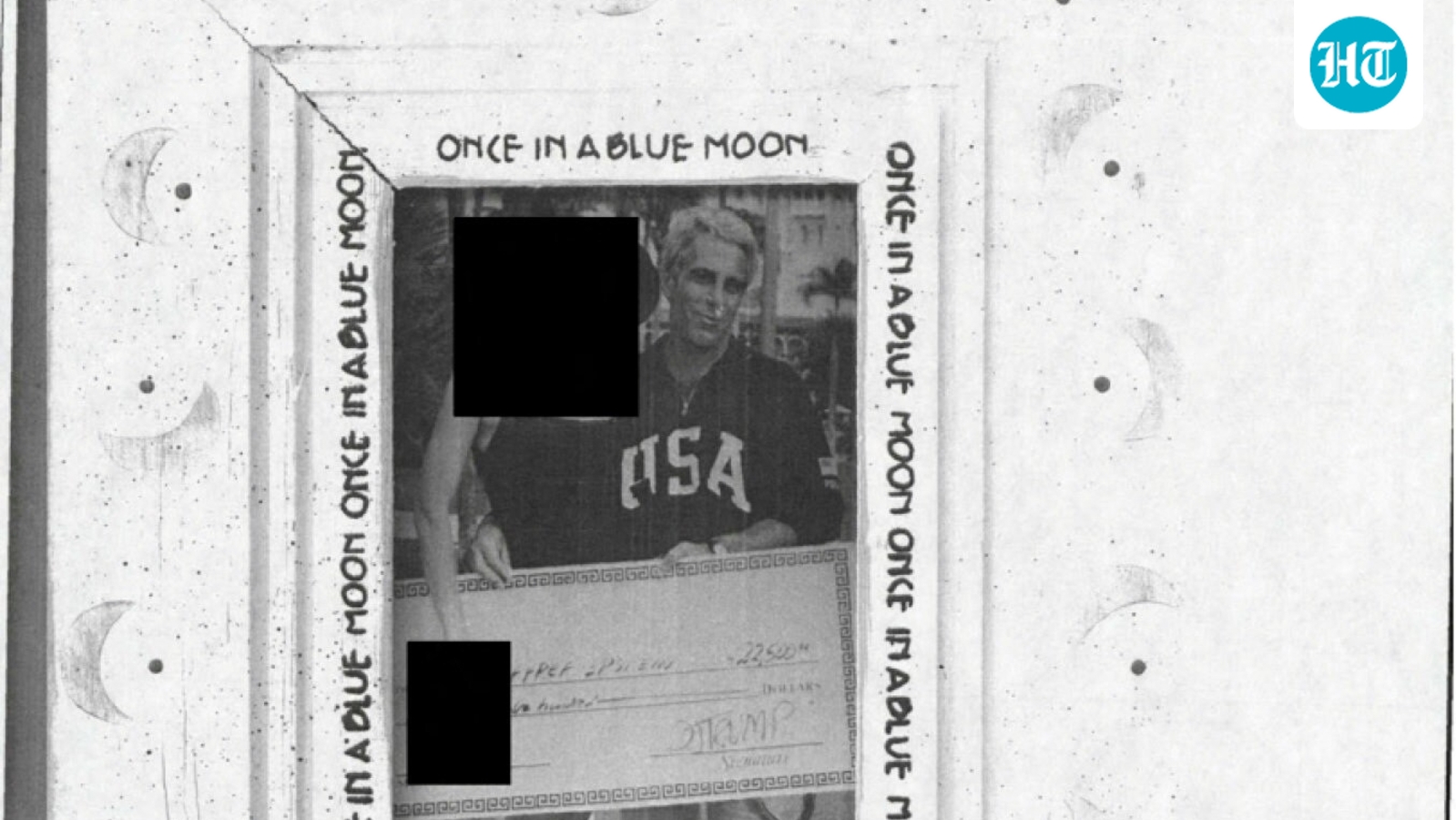
The US Justice Department on Friday released more than 300,000 pages of records from its investigations into the late financier and convicted sex offender Jeffrey Epstein, bowing to pressure from lawmakers who forced disclosure through a new bipartisan law.
 Late financier and convicted sex offender Jeffrey Epstein and Sultan Ahmed bin Sulayem, Emirati businessman and Chairman and Group CEO of DP.(Reuters File)
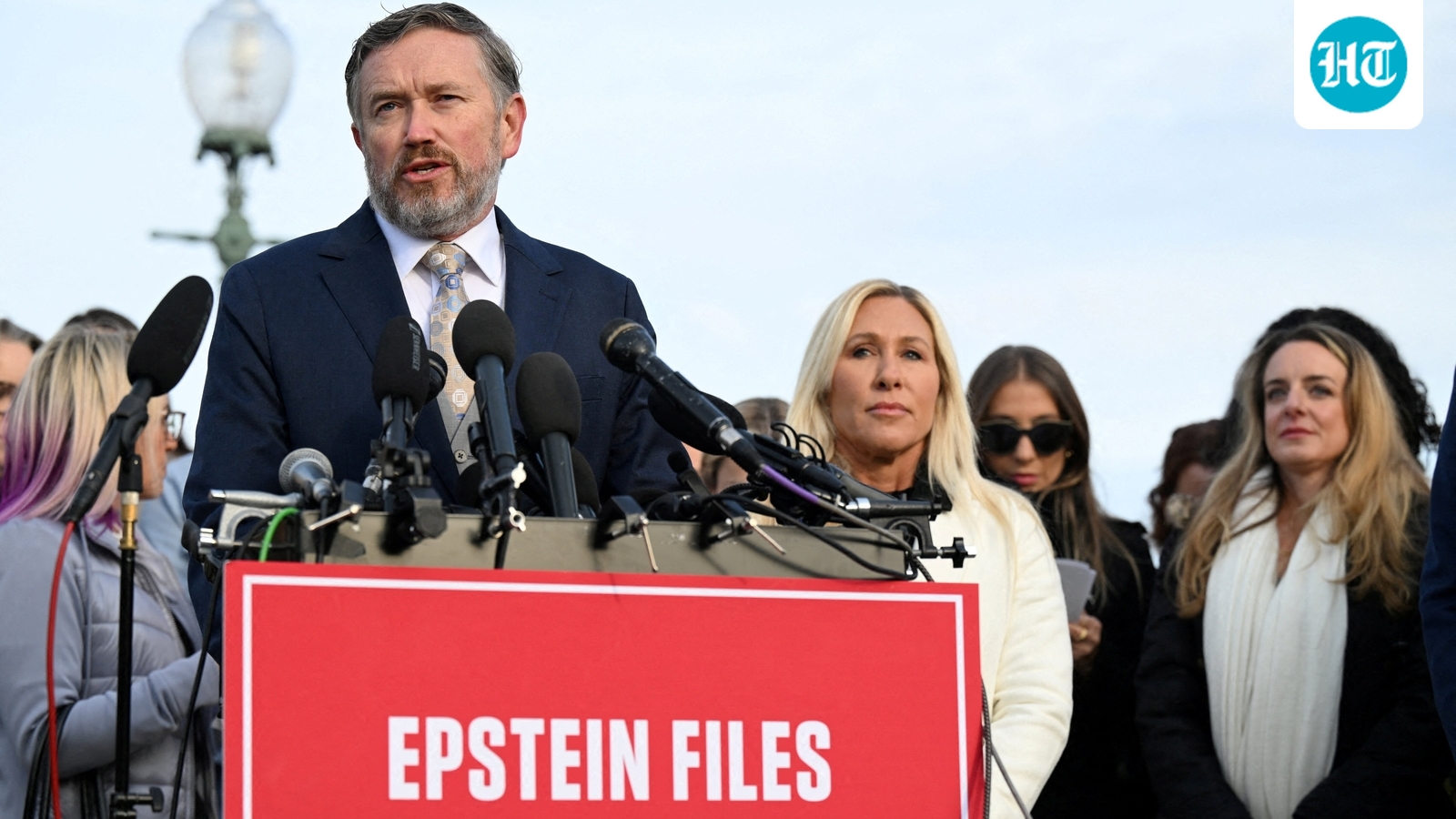
 The release comes at the end of months of political wrangling and a rare rebellion by some of President Donald Trump’s staunchest supporters, who accused his administration of dragging its feet on making public all records tied to Epstein. Trump signed the Epstein Files Transparency Act into law on November 19 after Congress overwhelmingly approved it, giving the Justice Department 30 days to release most unclassified material related to Epstein, including files concerning the investigation into his 2019 death in a Manhattan jail, which was ruled a suicide.
Deputy Attorney General Todd Blanche said the department released “hundreds of thousands” of pages on Friday and would publish several hundred thousand more in the coming weeks. In a letter to Congress, Blanche said additional documents were still under review and that it could take up to two more weeks to complete the process. He added that the files identify more than 1,200 names of victims or their relatives.
It was not immediately clear how much new information the latest release contains, given that many Epstein-related records have already entered the public domain since his death. Reuters said it was reviewing the newly released documents. The Justice Department also posted a warning alongside the files, saying that “all reasonable efforts have been made” to redact victims’ personal information, while cautioning that some sensitive details could have been inadvertently disclosed.
Among the materials released were several photographs of former Democratic President Bill Clinton, including one showing him in a swimming pool with Epstein’s longtime associate and co-defendant Ghislaine Maxwell, along with another individual whose face was obscured. Clinton did not immediately respond to requests for comment, but has previously said he regrets socialising with Epstein and was unaware of any criminal activity. The inclusion of the images raised questions about Justice Department policy, as Trump has ordered an investigation into Clinton’s ties to Epstein, and material linked to active investigations is typically withheld.
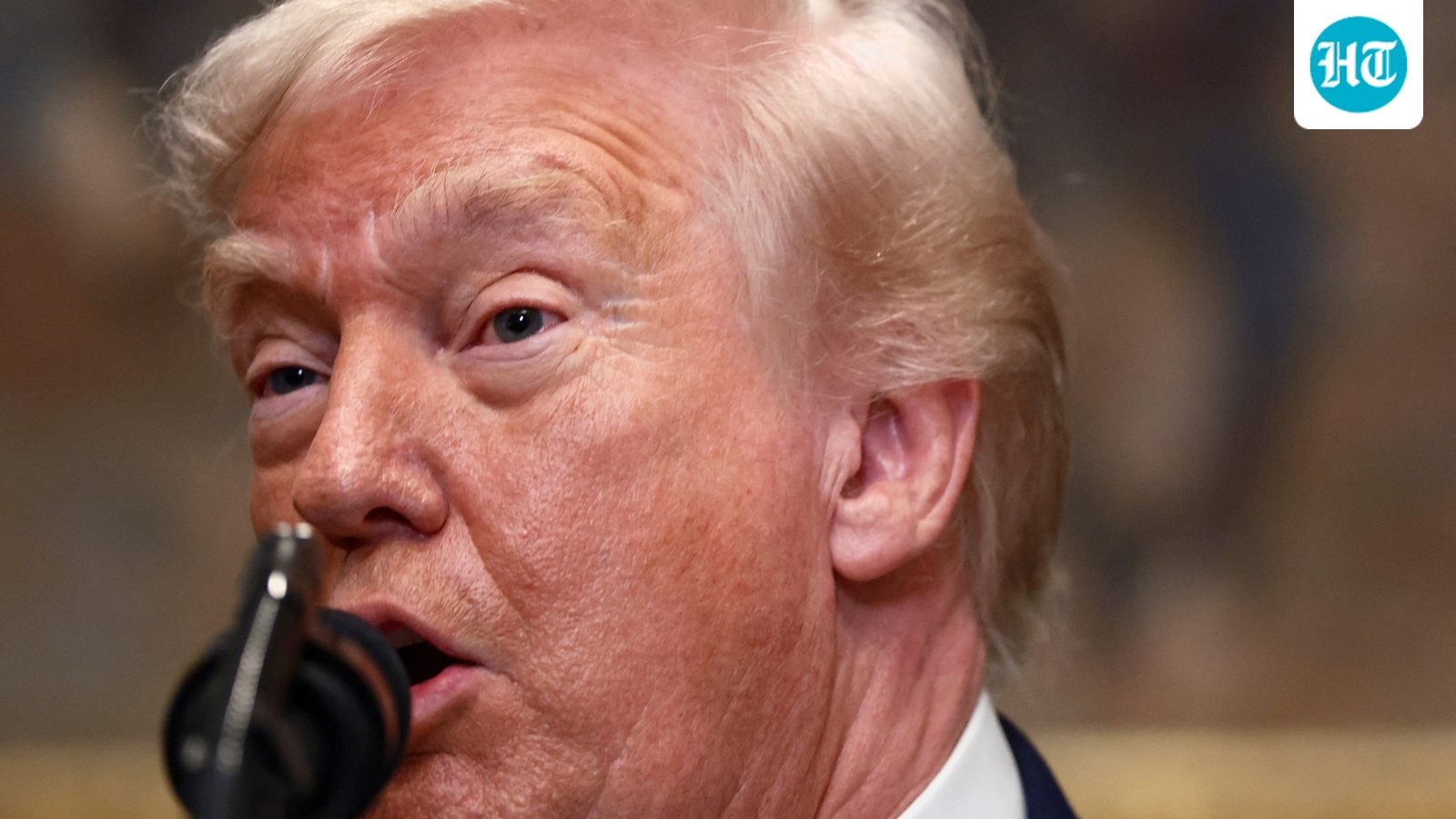
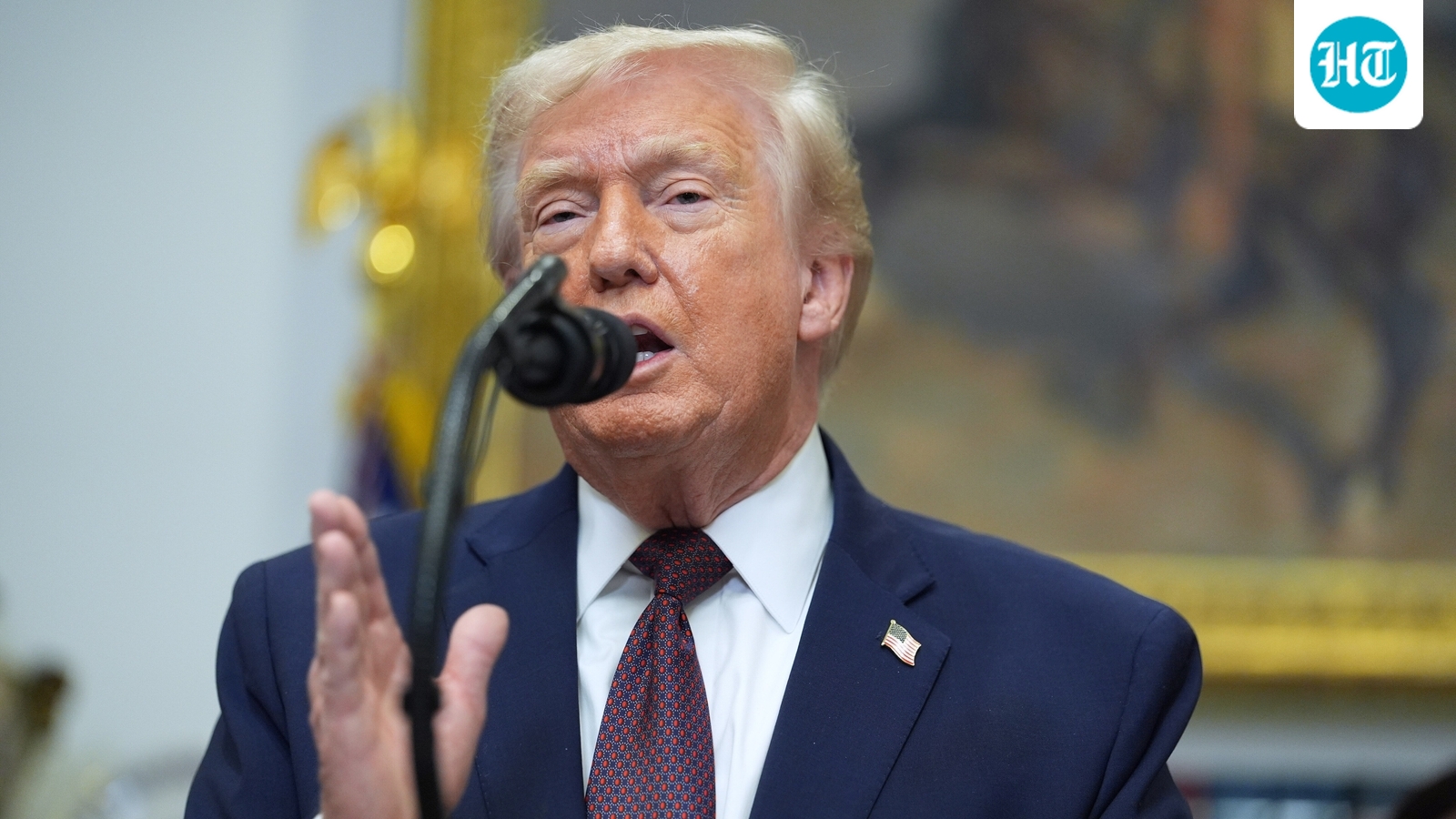
Trump, who was once friendly with Epstein before a falling out in the mid-2000s, has denied any knowledge of Epstein’s sex trafficking and has not been accused of wrongdoing. Still, the case carries enormous political sensitivity for the president. During the 2024 campaign, Trump promised to declassify the government’s Epstein files if elected, but after returning to office he dismissed calls for transparency as a “Democrat hoax” and initially urged Republicans to oppose the disclosure law, warning it could set a dangerous precedent.
The administration’s reluctance fuelled accusations from Trump voters that the government was covering up Epstein’s ties to powerful figures and obscuring details surrounding his death. A July memo from the FBI and Justice Department stating there was “no credible evidence” Epstein maintained a “client list” or blackmailed prominent individuals triggered fresh outrage among the president’s base and helped galvanise support for the transparency bill.
Democrats criticised what they described as an incomplete release. Senate Minority Leader Chuck Schumer said the administration had failed to meet the spirit of the law. “The Trump administration had 30 days to release ALL the Epstein files, not just some,” Schumer said, calling the move “a cover up.”
The White House rejected that criticism. “By releasing thousands of pages of documents, cooperating with the House Oversight Committee’s subpoena request, and President Trump recently calling for further investigations into Epstein’s Democrat friends, the Trump Administration has done more for the victims than Democrats ever have,” it said in a statement.
Last month, House Democrats released thousands of emails obtained from Epstein’s estate, including one in which Epstein wrote that Trump “knew about the girls,” without explaining what he meant. Trump accused Democrats of promoting the “Epstein Hoax” as a political distraction. House Republicans released additional emails the same day, including one claiming Trump visited Epstein’s home many times but “never got a massage.”
Two days later, Trump ordered the Justice Department to investigate Epstein’s connections to Clinton and JPMorgan Chase. Despite White House efforts to delay a vote, Congress passed the disclosure law the following week, forcing Friday’s release.
Previous Epstein disclosures have shown that even after his 2008 conviction for soliciting a minor, Epstein continued corresponding with high-profile figures, including former Trump adviser Steve Bannon, former US Treasury Secretary Larry Summers, PayPal founder Peter Thiel and Britain’s Prince Andrew, now known as Andrew Mountbatten-Windsor, who was stripped of his royal titles over revelations about his links to Epstein. Summers stepped back from roles at Harvard University, OpenAI and other institutions after documents showed he remained in contact with Epstein until 2019, saying he was “deeply ashamed” of his actions. JPMorgan paid $290 million in 2023 to settle claims from Epstein’s victims that it ignored red flags and kept him as a client for years after his conviction.
Epstein’s former girlfriend Ghislaine Maxwell remains the only person convicted in connection with his crimes. She is serving a 20-year prison sentence for recruiting underage girls for Epstein.
While the law allows prosecutors to withhold material that would jeopardise active investigations or reveal victims’ identities, the partial nature of the release means the Epstein issue is unlikely to fade quickly. A recent Reuters/Ipsos poll found that only 44% of Republicans approve of Trump’s handling of the matter, compared with his overall approval rating of 82% within the party, underscoring the lingering political risk for the president as he seeks to refocus on cost-of-living concerns ahead of the 2026 midterm elections.