
Remember me




Scottish Water has been accused of putting people’s health at risk after failing to shut off supplies contaminated with E-coli for almost a year.
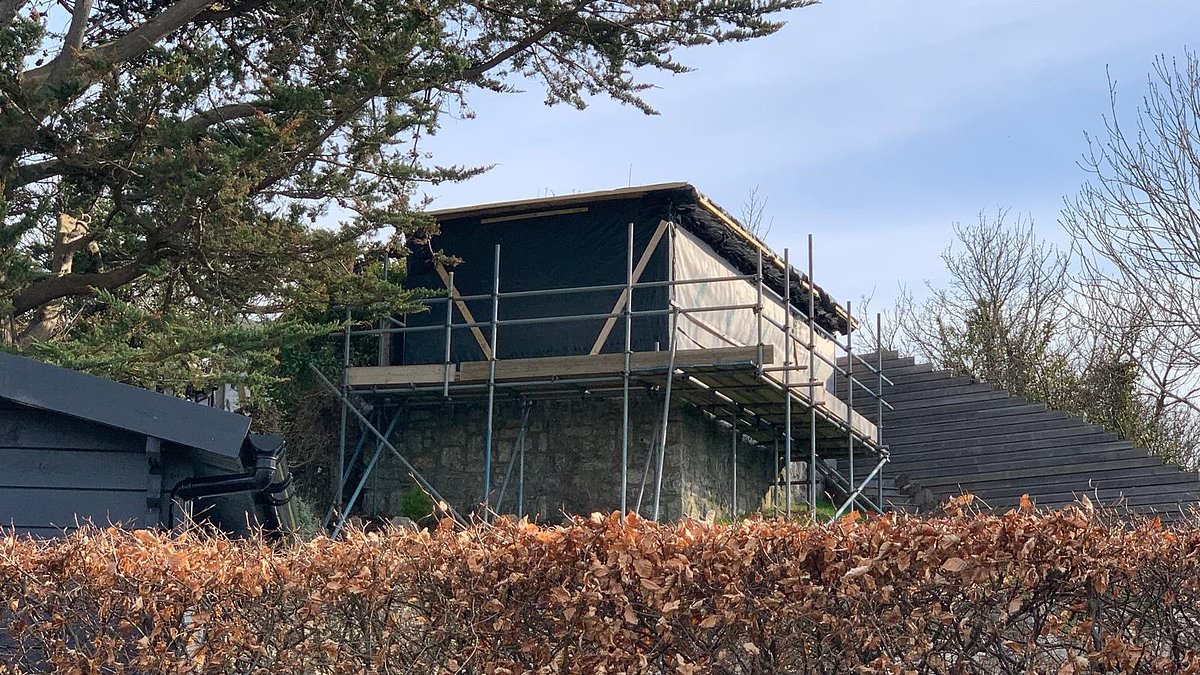
Tests found deadly bugs in a storage reservoir above the village of Burghead in Moray three times last year, but the company carried on piping from it into thousands of domestic taps until July.
It is part of a network of nearly 1,300 treated water storage points (TWSPs) that watchdogs condemned as a ‘danger to human health’ in 2023, slapping Scottish Water with an enforcement notice to clean them up.
It comes as households face an inflation-busting 40 per cent hike in their water bills over six years.
Meanwhile, executives of the state-owned utility pocketed taxpayer-funded bonuses totalling £236,000 last year despite many of the suspect tanks not even undergoing initial inspections.
Locals supplied by the Clarklyhill storage reservoir are now demanding answers.

Scottish Water is responsible for providing fresh, clean drinking water

E-coli was one of the bugs found during checks on water storage points

David Reynolds, water quality regulator for Scotland, concluded that leaving the reservoir in service 'was a clear risk to public health'
Burghead and Cummingston Community Council secretary Jamie Campbell: ‘At no point did Scottish Water notify anyone in Burghead about these ongoing problems.
‘We have major concerns about the risk they have put to the town. We’re upset and very angry.’
The Scottish Mail on Sunday told in 2023 that the Drinking Water Quality Regulator (DWQR) had ordered Scottish Water to carry out an emergency clean-up of its TWSPs. Each typically contains tens of thousands of litres of water and, together, they supply millions of homes and facilities.
Often buried underground, they should be kept sealed and secure to limit the risk of contamination.
But the watchdog intervened following a series of alerts, including one in which animal remains were found at the bottom of a tank near Hollybush, Ayrshire.
Coliform – contained in faeces –was also detected in water at facilities in Darvel, Ayrshire, and at Oyne, Aberdeenshire.
DWQR insisted Scottish Water’s ‘significant failings’ had created a ‘backlog of inspection and repair’. But Clarklyhill remained open despite bugs being discovered in tests in September, November and December last year, the company only finally shutting it in July.

Jamie Campbell, of Burghead and Cummingston community council,said he was concerned to hear about the water quality issues
In a withering report, regulator David Reynolds concluded: ‘Leaving the reservoir in service was a clear risk to public health.’
Since the enforcement notice was served in 2023, Scottish Water has inspected and cleaned 723 of its 1,286 TWSPs. Among those, faults were detected in at least 173, with work carried out or temporary fixes put in place pending repair.
However, Scottish Water was unable to say exactly how many TWSPs have been cleaned, fixed and are in proper working order and admits it has been unable to ‘isolate and inspect some tanks’.
Mr Reynolds also issued a fresh enforcement notice for the outstanding work.
A Scottish Water spokesman said: ‘At Clarklyhill, we repaired the tank, completed a flood test and put it back in service.
‘Subsequently, we had a water test fail, so have since removed the tank again to undertake further root-cause analysis. This is in line with updated protocols.’
Comments (0)