
Remember me


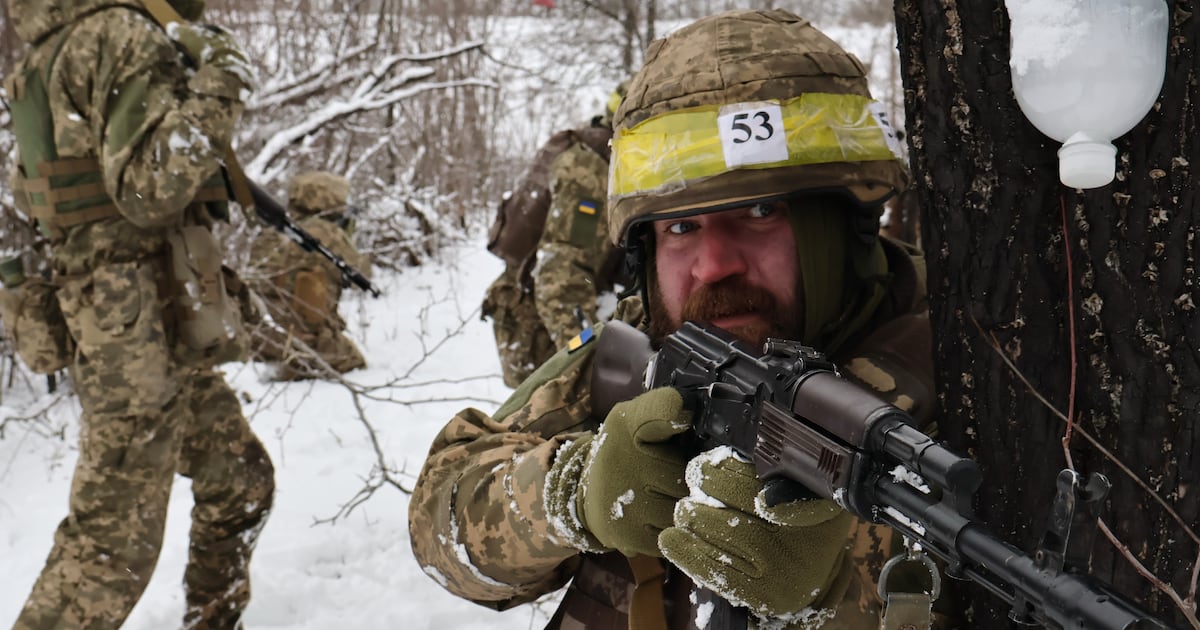




Leaders from Europe and Canada have held talks on US-led peace efforts to end the nearly four-year war between Russia and Ukraine, as Moscow and Kyiv sparred over Russian claims, denied by Ukraine, of a mass drone attack on a residence used by President Vladimir Putin.
The virtual meeting included European leaders as well as Canadian prime minister Mark Carney, heads of European institutions and Nato secretary-general Mark Rutte, according to Polish prime minister Donald Tusk.
“Peace is on the horizon,” Mr Tusk told a Polish cabinet meeting.
 Poland’s prime minister Donald Tusk said ‘peace is on the horizon’ (Geert Vanden Wijngaert/AP) (Geert Vanden Wijngaert/AP)
 But he added: “It is still far from a 100% certainty.”
It was the first meeting of European leaders since US president Donald Trump hosted Ukrainian president Volodymyr Zelensky at his Florida resort on Sunday.
Mr Trump insisted that Ukraine and Russia were “closer than ever before” to a peace settlement, although he acknowledged that outstanding obstacles could still prevent a deal.
Mr Zelensky announced plans on Tuesday for upcoming meetings with officials from about 30 countries, dubbed the Coalition of the Willing, which support Kyiv’s effort to end the war with Russia on acceptable terms.
National security advisers from these countries aim to meet in Ukraine on January 3, followed by a meeting of the countries’ leaders on January 6 in France, he said on social media.
He thanked Trump administration officials for their readiness to participate but provided no further details.
“We are moving the peace process forward,” German chancellor Friedrich Merz, who attended the talks, said in a post on X.
“Transparency and honesty are now required from everyone — including Russia.”
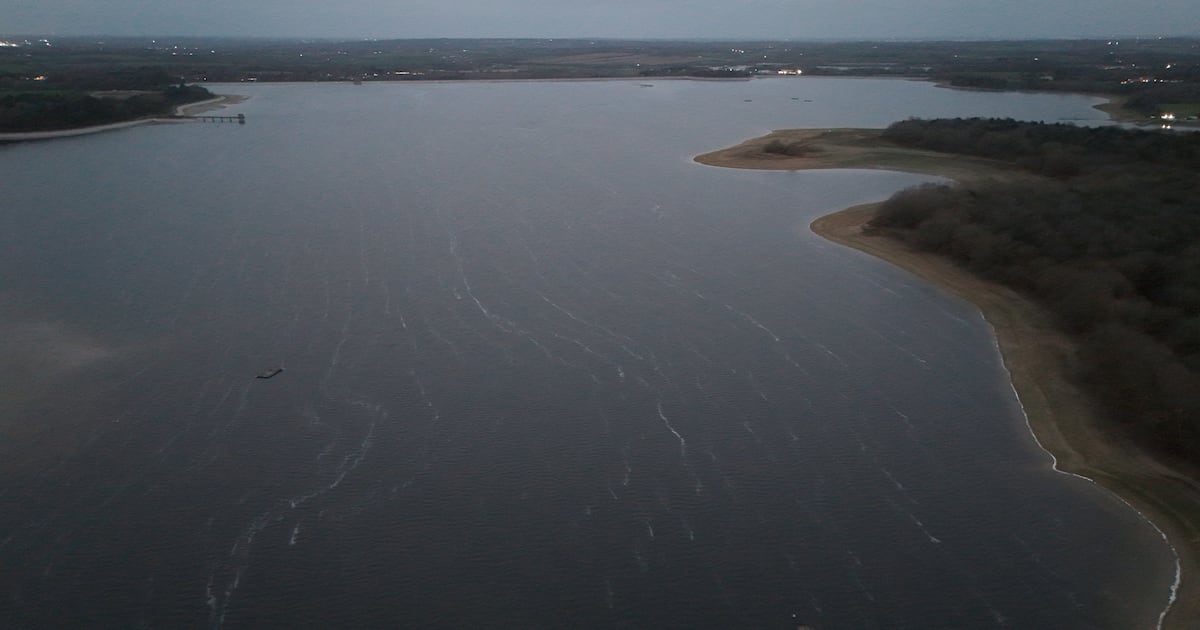
His pointed reference to Russia came after Russian and Ukrainian officials exchanged bitter accusations over Moscow’s allegations that Ukraine attempted to attack the Russian leader’s lakeside residence in north-western Russia with 91 long-range drones almost immediately after Mr Trump’s Sunday talks with Mr Zelensky.
 US president Donald Trump hosted Ukrainian president Volodymyr Zelensky at his Florida resort on Sunday (Alex Brandon/AP) (Alex Brandon/AP)
 The claims and counterclaims threatened to derail peace efforts.
“I don’t like it. It’s not good,” Mr Trump said on Monday after Mr Putin told him by phone about the alleged attack.
Ukrainian foreign minister Andrii Sybiha noted on Tuesday that Russia “still hasn’t provided any plausible evidence” to support its allegations.
Moscow would not do so because “no such attack happened”, he wrote on X.
“Russia has a long record of false claims,” he added, referencing the Kremlin’s denials it intended to attack Ukraine ahead of its February 24 2022 all-out invasion of its neighbour.
Mr Zelensky, speaking on Monday, also branded the allegation as “another lie” from Moscow designed to sabotage peace efforts.
Kremlin spokesperson Dmitry Peskov countered on Tuesday that the alleged Ukrainian attack was “aimed at thwarting President Trump’s efforts to promote a peaceful resolution” to the war.
Russia and Ukraine have throughout the war exchanged accusations about attacks that cannot be independently verified because of the fighting.
Mr Peskov did not say whether Moscow would present physical evidence of the attack, such as drone wreckage, saying that such a step would be a matter for Russia’s military.
“I don’t think there needs to be any evidence here,” he said.
The rural Novgorod region is home to one of the Russian presidency’s official residences, Dolgie Borody, close to the town of Valdai, about 250 miles (400km) north-west of Moscow.
The area has been used to host a holiday retreat for high-ranking government officials since the Soviet era.
The Institute for the Study of War, a Washington think tank, said that since Mr Trump launched a diplomatic push at the start of the year to end the war, “the Kremlin has sought to delay and prolong peace negotiations in order to continue its war undisturbed, prevent the US from imposing measures intended to pressure Russia into meaningful negotiations, and even to extract concessions about bilateral US-Russian relations”.

