
Remember me



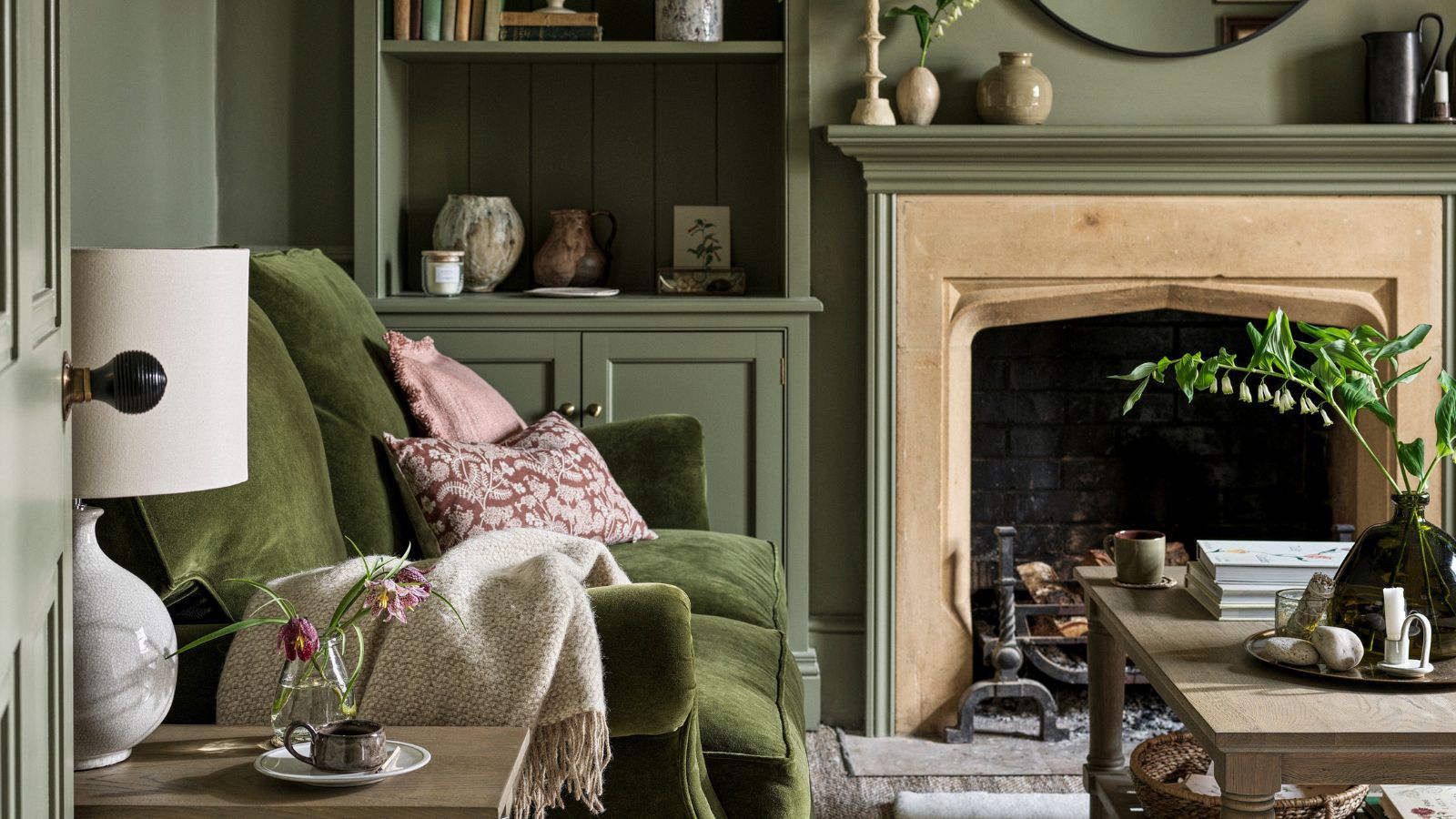


January is peak ‘get organized' season, but professional organizers approach the month very differently than most people. Instead of tackling everything at once or chasing Pinterest-perfect pantries, we focus on a few strategic moves that set up maintainable organizing systems for the entire year.
As a professional organizer, these are the seven practical tips for your most easily streamlined year yet.
These include why it’s important to use January as a time to build appropriate systems and not just tidy your key spaces, as well as organizing tips that will help you prevent mess reaccumulating by March, advice on tackling the ‘forgotten’ areas of your home with precision and ease, and more.
You may like 5 Things Professional Organizers Always Do Before January 1 to Reduce Clutter and Start the New Year Streamlined
 3 Easy Organizing Trends Our Home Editors Are Trying in 2026 to Stop Clutter Build-Up
 12 Days of Easy Post-Christmas Decluttering to Reset Your Home – Your Space Will Feel So Zen for January and Beyond
January is when professional organizers reset systems, not with pressure or perfection, but with intention. These are the moves we make every year, with practical ideas everyone can implement easily at home.
Make 2026 the year you run with January decluttering rules that really work.
1. We Start With a Life Scan, Not a Whole-House Purge

Before tackling key areas such as closets, ask yourself what has changed in your life in the last year, or upcoming 12 months?
(Image credit: Future / PAUL MASSEY)
Time: 20-30 minutes
Before decluttering a closet or other key space, we pause to assess what’s actually changing this year. It might be a new job, health goals, kids aging up, caregiving shifts, or lifestyle changes. To begin, write down 3-5 things that will affect how you live in your space.
These might include a change of job. For instance, you now need to work from home productively for a portion, or all of your week.
Organizing works best when it supports real life, not aspirational life. January is ideal for aligning your home with how your days will actually unfold. Avoid jumping straight into decluttering without clarity. That’s how you end up redoing the same spaces every year.
If you have been through important life changes or hit an important milestone, some of these dedicated Homes & Gardens' expert guides may help support you this year:
You may like
5 Things Professional Organizers Always Do Before January 1 to Reduce Clutter and Start the New Year Streamlined
12 Days of Easy Post-Christmas Decluttering to Reset Your Home – Your Space Will Feel So Zen for January and Beyond
The Easy 5-Day New Year Declutter Challenge You Can Start Right Now – And Be Clear of Chaos by Monday Evening
2. We Declutter in Short, Focused Bursts

Start with a small space, such as a nightstand to avoid overwhelm.
(Image credit: Future / SARAH KAYE REPRESENTATION LTD (DAVID LOVATTI))
Time: 30-45 minutes per session
Set a timer and work in one clearly defined micro-zone (one drawer, one shelf, one category). Stop when the timer ends, even if you’re ‘on a roll’.
This works because short sessions reduce decision fatigue and prevent burnout when decluttering. Consistency beats marathon clean-outs every time. In 2026, ditch the ‘all-or-nothing’ thinking: You don’t need to finish the room for progress to count.
Here are some helpful tools to keep on hand, along with methods such as the Scary Hour timed technique, handpicked by Homes & Gardens' editors. All prices were correct at the time of publication:
3. We Reset the Spaces That Carry the Most Mental Load
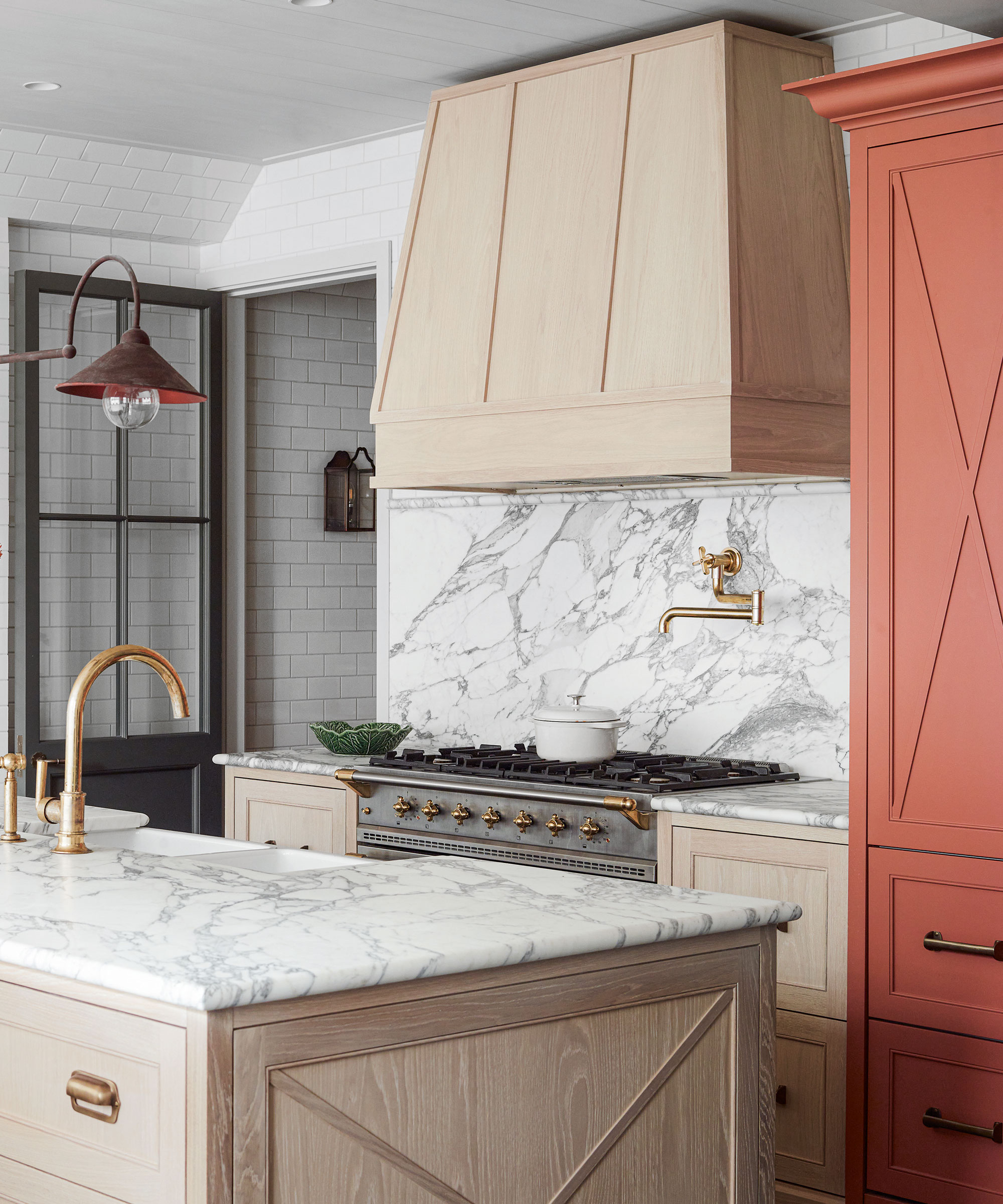
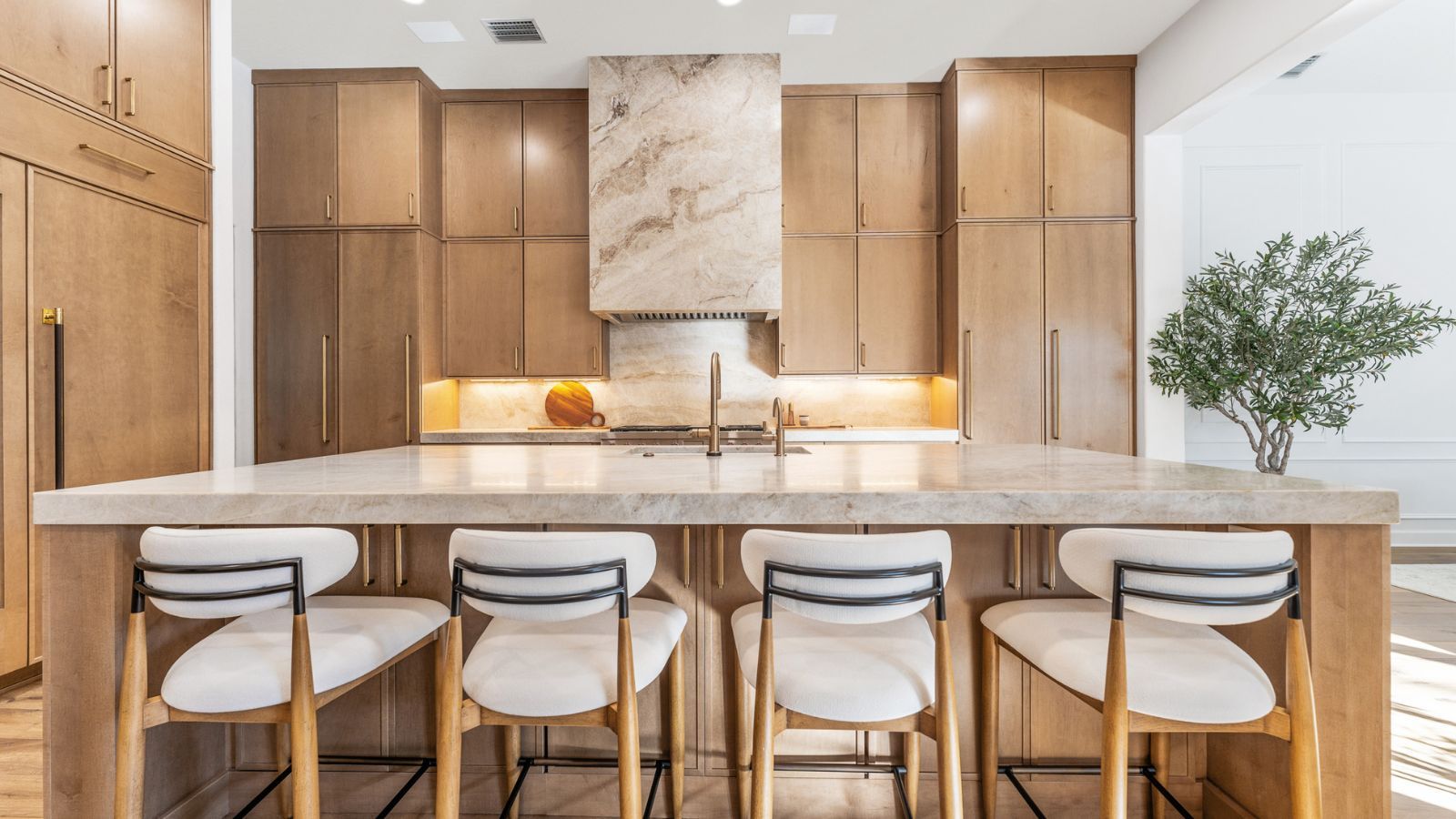
Kitchens are often the heart of the home and carry not just memories, but an abundance of items. Some we need, whilst others will be defunct and time to let go of.
(Image credit: Future PLC)
Time: 45-60 minutes per space
Working on the main high-impact areas of the home is a great way to move with intention through this January task. I recommend the following focus areas:
These are the spaces that silently drain energy every day. Resetting them early creates immediate relief. Using clear drawer dividers (available at Amazon in an affordable multipack), labeled paper trays, and small bins (not large catch-alls) to organize these spaces will serve you best.
However, don’t buy containers before editing down your belongings. Declutter first, then contain your remaining items. This will help you be more sustainable at home, whilst purchasing perfect organizing products that are a fit for your space and needs.
If you struggle to let go of items, the Solved team at Homes & Gardens has tested dozens of the best decluttering methods and has found the Didn’t Know method and 50% rule help easily strip away indecision and make streamlining so much faster.
4. We Let Go of ‘Last Year’s You’

Are you still using your home gym? Do you need a space for exercising in 2026? Consider who you are now, and let go of spaces and items that no longer serve you and your goals.
Time: 30 minutes per category
Target categories tied to identity shifts, such as clothes, hobby supplies, books, fitness gear, and ask yourself a simple question: Does this belong to who I am now, or who I used to be?
Letting go of items belonging to your ‘fantasy self’ (who you once were, or have long-dreamt of being) works, especially in January, which is an emotionally powerful time. Releasing outdated items creates space, both physically and psychologically, for what’s next.
However, watch out for keeping items out of guilt or sunk cost. Space is valuable, too. The 20/20 rule sums it up so well: If you can replace an item in less than 20 minutes, for $20 or less, it’s OK to let it go without guilt.
5. We Create Simple, Friction-Free Systems

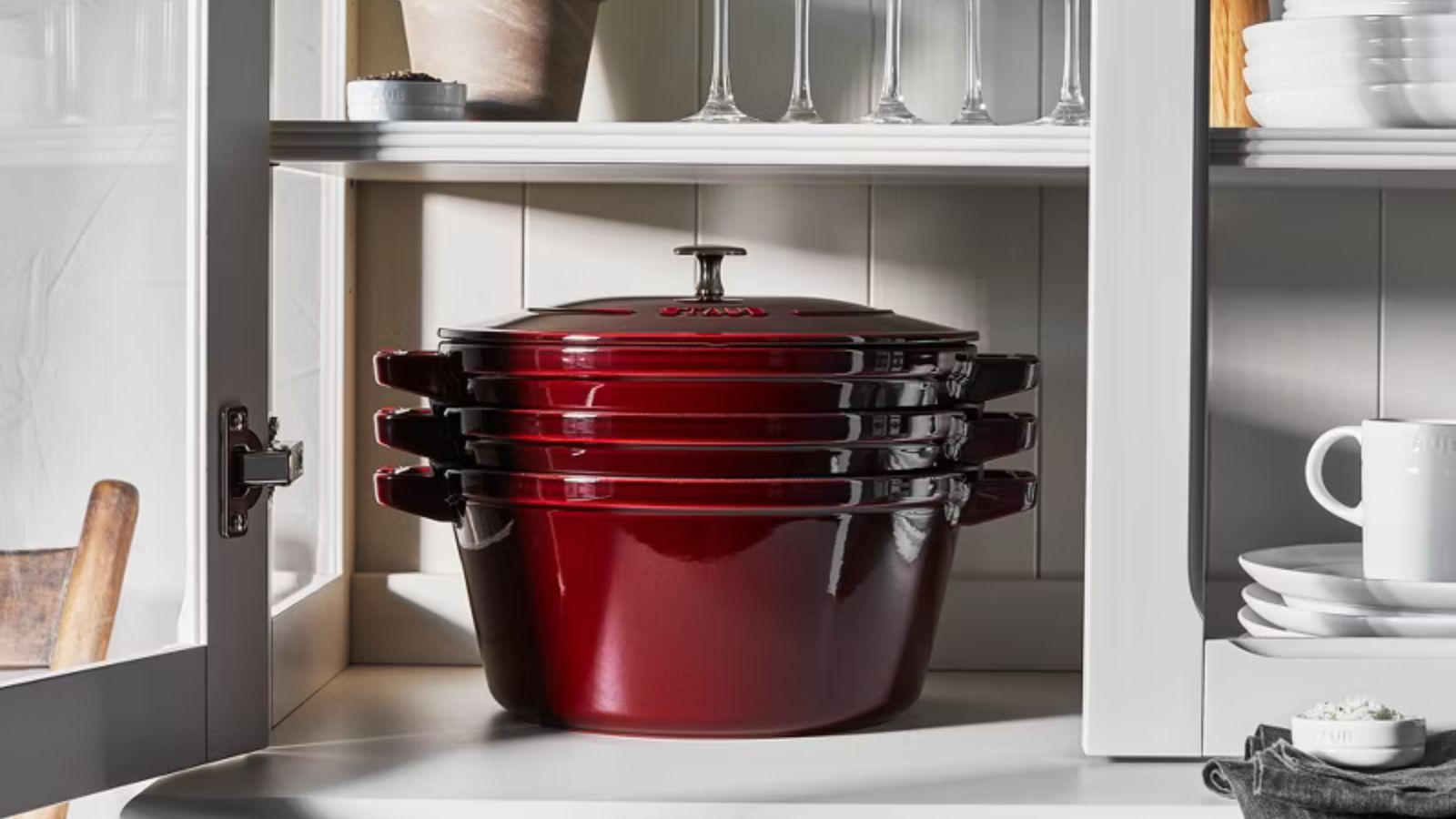
Having a set place for items you use regularly is an organizing system in itself.
(Image credit: Future / Future Publishing Ltd)
Time: 20-40 minutes
Design organizing systems that require the fewest steps possible. Use hooks for increased storage instead of hangers, open bins instead of stacked boxes, and keep labels at eye level for practicality.
The easier an organizing system is, the more likely it will be maintained, especially during busy weeks. Avoid over-engineering the system, however. If it takes more than two steps, it probably won’t stick. This applies not just to you, but others in your household.
An example of this might be that you’re the main cook in your house, but if your herbs and spices are organized and labeled for easy return (for instance, grouped in categories such as herbs, spices, mixes, and refills), when others cook and use your collection, they will know where to return each item to.
This will stop your organizing system from eroding over time and becoming defunct. Don’t forget to do a twice-yearly expiration sweep, as many household items, including herbs, spices, medicines, cleaning items, and skincare, will typically go out of date within several weeks once opened, or otherwise have use-by dates of months.
I recommend using hooks, trays, and shallow bins, along with an inkless, portable label maker, available at Walmart, or a piece of painters' tape, and a permanent marker.
6. We Schedule Maintenance, Not Just the Reset

A quick living room reset before you go to bed feels surprisingly good, and future you will be thankful that you can enjoy a tidy space first thing in the morning.
(Image credit: Future / Future Publishing Ltd)
Add short reset sessions to your calendar to work new habits into your routine that will last in 2026 and beyond:
Homes don’t stay organized on their own. Regular organizing maintenance prevents the ‘January reset to March chaos’ cycle.
Putting recurring reminders in your calendar and committing the time for this important organizing maintenance schedule is important because if you rely on motivation alone, you may fail. Clear systems and regular tending of those systems work better than willpower alone.
7. We Don’t Try to Organize Everything at Once
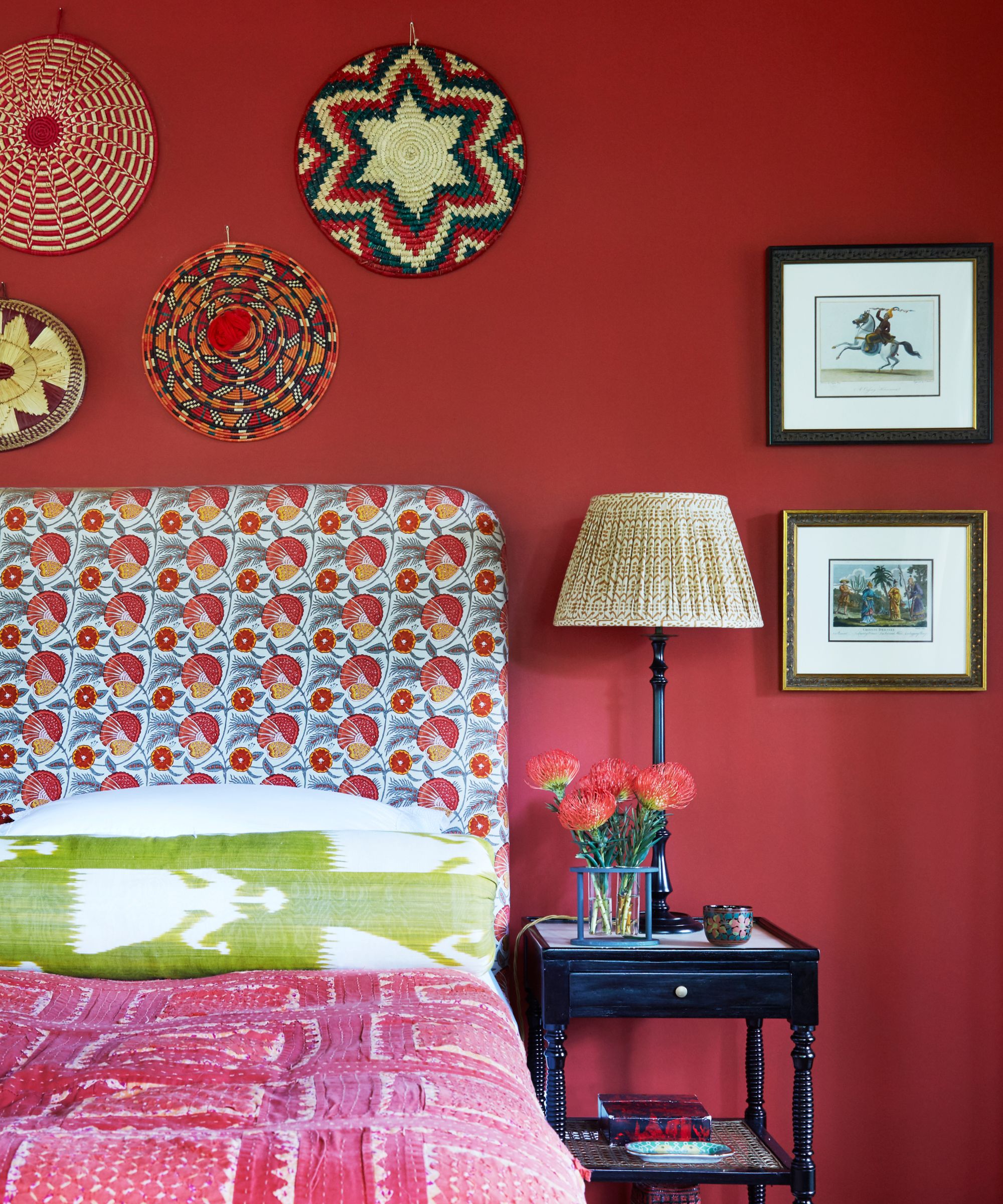
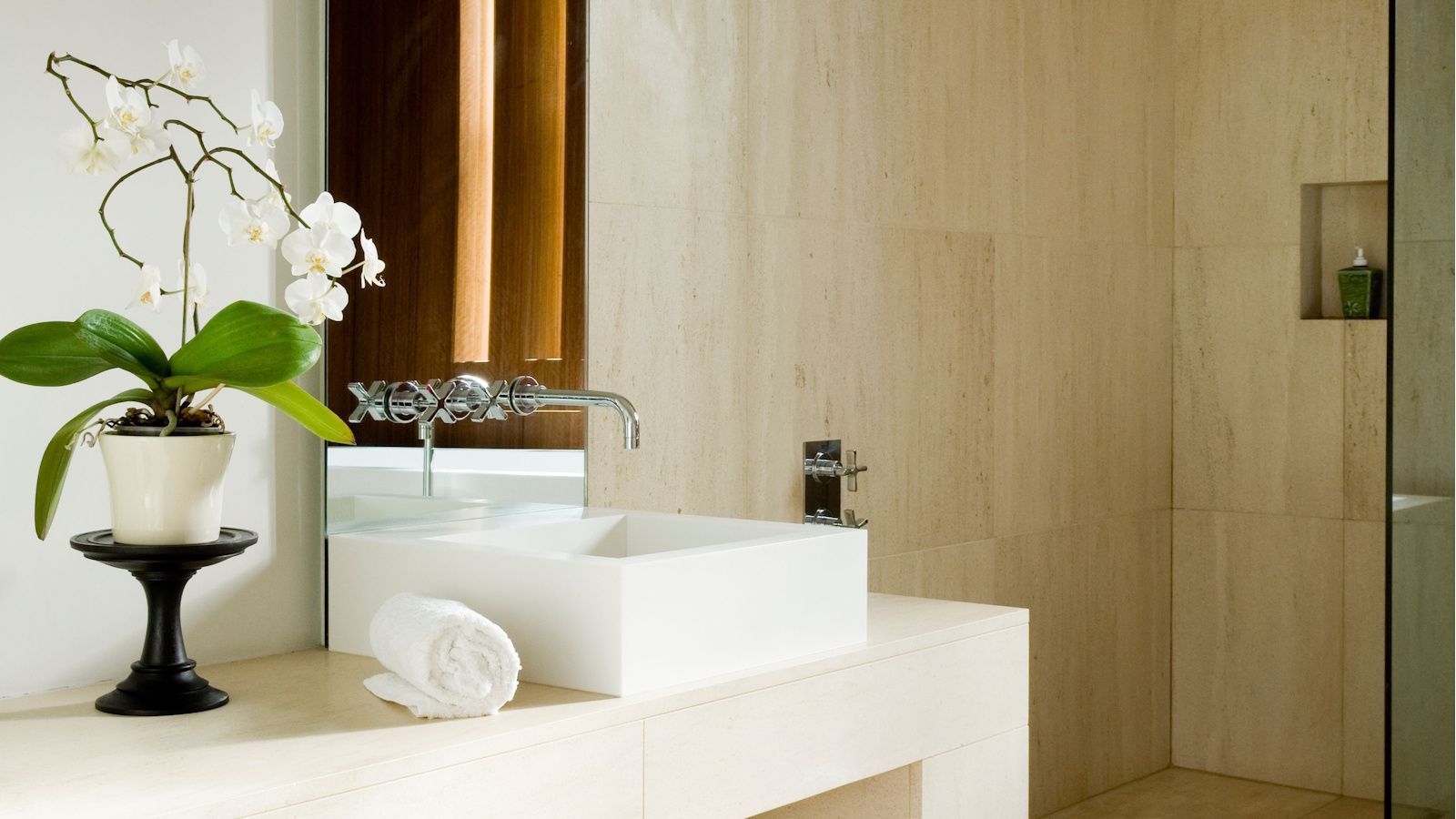
Our homes need to feel lived in and practical, whilst showcasing your personality and personal style. Tend to this, rather than over-committing to an arbitrary ideal set by social media.
(Image credit: Future / Future Publishing Ltd)
Time: Ongoing
To avoid feeling overwhelmed or losing motivation and focus, choose one priority area per week and let the rest wait.
It works because progress compounds. Experiencing visible wins at home will build your confidence and momentum. Dopamine building habits at home will help in the longer term to make the task more enjoyable, whilst knowing how to reset your nervous system and reduce stress whilst decluttering or organizing will remove mental barriers for the task in the longer term.
My top tip is to avoid comparing your home to what you see on social media. Real homes are lived in, and that’s okay.
The bottom line is that professional organizers don’t aim for perfection in January; we aim for alignment. When your home supports the life you’re actually living, everything feels lighter.
Next, explore the organizing trends Homes & Gardens editors are trying in 2026.
Comments (0)