Ben Marshall is a teaching fellow at Harvard University and Aditya Bhayana is a climate fellow at the Harvard Kennedy School.
The dust is settling after COP30, and two things have become clear. First, the outcomes of the world’s most important climate conference were disappointing. Secondly, those outcomes had less to do with the limits of climate science and more to do with geopolitics.
If they want to meaningfully push for better climate agreements, future COP presidencies will need to take a more proactive role in orchestrating climate negotiations and do so in a way that accounts for the new geopolitical reality. If they don’t, climate action will remain mostly talk.
The shortcomings in Belém
Brazil’s COP30 presidency placed three big bets on the 2025 climate summit: it would be “the COP of implementation;” the rainforest setting would unify actors; and wider participation would unlock new avenues for progress.
Instead, the summit – held in Belém (the “gateway to the Amazon”), in the most deforested country on earth – ended with no roadmap for fossil fuel phaseout, an agreement that only briefly mentions deforestation, and an institutional apparatus less trusted than it was at the start.
What’s on the climate calendar for 2026?
In part, these outcomes reflect rare missteps by COP President André Aranha Corrêa do Lago, who pushed contentious issues like unilateral trade measures (including the EU’s carbon border tax) into a separate negotiation track and dedicated only a small part of the agenda to political conversation.
But COP30 also suffered from broader issues that are straining multilateralism. Conflicts in Ukraine and the Middle East have made it harder to form cross-regional coalitions, record debt distress in developing countries has weakened trust in global institutions, and collaborative efforts to regulate global shipping emissions and reform international taxation have stalled.
How geopolitics show up at COP
Climate diplomacy is becoming less insulated from these geopolitical pressures. Observers noted this during COP28 (Dubai), and since then, it has become more pronounced, while COP hosts have done little in response.
Great-power rivalry is now shaping even technical negotiations, trust in the idea of COP is waning, and the lines between climate and trade are increasingly blurred. At COP30, we saw this firsthand in the form of three key shifts compared to past summits:
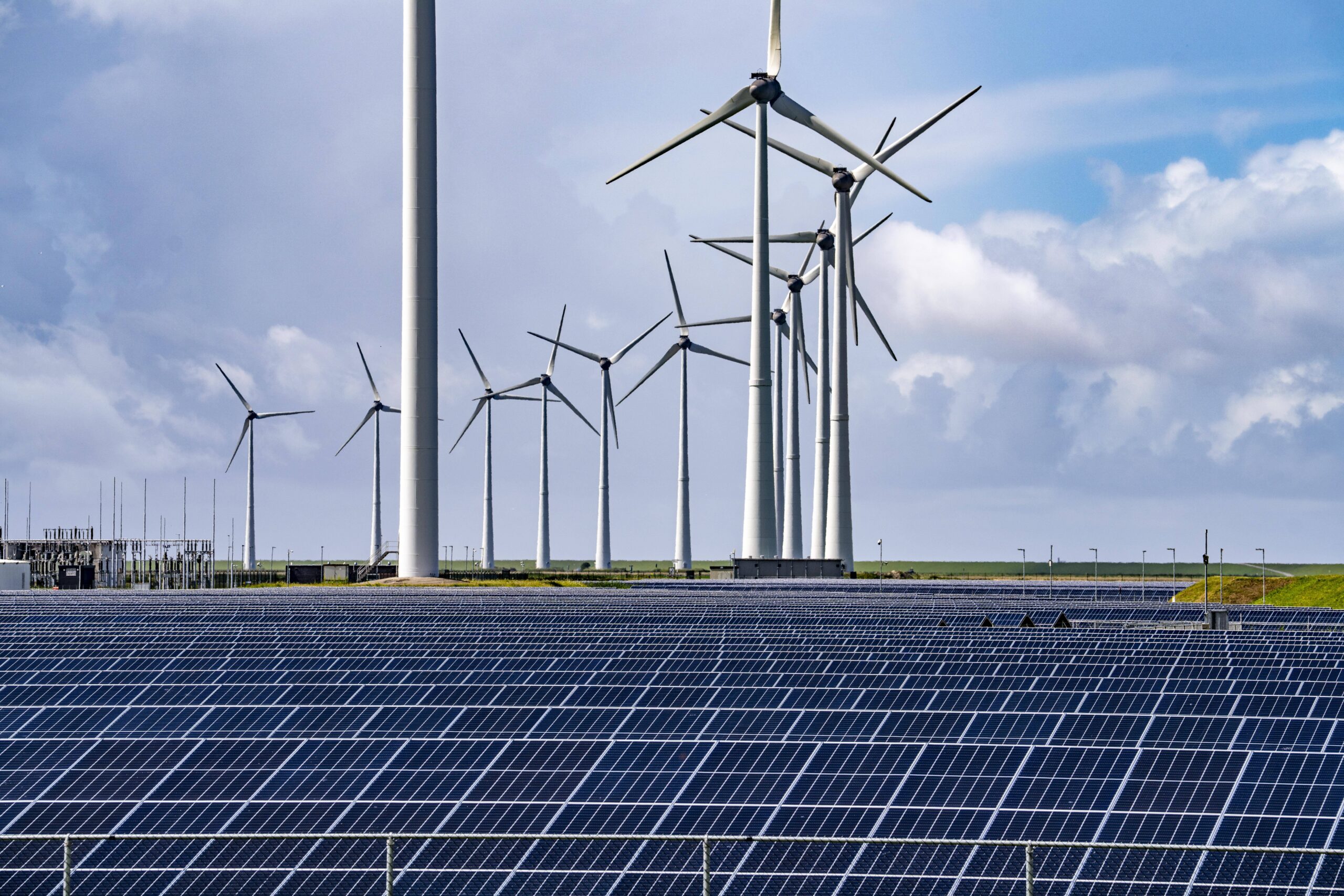
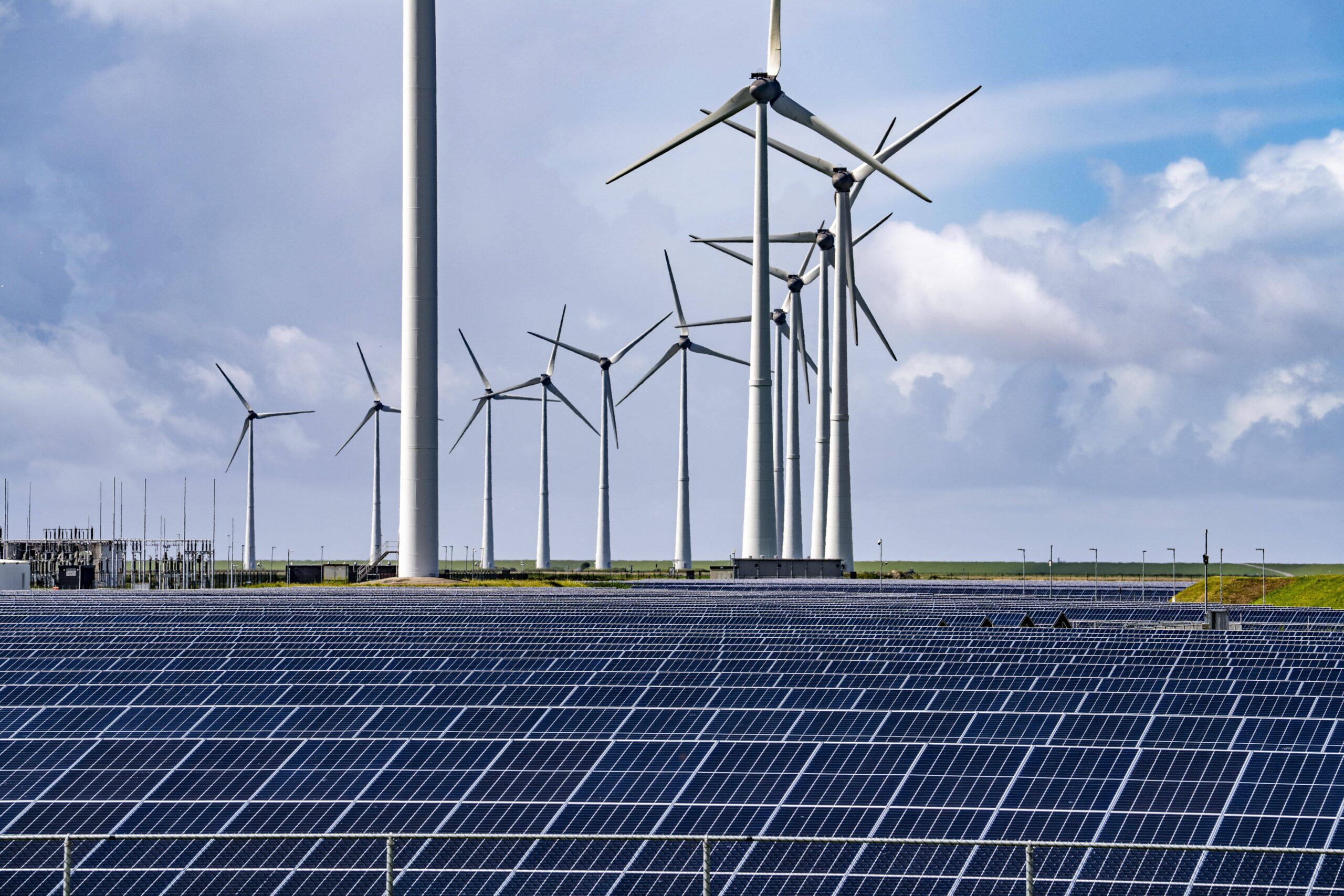
Feasibility is no longer the binding constraint. The scientific, technical, and policy cases for rapid decarbonisation have never been stronger – pathways to limit warming to 1.5°C have been well mapped by the UN’s Intergovernmental Panel on Climate Change; onshore wind and solar power are respectively 60% and ~80% cheaper than in 2015; and each year of inaction measurably raises the costs of mitigation.
But inside the negotiation rooms in Belém, we saw countries not only weighing climate commitments against fiscal, trade, and energy priorities, but also calibrating their positions to avoid antagonising key international partners (chiefly the United States) or empowering domestic political rivals in upcoming elections.
Narrative power has reached its limits. Narratives once turbocharged climate deals, from stories of shared purpose building momentum at COP21 (Paris) to discussions of climate justice pushing “loss and damage” to the fore at COP27 (Sharm-el-Sheikh). But while Brazil saw some of the most compelling storytelling of any COP – with President Lula framing the Amazon as a global commons to be protected, indigenous flotillas on the river, and even the Pope pushing for concrete action – it was not enough to overcome structural blockages to progress on fossil fuels, climate finance or forests.
Emerging powers have gone from adapting to institutions to reshaping them. China, India, Brazil, and the Gulf states are no longer negotiating at the edges of a Western-designed system, but actively redesigning climate governance to reflect their strategic interests. This showed up in a desire to compartmentalise discussions on trade and emissions, and in resistance to overly prescriptive language on mitigation. Red lines will likely continue to harden as developing countries flex – especially if the US stays away from the table.
Action options for future COP presidencies
COP presidencies historically acted as conveners, focusing on the agreement text – largely with the interests of major developed countries in mind. Convening power and elegant drafting are necessary but no longer sufficient. To be successful in the new reality, COP presidencies must act as orchestrators – managing political interdependencies, sequencing issues strategically, and brokering alignment across rival blocs.
Below are four options available to Türkiye and Australia for 2026, and Ethiopia for 2027, to help set up climate negotiations for greater success:
1. Invest in the pre-work to build momentum and trust. The landmark Paris Agreement was achieved in part because ministers were engaged early and often, and expectations were disciplined. COP presidencies should engage political stakeholders throughout the 12 (or ideally, 18) months leading up to the summit and keep a tighter lid on public ambitions. They should also push countries to make good on their commitments if they are to overcome a growing sense of mistrust. This year, more than 70 new national climate plans for 2035 were still missing by the end of COP, including top-10 emitters India, Iran, and Saudi Arabia.
2. Explicitly engage with influential blocs. The COP presidency can play a much more proactive role in brokering agreements. With China, that will mean focusing on implementation (e.g., clean manufacturing, grid-scale deployment and technology diffusion) rather than rehashing mitigation targets.
With other ‘Like-Minded Developing Countries’, including India, it will mean moving from abstract calls for “ambition” toward specific packages that link mitigation to predictable finance, technology access, and transition timelines – especially in hard-to-abate sectors. And with progressives like the Beyond Oil and Gas Alliance and AOSIS, it will mean translating “climate leadership” into real economic signals, with the COP presidency pushing existing multilateral institutions to provide access to transition finance in response to ambitious climate commitments.
3. Use creative approaches, but carefully. Brazil offered a response to brittle relationships in the form of mutirão (Portuguese for “collective effort”) sessions. These included closed-door meetings, informal consultations and sidebars, typically without technical staff present, where ministers and high-level delegates could have off-the-record conversations and negotiate political trade-offs that would not survive plenary scrutiny.
Mutirão showed some promise, but its overuse at COP30 degraded transparency and highlighted a paradox in climate diplomacy that the means of identifying compromise and building consensus among some parties also damages trust with others. Future COP presidencies should be careful not to over-use mutirão itself, but instead to design other approaches that structure informal bargaining and connect it to the formal process.
This could include: making political huddles mandatory; baking in more inclusiveness by inviting fixed or rotating representatives from large coalitions (as happens in the G77 and WTO “Green Room” meetings); withholding details on the deliberations themselves but publicly communicating what issues are in scope and any red lines (akin to the forward guidance issued by central banks); and requiring closed-door sessions to feed outcomes back into open negotiating tracks (which helped rapidly translate ministerial consultations into draft text at COP21 in Paris). The combined candour and accountability of these and other approaches could help COP presidencies broker alignment among blocs with fundamentally different political economies.
4. Acknowledge climate governance is entering a post-consensus era. The assumption that all 198 parties to the UNFCCC can converge on a single, high-ambition pathway is no longer credible. Progress will increasingly depend on coalitions of the willing and plurilateral arrangements that complement the multilateral system. COP presidencies should feel comfortable speaking hard truths to power and pushing for stronger, narrower agreements than broader, weaker ones.
The challenge of climate negotiations is no longer knowing what needs to be done or how to do it, but aligning the interests, power and institutions needed to make it possible.
Responding to these dynamics requires a different kind of COP presidency – one focused less on targets and text, and more on managing real-world political priorities. Until geopolitics becomes the starting point of climate action, rather than an inconvenient backdrop, real world implementation will remain a promise deferred.
The opinions expressed in this article the authors’ own and do not necessarily represent those of Harvard or any other institution.



Comments (0)