
Remember me

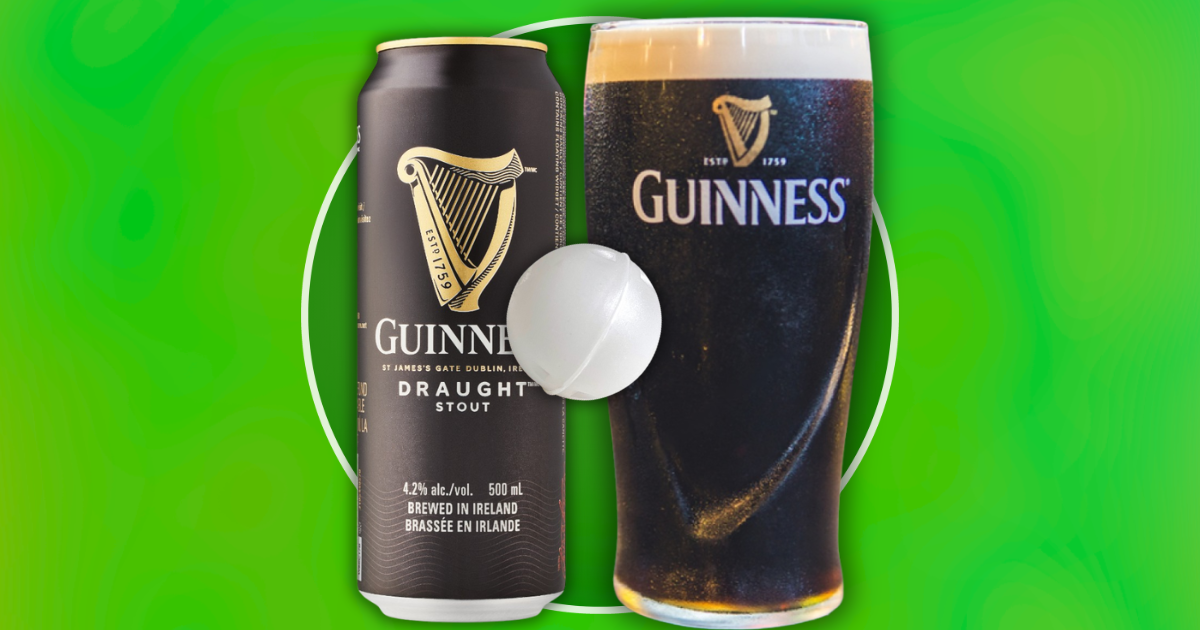



I bartended for nearly a decade, and I treated every Guinness pour as if it were a delicate flower.
Regardless of whether it was a slammed Saturday night or a quiet Monday lunch, Guinness drinkers deserved a creamy, deep, dark, and thick pint.
The two-part ritual took me about 115 seconds to pour (115 seconds? That was nickname in college).
I took pride in serving every single pint o’ Guinness with passion and precision.
My Guinness pouring mindset was sort of like what Yankees Hall of Fame Joe DiMaggio said about playing hard: “There is always some kid who may be seeing me for the first or last time, I owe him my best.”
But altered for me, behind the bar: “There is always some beer drinker that may be seeing me pour for the first or last time, I owe him my best.”
In my post-bartending years, I still enjoy drinking and pouring Guinness.
Except it’s rarely out of draft, now it’s out of cans. And I still marvel at how similar a can of Guinness tastes compared to draft.
And look, we live in a world where putting a camera inside a grain of sand or some shit is now commonplace.
So, I stand by this statement: The Guinness can widget is an engineering marvel.
Here’s how it all works:
If you’ve ever popped open a can of Guinness and wondered why it looks almost exactly like what you’re served at a bar, the answer isn’t magic.
It’s science.
Comments (0)