
Remember me










It looks like it's not all doom and gloom for U.S. passport holders going abroad in 2026, after all.
We get why you may be feeling a little down about carrying your navy-blue booklet in a world that's growing increasingly hostile to it, from the introduction of mandatory travel permits to the outright ban of entry for U.S. citizens, but there's a silver lining coming.
One of the most ancient countries in the world, which has historically imposed exceedingly strict entry requirements, is in fact swinging the door open to Americans and increasing their permitted length of stay from 30 to 90 days.

That's a whole 3 months in the country, and you probably wouldn't believe you if we told you the destination in question is located in, ahem, the Middle East.
But before you chicken out, don't worry! It's completely safe to visit:
Jordan Back On Traveler's Map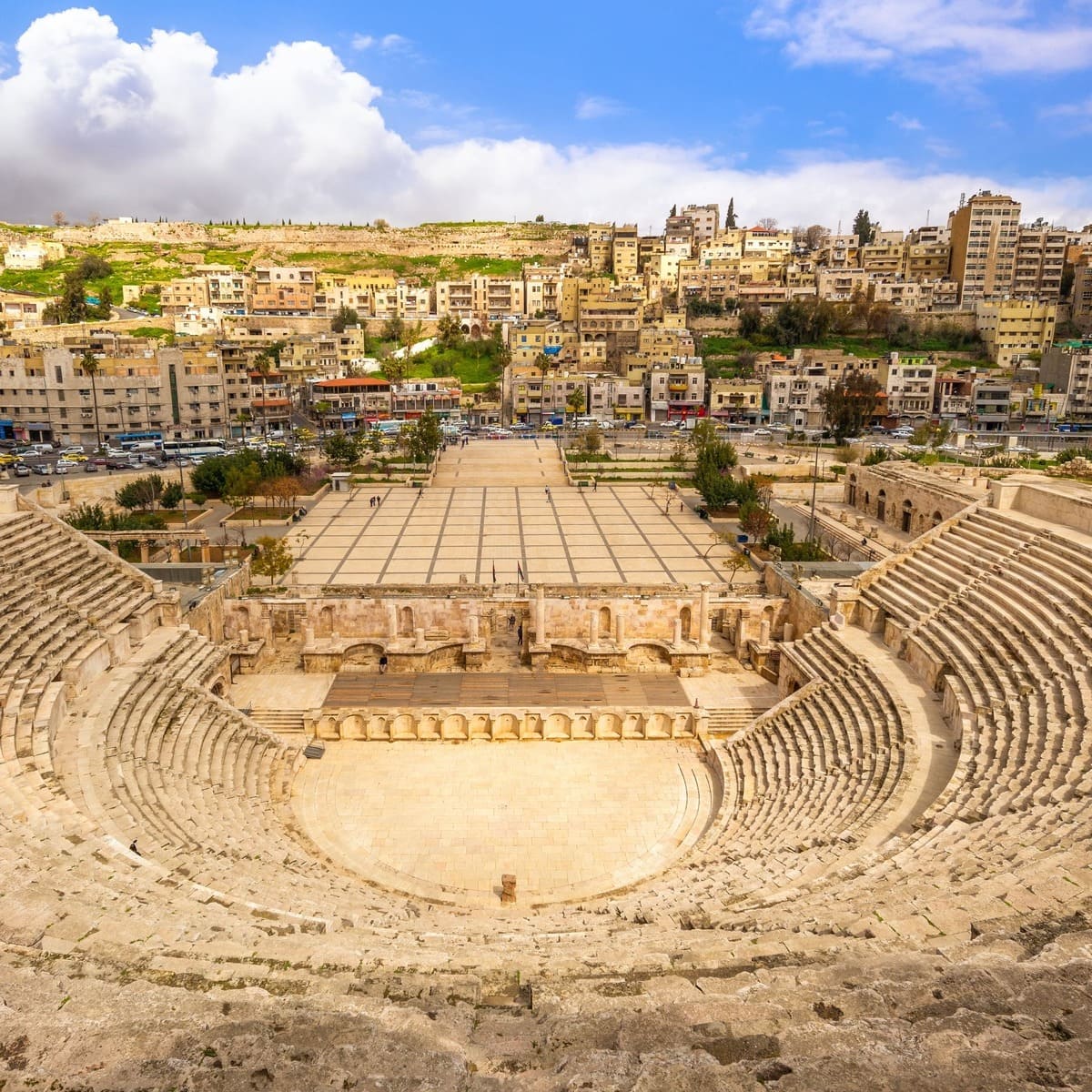
Jordan is one of the most sought-after destinations in the world right now, and for good reason:
With truces being signed between warring regional parties and the lifting of travel restrictions, it was bound to shoot back up to the top of travelers' bucket lists.
As reported by Gulf-based publication AGBI, the country has officially recovered from the 2024 slump, and it's ready to break tourism records again in 2026.
Though it was never directly impacted by the nearby Israel-Palestine issue, by virtue of sharing a border with the Palestinian territories, Jordan saw international travel demand drop to a dramatic low.
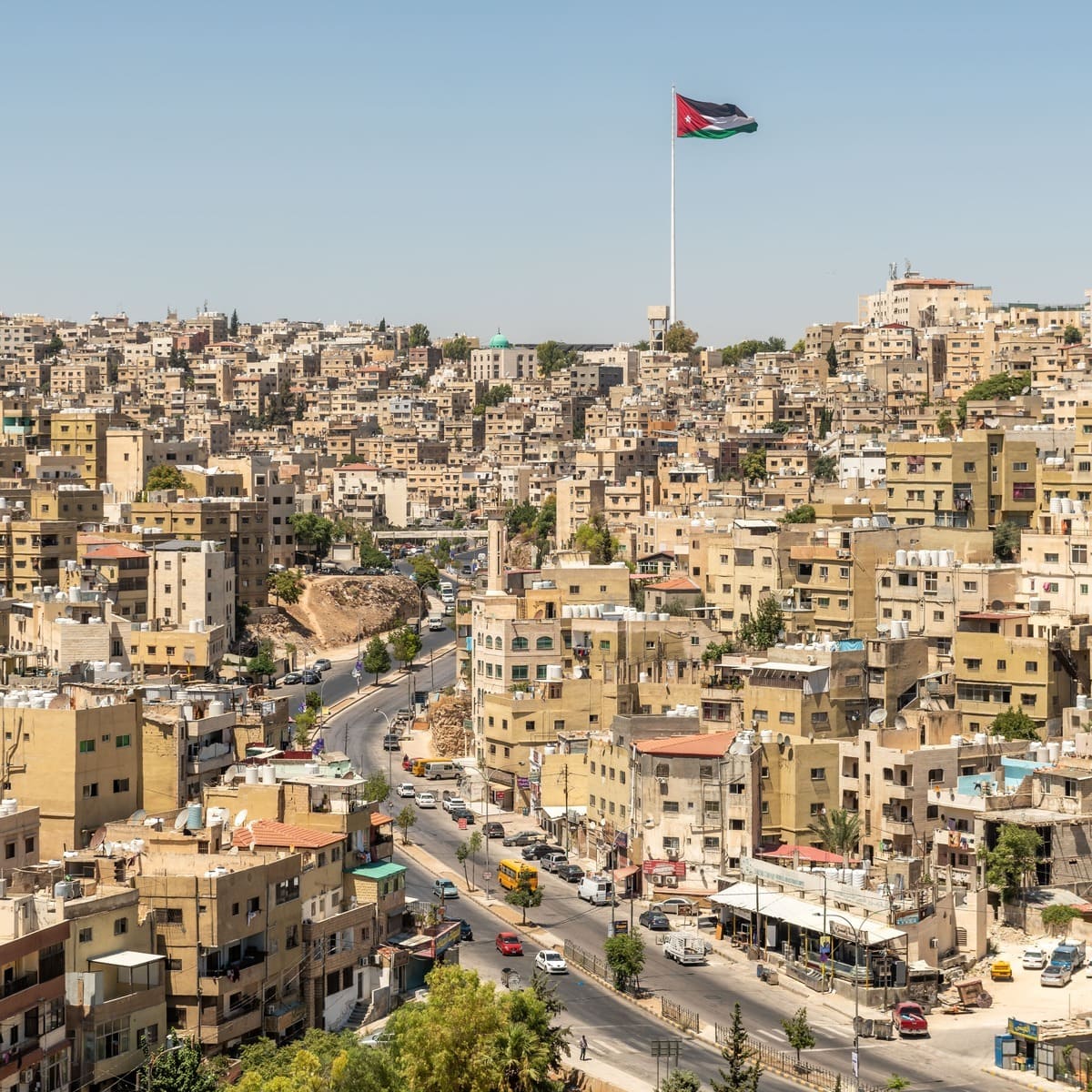
Despite its unmatched level of security, tourists tend to be overcautious when neighboring countries are at war, and we don't blame them. In 2025, however, numbers surged 15 percent year-on-year.
Westerners in particular are leading Jordan's tourism bounceback, with Europeans leading with a 40% increase. They're followed by Asians (33%), nationals of the American continent (19%), and fellow Arabs (4%).
But you know how the old saying goes: don't count your chickens before they hatch, and Jordan definitely knows what's at stake here.
Now that normalization is on the horizon for the region once more, they're keen on making themselves more appealing to visitors, and it's no surprise that it involves extending their authorized length of stay from only a month to three months:
 Americans Now Get 3 Months Instead Of Only 1
As confirmed by the Jordanian Ministry of Interior, foreign visitors who are not entering the Kingdom on a work visa will now automatically get a 3-month leave to enter, whether they opt for an e-Visa or a VoA (Visa on Arrival).
Both options are available for tourists traveling on U.S. passports.
Getting pre-approved to travel is by far the most convenient option, as it helps avoid long waiting lines upon arrival at Queen Alia International Airport (AMM), serving the national capital Amman.
Something most Americans don't know is that, instead of applying for the regular Jordanian e-Visa, they can instead opt for the Jordan Pass, a digital bundle that covers:
 The visa fee (if you're staying longer than 3 nights)
Entry to 40+ major attractions, including Petra, Wadi Rum, Jerash, and more
The visa fee (if you're staying longer than 3 nights)
Entry to 40+ major attractions, including Petra, Wadi Rum, Jerash, and more
The process is similar to that of getting the regular e-Visa, though the list of perks is way more impressive.
How To Get A Jordan Pass To Get The Visa Fee WavedAll you have to do is go to the official Jordan Pass website, give your passport and trip details, select the number of days you'll need it for (remember: the e-Visa requirement is only waved if the stay is superior to 3 nights), and pay for the pass with your credit or debit card.

The pass fee is 70 JOD, or around $99, while the regular e-Visa costs cheaper, starting from 40 JOD for a single-entry ($55), without all the added perks of the pass. The Visa on Arrival costs around the same ($55–$60), with double-entry visas priced at 60 JOD ($80–$85).
If purchasing a Jordan Pass, you should receive a QR code on the same email you used for registration within a day, or less.
Once arriving in Jordan, proceed straight to an immigration booth and show the QR code to the border agent. They will issue you a visa for free if the mininum stay requirement is met. They will be able to verify it by checking the duration of your Jordan Pass.

Previously, Jordan Pass holders, e-Visa holders, and VoA applicants would only be granted a 30-day stay. Now all visitors will be automatically granted a 90-day stay.
Less Bureaucracy, More TouristsIn the words of the Jordanian Interior Minister Mazen Al-Faraya, extending the permitted stay is more than just an administrative update, it is a ‘tool for economic recovery'.
By allowing visitors, in particular Americans, to remain longer in the country without additional paperwork, they hope this will significantly boost tourism, which remains a ‘key driver' of Jordan's economy.

90 days is the global standard for issuing entry visas to tourists. In Europe's Schengen Area, Americans get a 90-day stay out of any 180-day period. Across a majority of Latin American countries, the 3-month mark is equally enforced.
An increasing number of Asian states are now also changing their entry rules from 1-month stays to 2 or 3-month stays.
How Safe Is Jordan In 2026?Now let's address the elephant in the room: safety.

Yes, Jordan borders Israeli-occupied territories, and yes, it's not that far from Gaza, but have you looked at Europe recently? Some of the countries that border Ukraine, a country at war, are perfectly safe to visit, and much safer even than Western European states that are far from the battlefront.
Being a neighbor does not always mean meddling with conflict.
Jordan's tourist areas like Petra and Amman remain secure, with dedicated tourist police in-loco, low levels of crime due to strict law enforcement, and stability largely focused on welcoming more visitors.
The U.S. Department of State itself classes Jordan as a Level 2 country, meaning Americans are not discouraged from going. They acknowledge there are terrorism risks, but then again, it's the exact same for countries like France, Spain, Italy, and the United Kingdom.

Areas like Amman, Petra, Wadi Rum (if explored with a guide or authorized tour operator), and the Dead Sea resorts are safe for tourists, but if you're being extra cautious, you should avoid traveling to the following parts of Jordan:
Mansheyat al Ghayyath Ruwayshid The border with Syria and Iraq Designated Syrian refugee camps in Jordan due to Jordan's own restrictions on entry into these sites Rusayfah The Baqa'a neighborhood of Ayn BashaOn top of that, U.S. authorities advise Americans to ‘reconsider' travel to Ma'an and Zarqa City, due to an elevated risk of terrorism and crime.

The Travel Off Path Advantage: Your Travel Toolkit
Subscribe To Our Latest Posts
Enter your email address to subscribe to Travel Off Path's latest breaking travel news, straight to your inbox.
Comments (0)