Piton de la Fournaise: On Réunion Island, thousands flock to witness the eruption
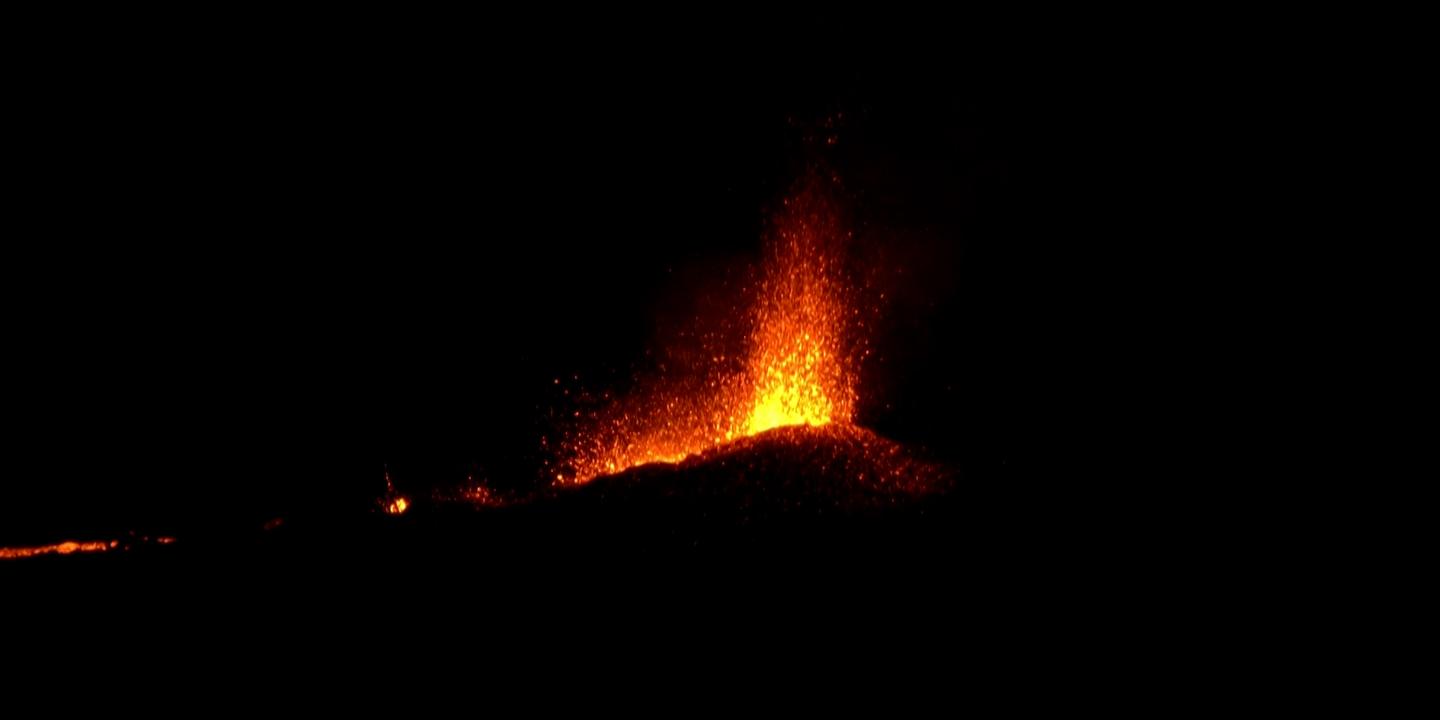
"A show like this is worth staying up all night for," said Alix Levrault, wearing a wool hat to face temperatures around 10ºC, a fleece zipped up to her neck and a hiking backpack filled with supplies. The 25-year-old transport engineer living in Saint-Denis de La Réunion decided to "head up to the volcano" with four friends as soon as she heard, on the evening of Sunday, January 18, that the Piton de la Fournaise had erupted. The eruption began at 7:42 pm local time, according to the prefecture of La Réunion, which activated the special ORSEC-Volcano emergency plan. The young woman described, in awe, the "impressive" bursts of lava, the flows with "magnificent" shades of orange standing out against the night and above all, the "red halo" under a "starry sky." "It's crazy, it gives you chills. It's indescribable," she said, adding that she "couldn't find enough superlatives." The eruption's favorable location, its intensity and the timing during the austral summer school holidays led to a steady flow of thousands of people and cars onto the volcano's massif throughout the night. According to the Piton de la Fournaise Volcanological Observatory (OVPF), three eruptive fissures opened on the northern flank of the volcano's cone," with a fourth "further upstream" from the others. They are located within the Enclos Fouqué, a vast, uninhabited horseshoe-shaped caldera surrounded by cliffs that protect the rest of the island. Access to the Enclos, a popular hiking route that leads to the volcano's summit, was closed for safety reasons. The Piton de la Fournaise erupting on Réunion Island, January 18, 2026. AFP You have 68.97% of this article left to read. The rest is for subscribers only.