
Remember me



AI is no longer a research experiment or a novelty in the IDE: it is part of the software delivery pipeline. Teams are learning that integrating AI into production is less about model performance and more about architecture, process, and accountability. In this article series, we examine what happens after the proof of concept and how AI changes the way we build, test, and operate systems.
Across the articles, a consistent message emerges: sustainable AI development depends on the same fundamentals that underpin good software engineering, clear abstractions, observability, version control, and iterative validation. The difference now is that part of the system learns while it runs, which raises the bar for context design, evaluation pipelines, and human accountability.
As teams mature, attention shifts from tools to architecture, from what a model can do to how the surrounding system ensures reliability, transparency, and control. You will see this in practice here, from resource-aware model building and human-in-the-loop data creation to the use of layered protocols, such as A2A with MCP, that enable agents to discover capabilities and collaborate without requiring rewrites.
Agentic architectures are no longer a thought experiment. Systems that coordinate, adapt, and negotiate are moving into production, and the safest path is incremental, with clear guardrails and shared workflows.
 The InfoQ "AI Assisted Development: Real World Patterns, Pitfalls, and Production Readiness" article series captures where we are today: engineers turning experimentation into engineering, and AI moving from curiosity to craft.
You can download the entire series collated in PDF format, in the associated eMag.
Series Contents1
 AI Trends Disrupting Software Teams
This article positions AI as the most significant shift in software since cloud computing, reshaping how teams build, operate, and collaborate. It highlights emerging trends from generative development to agentic systems, providing concrete guidance for developers, architects, and product managers as they adapt to this new era of AI-assisted software engineering.
2


The virtual panel titled shifts from observation to hands-on experience. It brings together engineers, architects, and technical leaders to explore how AI is changing the landscape of software development. Practitioners share their insights on what succeeds and what fails when AI is incorporated into daily workflows, emphasizing the significance of context, validation, and cultural adaptation in making AI a sustainable element of modern engineering practices.
3
 Why Most Machine Learning Projects Fail to Reach Production
This article takes a diagnostic approach, examining why many initiatives stall before delivery, from weak problem framing and brittle data practices to the gap between promising models and real products. It offers practical guidance on setting clear business goals, treating data as a product, building early evaluation and monitoring, and aligning teams to move from prototype to production with confidence.
4
 Building LLMs in Resource Constrained Environments
In this article, the focus shifts to exploring how limitations in infrastructure, data, and compute can drive innovation rather than hinder it. Drawing on real-world examples, it demonstrates how smaller, more efficient models, synthetic data generation, and disciplined engineering practices enable the creation of impactful AI systems even under severe resource constraints.
5


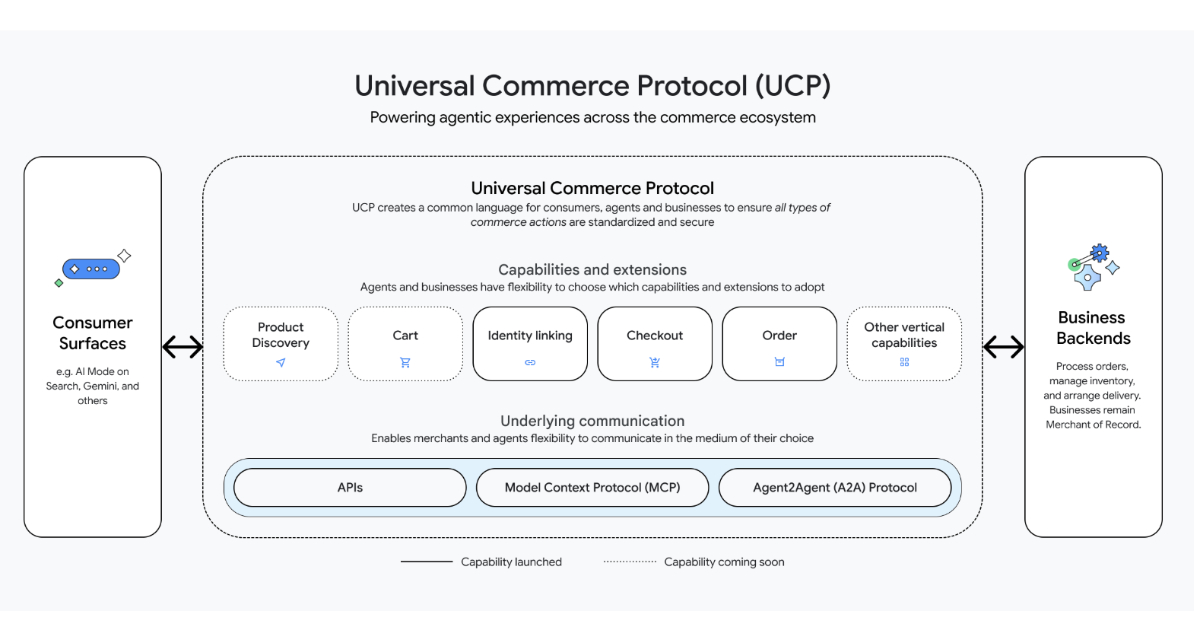
This article shows how combining Agent-to-Agent communication with the Model Context Protocol enables interoperable, extensible multi-agent systems for real MLOps workflows. It outlines an architecture that decouples orchestration from execution, allowing teams to add new capabilities through discovery rather than rewrites and evolve from static pipelines to coordinated, intelligent operations.
Comments (0)