
Remember me


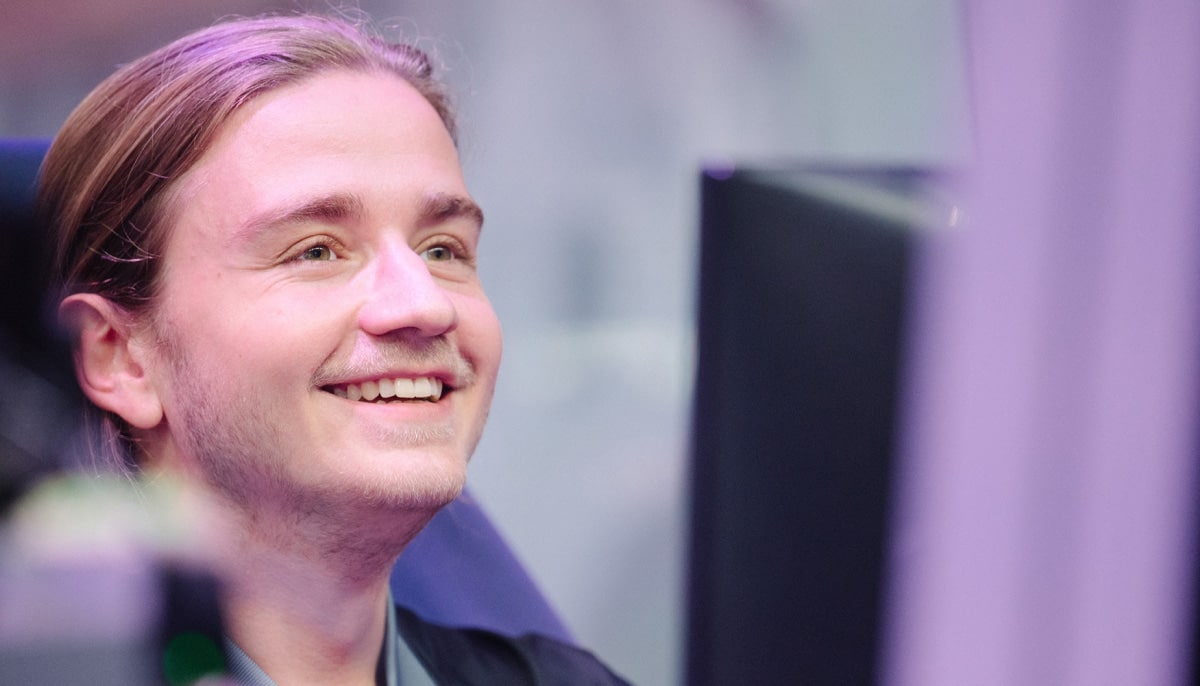 Image credit: Valve
TL;DR
Monkey Business featured young, hungry players in its first iteration in 2015, which later became the foundation for OG. Monkey Business brings a new identity to modern Dota 2 with its off-meta playstyle and return to the game’s creative roots. The former OG players blend well with the new blood and have already achieved success in recent tournament qualifiers.Dota 2’s esports history is full of notable, star-filled lineups that have dominated the pro scene over the past decade and a half. If you ask any long-term Dota 2 fan who the most recognizable Dota team is, most would say it’s the only back-to-back TI champions: OG. Even though the team is intrinsically tied to Dota 2’s history today, the OG legends of the past came from humble beginnings.
How Monkey Business laid the foundation for OG
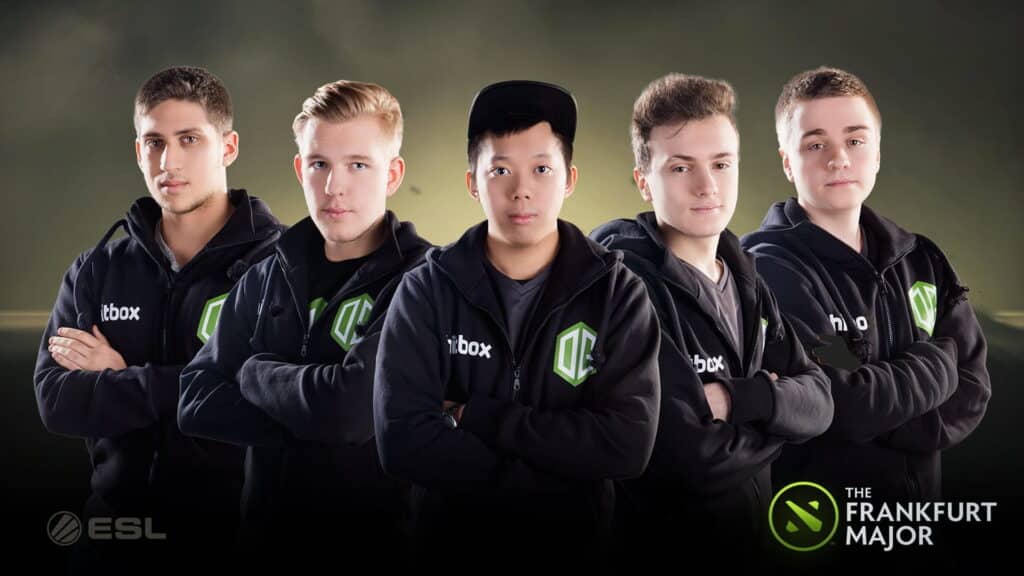 The original Monkey Business squad / Image credit: Valve/ESL
Monkey Business, formerly known as (monkey) Business, was a roster of young, hungry players who didn’t quite make it big in the professional Dota 2 scene (yet). Founded by N0tail and Fly, two former best friends who were dropped from the Team Secret lineup, (monkey) Business brought in three more promising names. MoonMeander, Cr1t-, and the now-legendary Miracle-, filled out their roster, bringing them attention from their early success in 2015 and 2016.
After a strong showing in the Frankfurt Majors in 2015, the Monkey Business roster rebranded itself as OG. The squad’s explosive, high-paced gameplay quickly made them fan-favourites among the crowd, even earning a direct invite to TI 2016. Monkey Business had finally made it to the big leagues, with every top Dota 2 team having the rebranded OG in its crosshairs.
The team finally peaked during TI 2018 and TI 2019, winning both events as the underdogs and the returning champions.
Why Monkey Business matters again in modern Dota 2
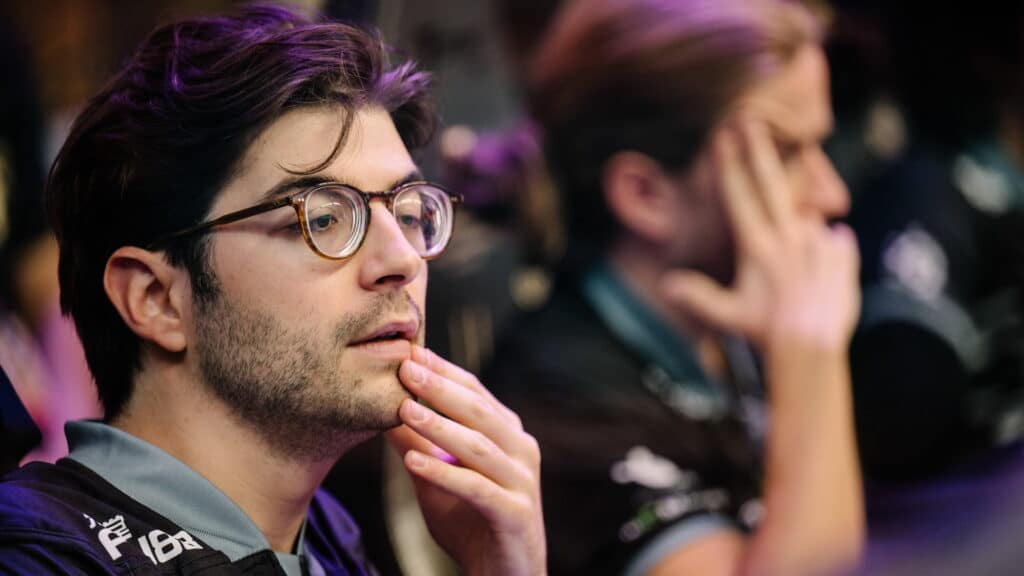 The team’s identity is well-founded, but can they keep up? / Image credit: Valve
Following OG’s peak, the team started to show cracks. Despite several roster changes, the team never quite reached the heights it once did. Towards the tail end of 2025, OG’s new SEA roster started to make waves, getting fans excited about the team once more. In the shadows of their main roster, three OG legends reunited, reviving Monkey Business once again. N0tail, Ceb, and Topson resurrected Monkey Business, adding two new players, Pablo and Shad, to the mix.
The reason this revival is important is the way modern Dota 2 plays: more optimized, more punishing, and with younger players who are already mechanically proficient (Satanic, Natsumi, gotthejuice). Monkey Business’ roster, while technically proficient, is a reminder of a time when experimentation and creativity were rewarded over strictly mechanical skill.
Monkey Business could bring creativity with unconventional picks, as Topson does, and an off-meta playstyle that would shake off the rigid, formulaic mannerisms of modern Dota.
Can legacy players still compete with the new generation?
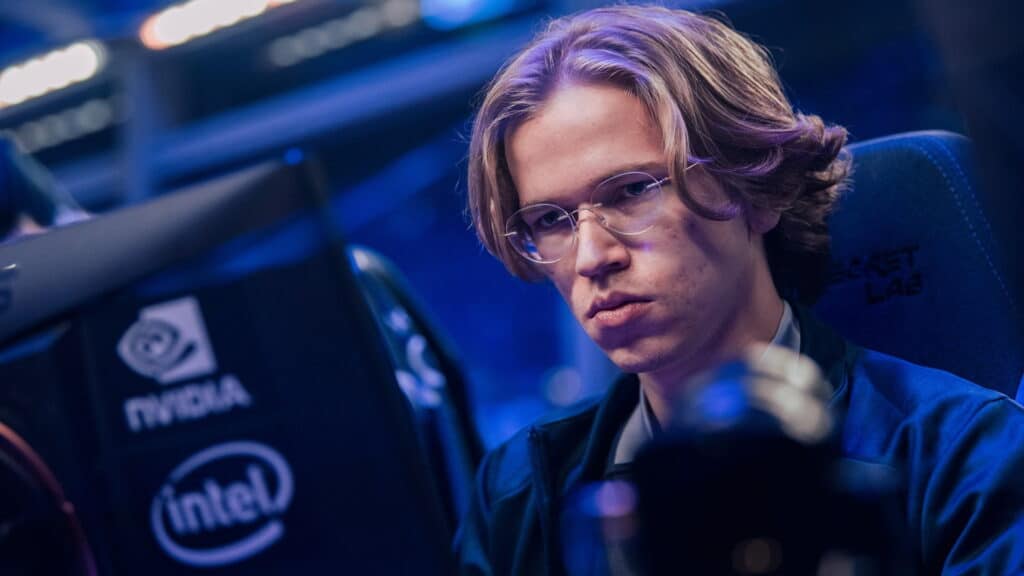 Topson still manages to outplay the younger crowd / Image credit: Valve
Now that the team has revived, the one question on everyone’s minds is: Can the former OG players hang with the new crowd? If players like Sumail and No[o]ne- are any indication, even Dota 2 veterans can evolve in the modern Dota 2 landscape, often reminding younger players why they were once at the top of the esports scene.
When it comes to the roster of Monkey Business, from a purely competitive standpoint, the team exists in a difficult middle ground between old and new. The OG legends like Topson, Ceb, and N0tail still surprise younger players with their years of experience navigating high-pressure situations. However, modern Dota 2 is a different animal, punishing smaller mistakes harder than ever, especially after Patch 7.40 increased the tempo even more.
While Monkey Business has been performing exceptionally well in the recent EPL qualifiers, only time will tell if the Dota 2 veterans will be able to sustain that momentum throughout 2026.
What Monkey Business could represent for Dota 2’s future
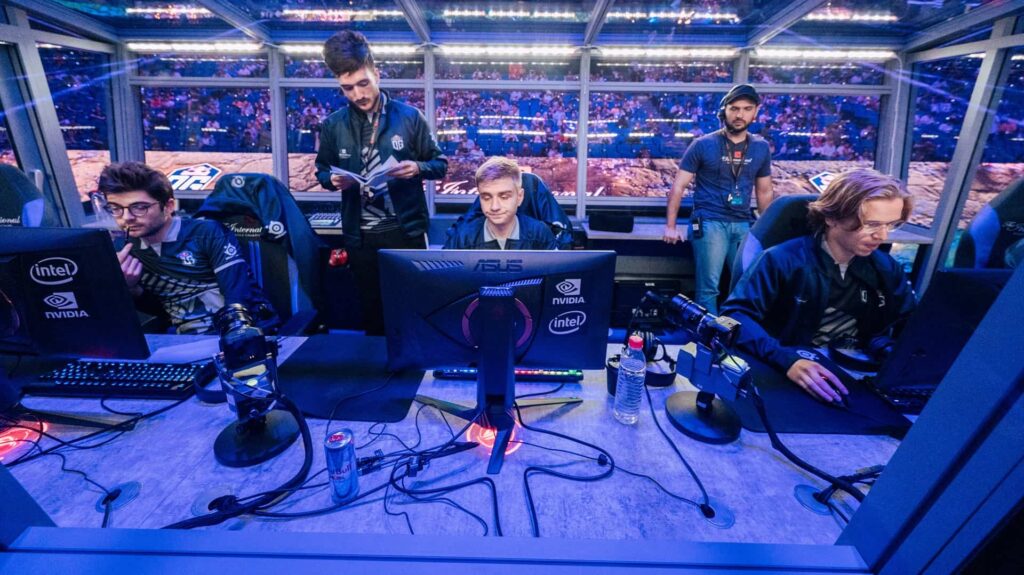 The veterans could change the face of Dota 2 / Image credit: Valve
The significance of Monkey Business in 2026 lies in what the team currently represents: an alternative future for Dota 2’s evolution. A future where Dota 2 veterans could keep up with a competitive young crowd in 2026 without committing to the full-time grind they were once used to. But is that enough to remain relevant and defeat the top dogs of today?
Each member of the Monkey Business roster brings a unique aspect to the team.
Ceb brings leadership to the squad. From coach to player, Ceb has seen it all, often grounding the team and helping them not crumble under pressure. N0tail is the heart of the group. Inculcating the values of trust, camaraderie, and teamwork, N0tail makes sure no voice goes unheard, empowering his squad. Topson is the creative genius. Unconventional and unpredictable, Topson is the wild card of the roster, with his off-meta picks and unique playstyle that often define the flow of the match. Pablo is adaptable, always willing to fill in the gaps of the squad. Whether the team needs an initiator, damage dealer, save, or healer, Pablo is there to take charge. Shad brings the hunger of competition. Surrounded by established OG veterans, Shad has more to prove to himself and adds much-needed urgency to the group. Shad is a reminder that Monkey Business is here to stay and is hungry to win.Monkey Business is here to remind the modern Dota 2 scene that, at the end of the day, Dota 2 is still just a game. And games have to be fun while still maintaining that competitive edge to stay on top. With such a colourful mix of old and new, the current iteration of Monkey Business could become one of the most exciting teams in modern Dota 2 esports history.
FAQs
Who are the key players on the Monkey Business roster in 2026?The key players in Monkey Business are N0tail, Ceb, Topson, Pablo, and Shad.
Why did the former OG players revive Monkey Business?The former OG players revived Monkey Business to play Dota 2 on their own terms and remind everyone that there is more than one way to belong in modern Dota 2.
What Dota 2 tournaments is Monkey Business participating in during 2026?As of right now, Monkey Business is competing in the EPL tournament. Future tournament participation will depend on their results going forwards.
How is Monkey Business different from the original 2015 team?The original Monkey Business consisted of older players, including Miracle-, Cr1t, Fly, and MoonMeander, most of whom have since found success with other teams.
Comments (0)