
Remember me


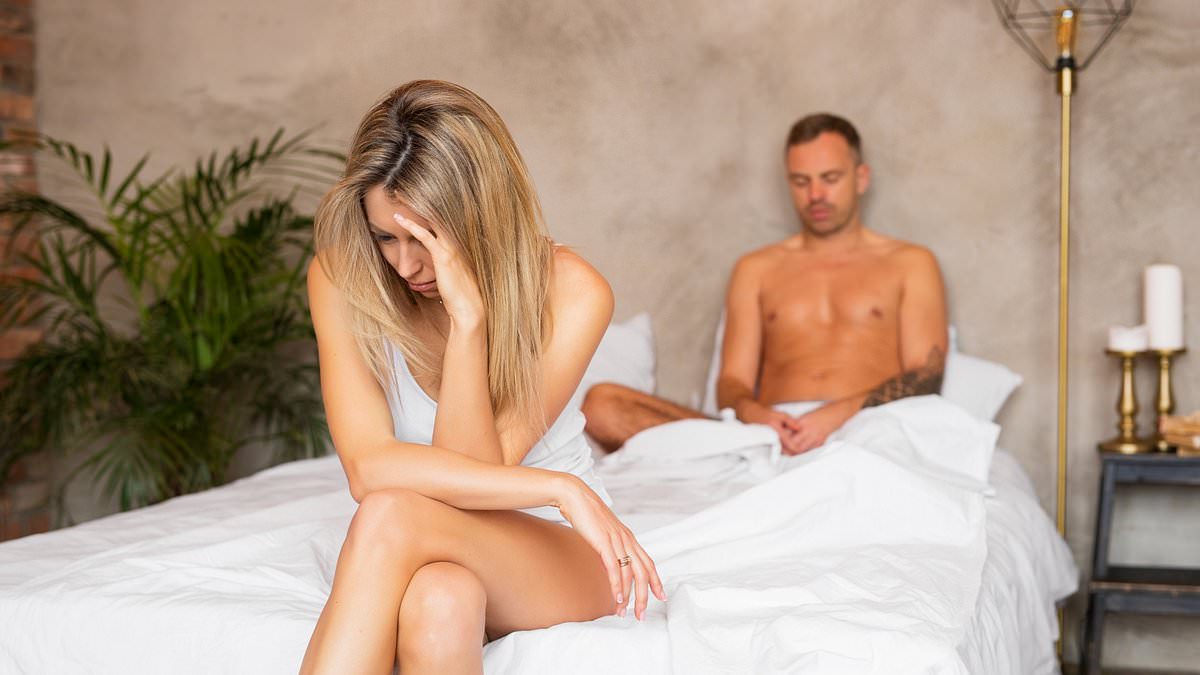




Scrolling through social media isn't just killing the art of conversation - it's stopping people from having sex.
New research has found that 60 per cent of Britons believe that they are 'too overweight for sex' due to insecurities from comparing themselves to people they have seen online.
A third of the 2,000 people surveyed by Numan about how social media images make them feel, said that their weight is actively damaging their sex life, with their current body shape undermining their confidence and satisfaction levels during intimacy.
Nearly a quarter (24 per cent) admitted to having little or no sexual body confidence, with women more than twice as likely to feel this way compared to men.
Persistent feelings of insecurity can erode sexual confidence, reduce pleasure, and can even totally derail loving relationships.
Women are also more likely to feel insecure during sex compared to men (62 per cent of women vs 58 per cent of men).
One of the most shocking findings was that 80 per cent of 18-34 year olds said that social media directly impacts how they feel about their bodies during sex.
These insecurities affected both men and women. The data revealed that 62 per cent of women felt this way compared to 57 per cent of men - which challenges the assumption that men are naturally more body confident during sexual experiences.

A new study found that 60 per cent of Britons feel they are 'too overweight' for sex
However, older people are not immune to feeling shamed by a scroll through of perfect bodies, with 38 per cent of respondents aged over 55 admitting to feeling insecure.
The survey echoes some of the findings of Numan's State of Obesity Report 2025 which found that more than half of those living with obesity say they wish they could 'drastically change' their body.
The report also found that many people feel 'anxious, self-critical or undeserving of a fulfilling social life' because of their body size - and it seems this is mirrored in the bedroom.
Major scientific studies have linked heavy social media use to emotional issues, including depression, poor attention spans, and .
In 2023, researchers at Iowa State University found that young adults who cut their social media use to just 30 minutes a day are less likely to have mental health problems.
Those who limited their use had significant improvements in levels of depression, anxiety and loneliness. They were also more likely to report positive feelings of excitement and pride.
And in 2021, researchers identified 46 different harmful effects of using social media, including self-dissatisfaction, jealousy and reduced self-esteem and confidence.
Zoe Griffiths, VP Behavioural Medicine expert at Numan, said: 'This research paints a stark picture of how social media and celebrity culture are shaping sexual confidence in the UK.

Social media use has been linked to low self-esteem
'When 60 per cent of adults say that online body ideals make them feel insecure during sex, and nearly a quarter report feeling this every time they're intimate, it's clear that these pressures are affecting real-life intimacy, not just self-esteem.'
'Social media sets impossible standards, showing highly curated, often unrealistic images of bodies that few can realistically match.
'This can damage sexual confidence, reduce libido, and even affect relationships.
'Far from being a vanity issue, this is a growing public health concern that highlights the urgent need to address the impact of digital culture on sexual wellbeing.'
NHS figures released last year revealed that nearly two-thirds of adults in England were overweight, and more than a quarter (26.5 per cent) — an estimated 14 million people — were obese.
Share or comment on this article: More than half of Britons believe they are 'too fat' to enjoy physical intimacy because of 'perfect' bodies they've seen on social media