This simple meat cooking mistake could lead to serious illness—what to know
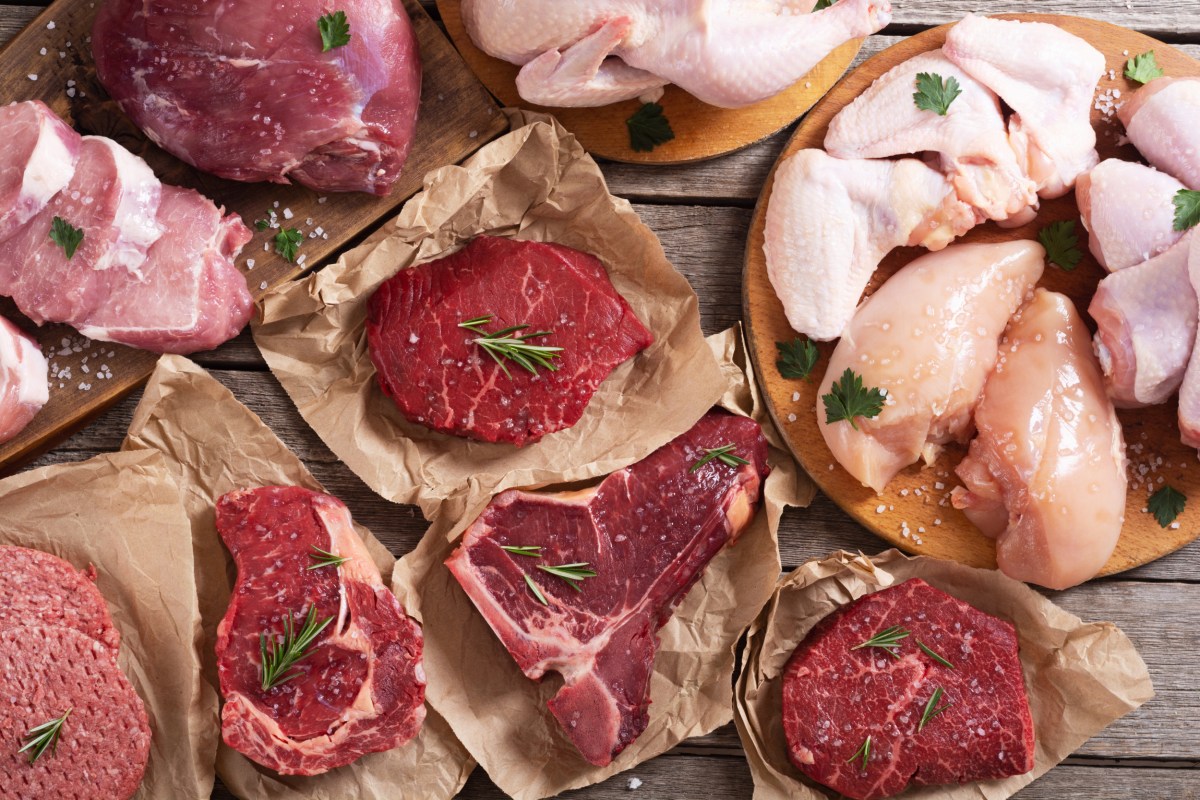
Cooking meat to the wrong temperature isn’t just a matter of taste—it’s a public health issue. A steak pulled from the grill at 130 degrees Fahrenheit might satisfy some diners’ preferences for medium-rare, but it could also put them at risk for foodborne illness, according to food safety experts.While many home cooks rely on visual cues or intuition, the U.S. Department of Agriculture (USDA) and food safety professionals warn that temperature, not color or texture, is the only reliable indicator of whether meat is safe to eat. And in a kitchen where thermometers are missing or misused, the consequences can be serious.At the heart of the problem is the “danger zone”—any temperature between 40 F and 140 F. This is where bacteria like Salmonella and E. coli can thrive, especially when food is left out for extended periods.As The Spruce Eats explains, “If food stays in this danger zone for too long, harmful bacteria can grow to levels that could cause illness.”Grill Marks Don’t Mean It’s DoneThe USDA recommends that whole cuts of beef, pork, lamb and veal be cooked to an internal temperature of at least 145 F followed by a three-minute rest. Ground meats should reach 160 F while poultry requires the highest safe temperature at 165 F. Yet many cooks—whether out of habit, aesthetics or preference—serve meat below these thresholds.According to Martha Stewart’s kitchen team, their internal temperature targets are generally lower than the USDA’s. For example, they suggest pulling beef and lamb at 125 to 130 F for medium-rare.But they also note the importance of understanding the risks: “Our preferred temperatures are different than those recommended by the U.S. Department of Agriculture; we generally call for cooking meat less well done than the USDA guidelines.”Thermometers Take the Guesswork OutAchieving safety and flavor starts with having the right tools. A meat thermometer can provide the precision needed to hit target temperatures without drying out the meat. Whether it's an instant-read model or a high-tech wireless device, the key is knowing how and where to use it.Insert the probe into the thickest part of the meat, avoiding bones or pan surfaces that can give false readings. For poultry, test both the thigh and breast. And when reheating leftovers, aim for 165 F to confirm the food is hot enough.Many different types of meat thermometers are available for purchase to fit every chef's needs. Here are a few popular types:Precision Can Prevent a Trip to the ERThe most common foodborne illnesses are often linked to undercooked meat and poor temperature control. While rare steaks and pink pork chops may be visually appealing, they can carry hidden risks. Using a thermometer and following temperature guidelines isn’t just for professionals—it’s a step every home cook should take.By respecting safe temperature standards, even adventurous cooks can strike a balance between flavor and food safety. It’s not just about avoiding overcooked meat—it’s about protecting your health and your guests.To read how Newsweek uses AI as a newsroom tool, click here.





Comments (0)