
Remember me
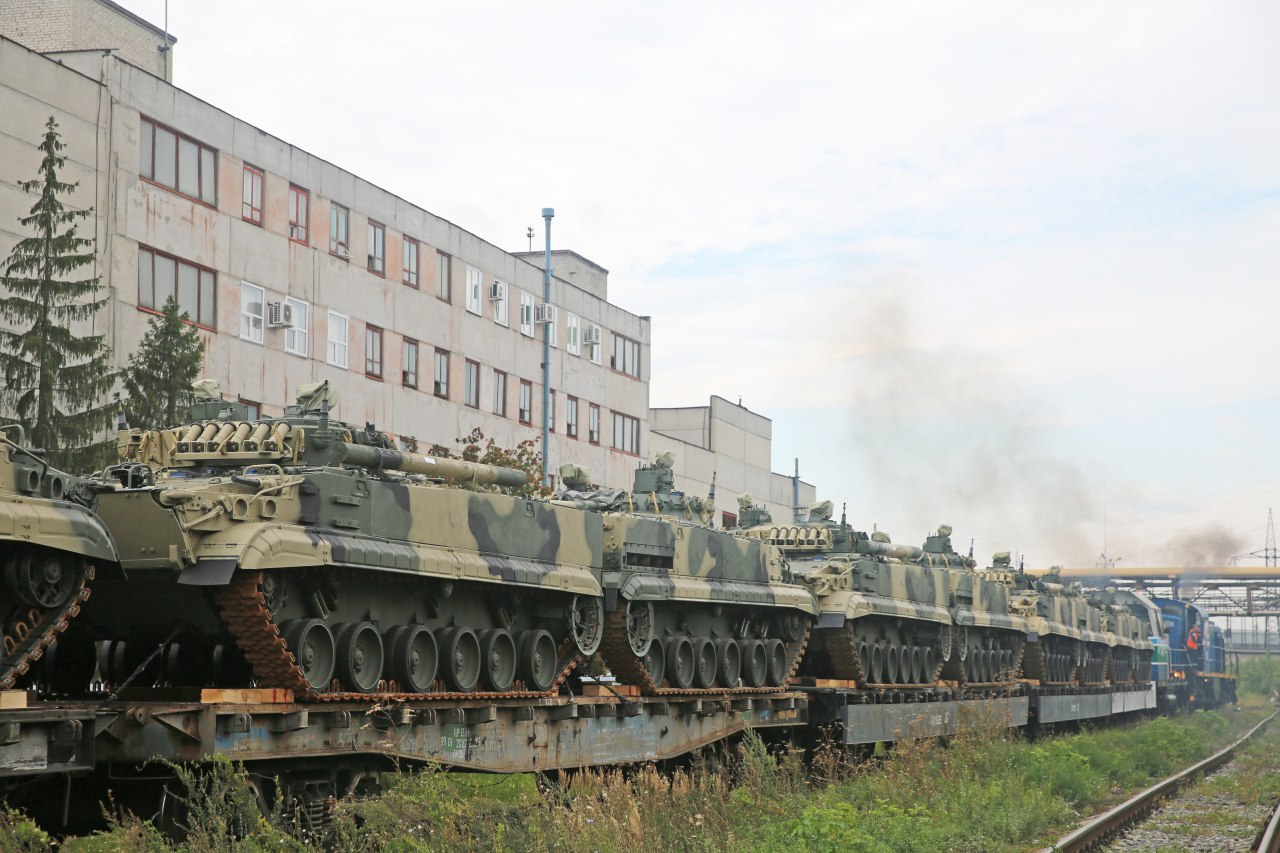

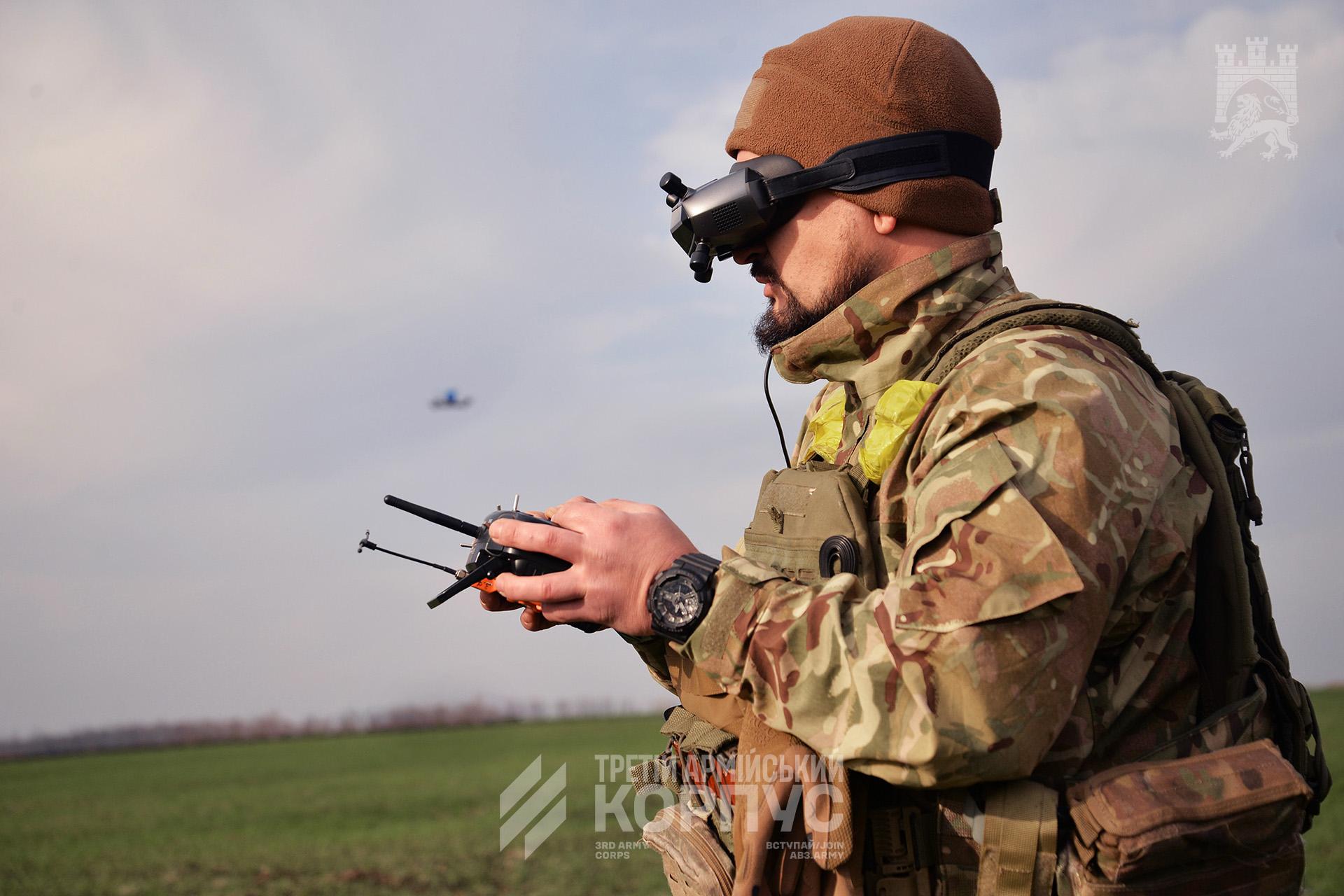
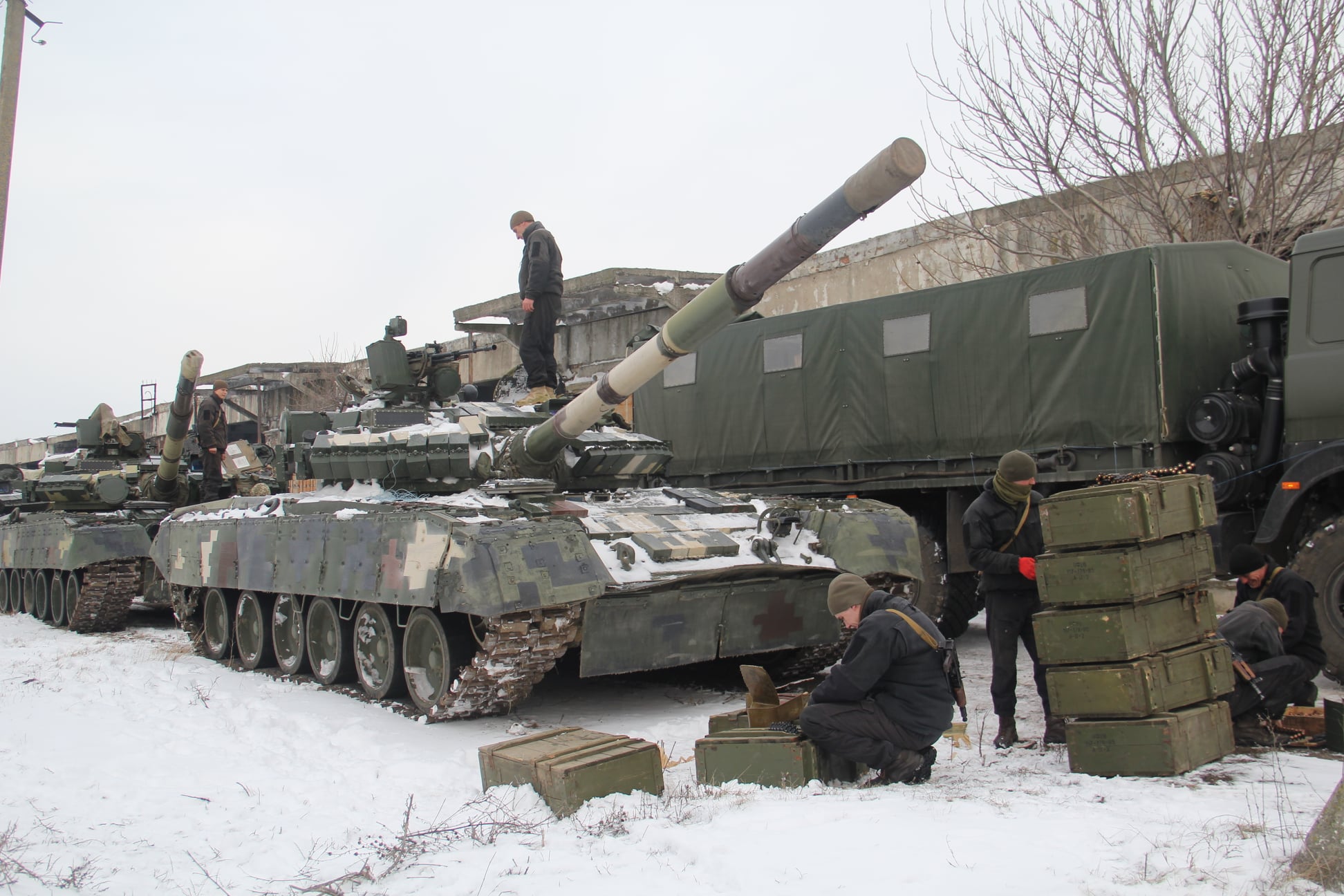
The Russian armed forces went to war in Ukraine in February 2022 with 13,842infantry fighting vehicles and armored personnel carriers. In 47 months of hard fighting, they've lost no fewer than 9,200 of these vehicles—the heavily armed IFVs and lightly armed APCs that haul infantry around the battlefield.
Yet Russia has managed to replace virtually every one. The Russian IFV and APC fleet "is now in most regards approximately comparable or slightly larger to what the Russian military had operational at the start of the 2022 invasion," Czech analyst Jakub Janovsky wrote.
The catch: Russia burned through a one-time strategic reserve to do it. Annual losses run around 2,400 vehicles; annual production is just 900. That 1,500-vehicle gap will start bleeding Russia's fleet the moment storage runs dry—which, according to Janovsky, has essentially already happened.
/thread/
There is an ongoing debate about the current size of the Russian AFV fleet, losses it has taken, new production level storage+reactivation, etc.
Here is my take on the topic
— Jakub Janovsky (@Rebel44CZ) January 22, 2026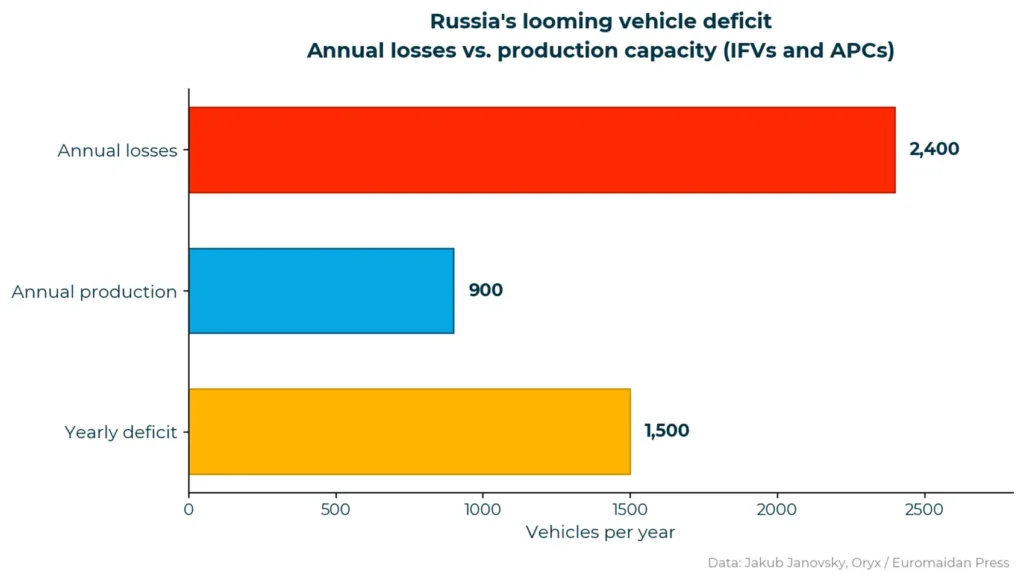 Russia faces a yearly deficit of 1,500 armored vehicles. Chart: Euromaidan Press
Armored but immobile
Russia faces a yearly deficit of 1,500 armored vehicles. Chart: Euromaidan Press
Armored but immobile
Having vehicles on paper doesn't mean Russia can use them. Ukrainian mines, drones, and artillery make mechanized advances practically suicidal. Last year, Russian regiments effectively parked their armor most of the time—and instead attacked on foot, motorcycles, or even horseback. Lighter, smaller modes of transport stand a better chance of evading overhead surveillance.
That's unlikely to change. "The Russian military is still very dangerous," Janovsky stressed, "but at the same time it appears to currently be unable to effectively use the armored vehicles it now still has."
No breakthroughs possibleArmored vehicles remain the best method of rapidly exploiting a breach in enemy defenses. That Russia can't deploy them for their intended purpose means that, barring a total collapse in Ukrainian defenses, the Kremlin has no way of breaking through. Instead, Russian forces can only creep forward with frequent small infantry attacks, advancing a kilometer at a time.
Infantry-first assaults are costly—415,000 Russians were killed or wounded last year, according to the Institute for the Study of War in Washington, D.C. But manpower remains cheap and abundant in Russia; armored vehicles aren't.
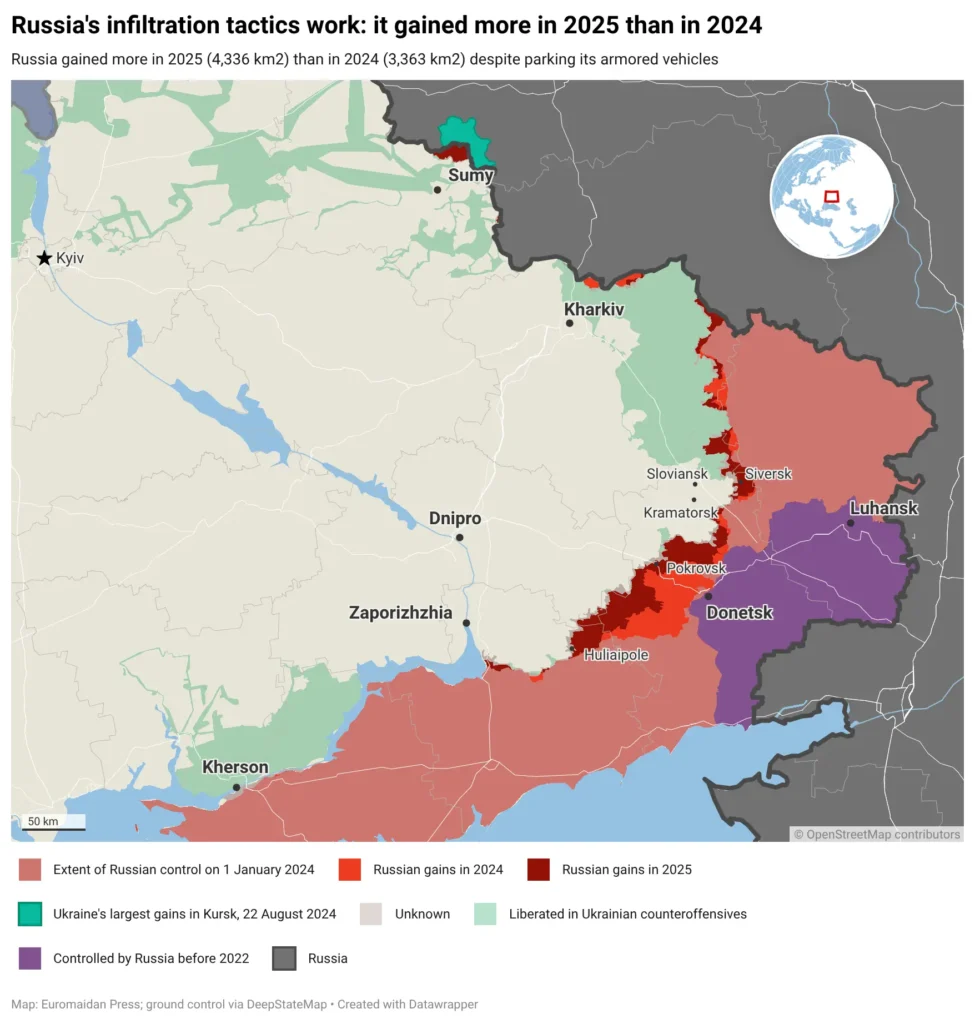 Russia's gains in 2024 and 2025 through infantry assaults. Ground control via deepstatemap
Where the 9,240 losses came from
Russia's gains in 2024 and 2025 through infantry assaults. Ground control via deepstatemap
Where the 9,240 losses came from
To replace those losses, the Kremlin pulled virtually every fixable Cold War vehicle out of long-term storage. Russian industry builds new BMP-3 tracked IFVs and BTR-82 wheeled APCs at a rate of around 400 and 500 per year, respectively—but that's only ~900 vehicles annually against ~2,400 in losses.
Janovsky's breakdown of permanent IFV and APC losses since February 2022:
Vehicle TypePermanent LossesNotesBMP-1/23,6001960s-70s tracked IFVsMT-LB2,1501970s tracked APCsBTR-821,900Modern wheeled APCsBMP-3890Modern tracked IFVsBMD700Airborne IFVsTotal~9,240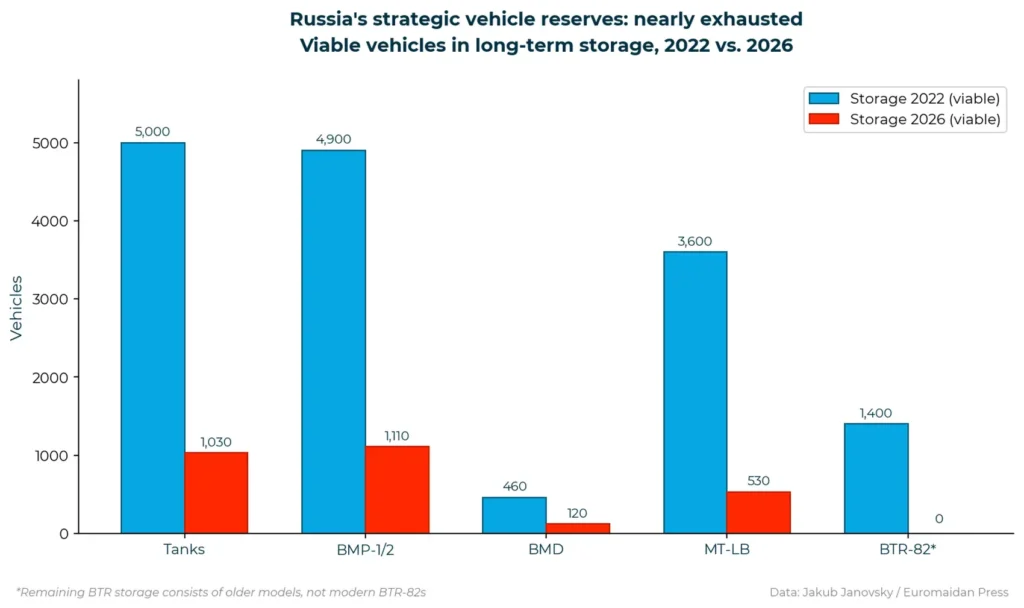 Russian vehicle reserves are nearly exhausted. Chart: Euromaidan Press
New production covered just a few thousand vehicles. The Kremlin filled the remaining shortfall of ~6,000 with 50-year-old BMP-1 IFVs and MT-LB APCs dragged from storage yards. That effort "has come at the cost of almost completely depleting the relevant equipment in storage," Janovsky explained.
Thousands of old vehicles still sit in open storage, but they're probably too badly rusted to be fixable at reasonable cost. In replacing lost IFVs and APCs, Russia has exhausted a single-use resource. There's now nothing left in deep reserve.
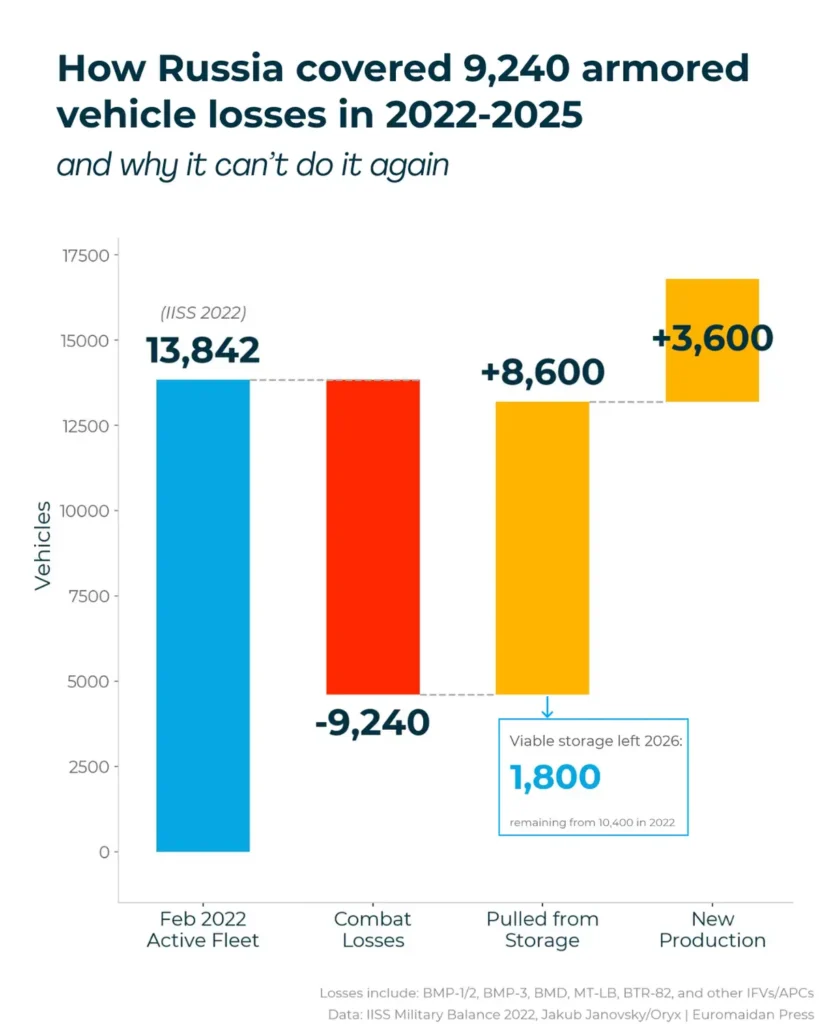 Russia's replacements for armored vehicle losses. Chart: Euromaidan Press
Bad news for Moscow's future wars
Russia's replacements for armored vehicle losses. Chart: Euromaidan Press
Bad news for Moscow's future wars
This is cold comfort to Ukrainian troops who must still contend with the possibility, however unlikely, that Russians will organize mass vehicular assaults. But for European armies, it's good news.
"Replacements for future losses will need to mostly be covered by the newly produced vehicles," Janovsky noted, "and that turns into really bad prospects for Russia to wage offensive war(s) at this (let alone larger) scale in the future."
Explore further
Russia has more armored vehicles now than in 2022. The math is ugly./thread/
There is an ongoing debate about the current size of the Russian AFV fleet, losses it has taken, new production level storage+reactivation, etc.
Here is my take on the topic
— Jakub Janovsky (@Rebel44CZ) January 22, 2026
Comments (0)